Tensions in the Strait of Hormuz have surged in the past 24 hours, placing an already fragile ceasefire between the United States and Iran under intense scrutiny. While the agreement, reached in early April, has so far prevented full-scale conflict, recent strikes, counterstrikes and sharp rhetoric are actively testing and redefining what the truce allows in practice.
In the last 24 hours, both Tehran and Washington have accused each other of escalating military activity in the Strait.
24-hour escalation full of strikes and disputed claims
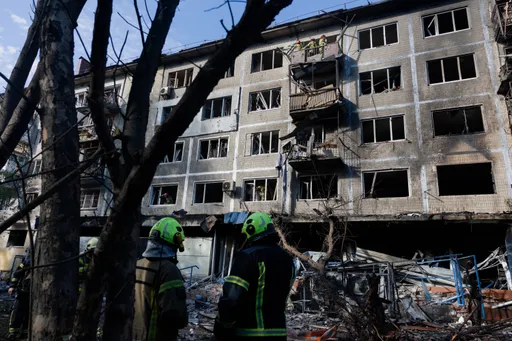
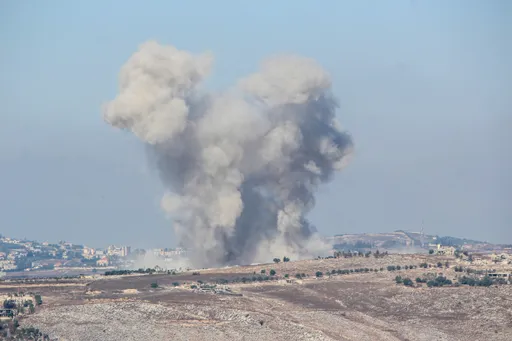
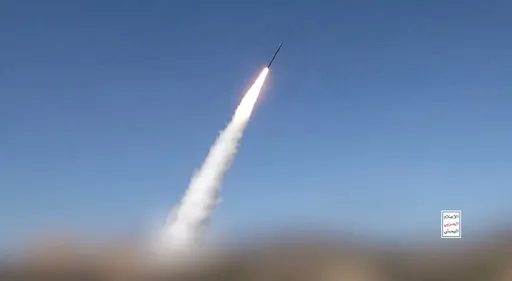
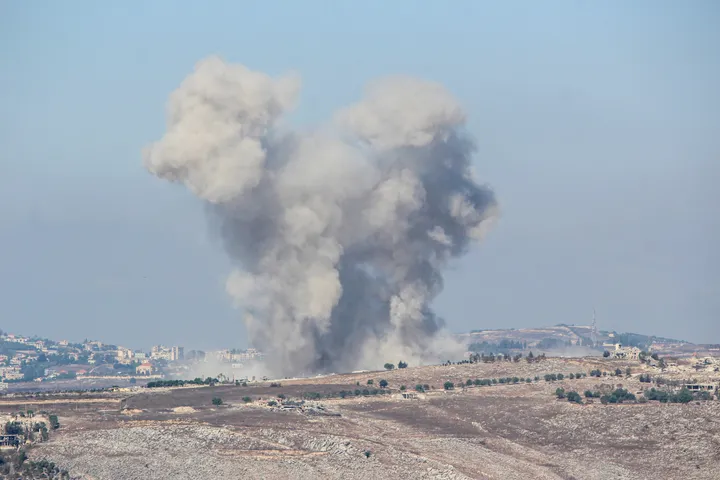
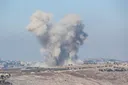
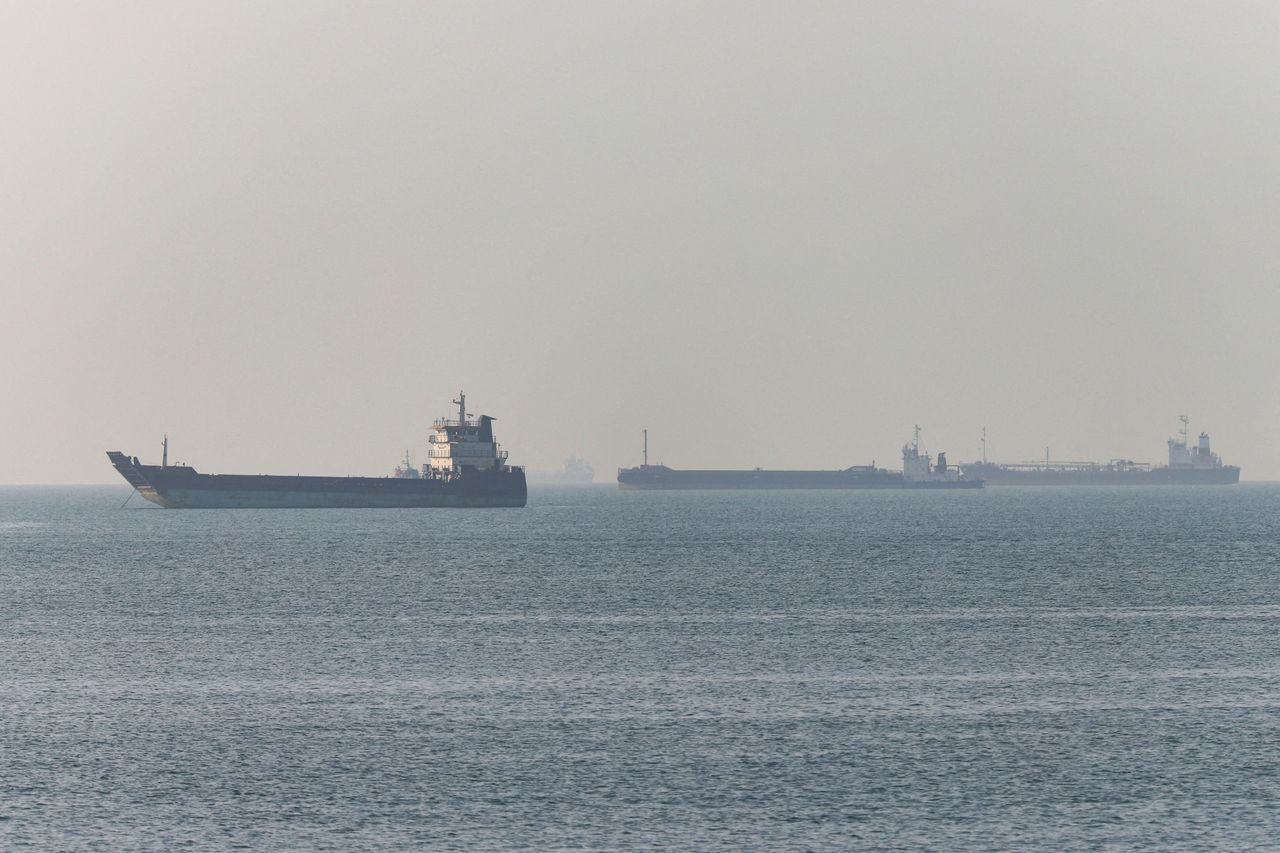
The United Arab Emirates on Monday reported attacks on a major oil facility in Fujairah, its first since the ceasefire took effect. Iranian drones and missiles also targeted a UAE tanker, while a South Korean cargo vessel was reported damaged in a separate incident after an explosion and fire in the key Hormuz waterway.
Fujairah lies beyond the strait, making it one of few export routes for Middle East oil that does not require passing through it.
"These attacks represent a dangerous escalation and an unacceptable transgression," the UAE's foreign ministry said, adding that the country reserves the "right to respond".
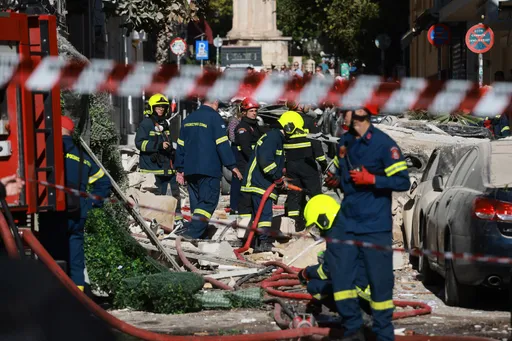
Meanwhile, a fire broke out on several commercial vessels in Iran's southern port of Dayyer, Iran's semi-official Mehr News Agency reported on Tuesday, adding that firefighting teams were working to contain the blaze.
"The cause of the incident is not yet known and will be announced after firefighting operations are fully completed," the outlet added.
Iran says attacks were in response to US actions
Meanwhile, a senior Iranian military official did not deny the fresh strikes but said on state television that Tehran had "no pre-planned programme to attack the oil facilities in question".
"What happened was the product of the US military's adventurism to create a passage for ships to illegally pass through" the Strait of Hormuz, the official said. "The US military must be held accountable for it".
On Sunday, Trump had announced what he called "Project Freedom" to guide ships from neutral countries out of the Gulf, saying it was a humanitarian effort to help stranded crews.
Iran's parliament speaker, Mohammad Bagher Ghalibaf, said in a social media post on Tuesday that the security of shipping and energy transit had been threatened by breaches of the four-week-old ceasefire by the US and its allies.
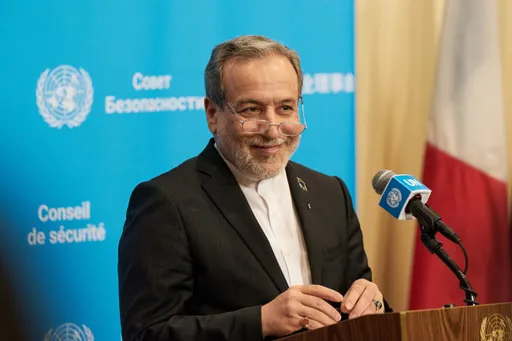
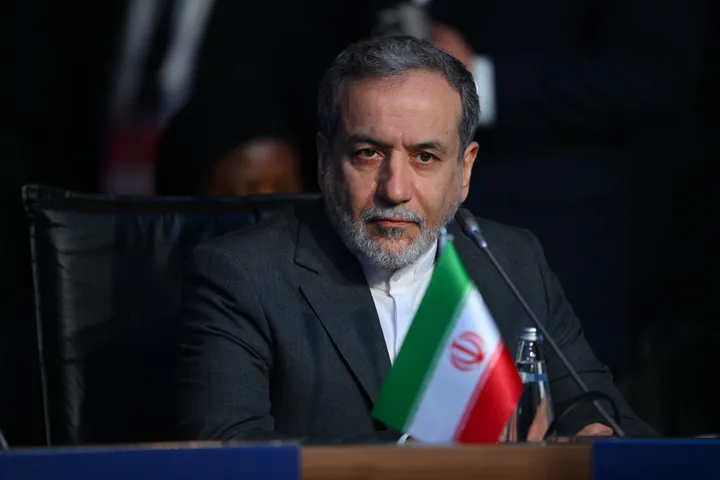
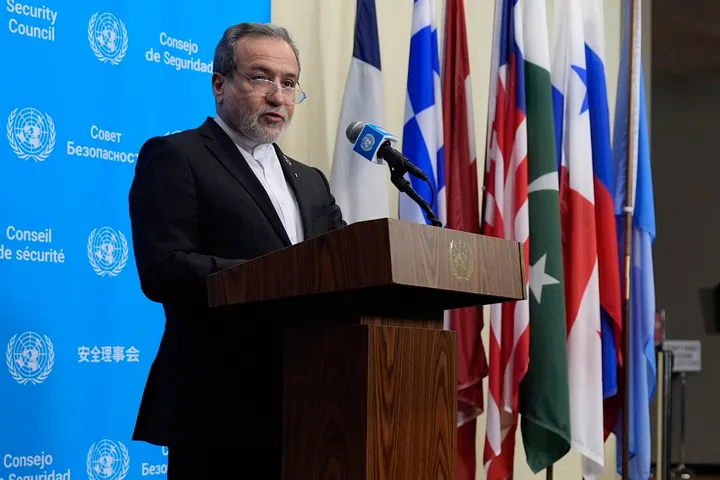
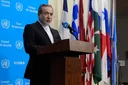
Iranian Foreign Minister Abbas Araghchi said the clashes showed there was "no military solution to a political crisis" and pointed to Pakistan's efforts to keep mediating.
"The US should be wary of being dragged back into quagmire by ill-wishers. So should the UAE. Project Freedom is Project Deadlock," he wrote on X.
US responds
The US military responded with force on Monday, saying it destroyed six Iranian fast boats that it claimed threatened commercial and naval vessels, but Tehran denied any combat vessels had been hit and accused Washington of killing five civilians on boats.
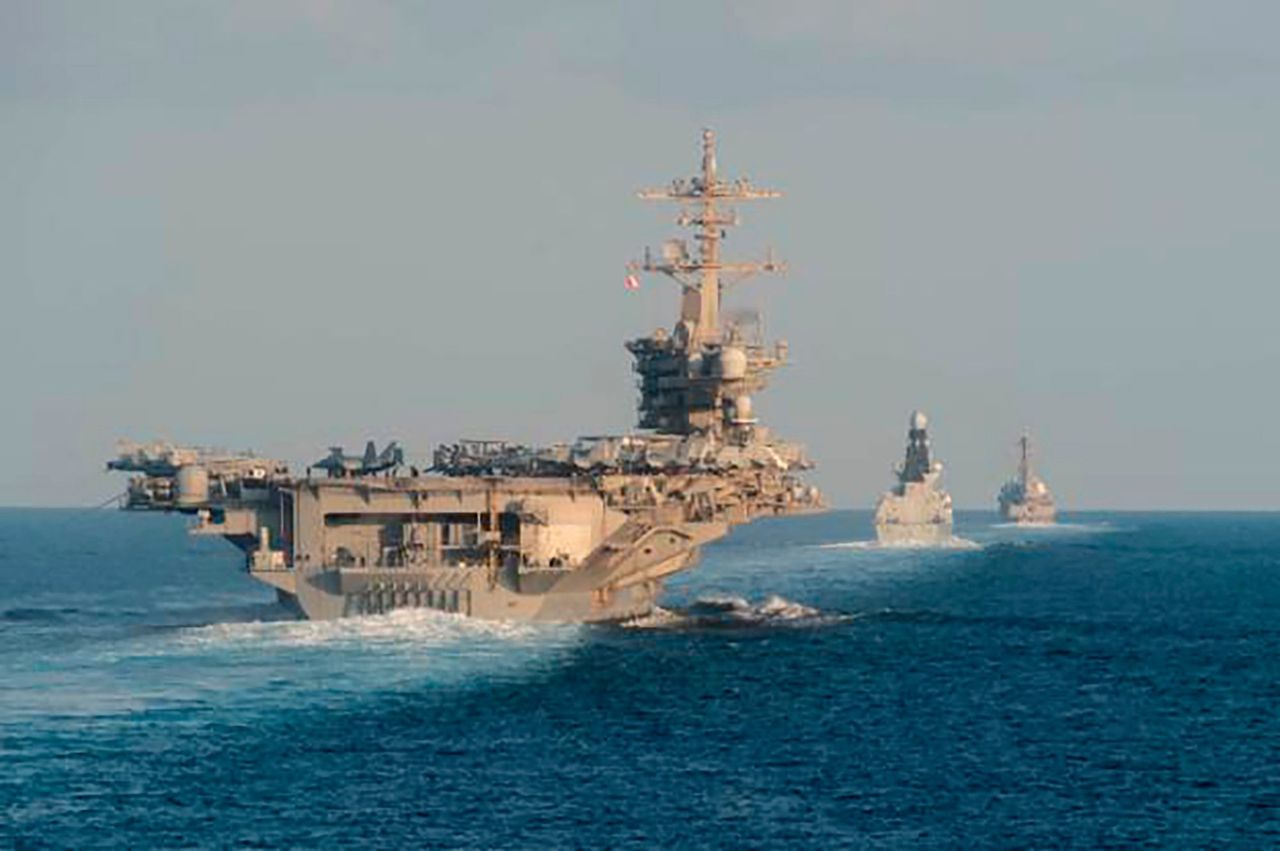
Simultaneously, US Central Command said that guided-missile destroyers had transited Hormuz and that, as a first step “Project Freedom”, two US-flagged merchant vessels had travelled out.
But Iran's Revolutionary Guards denied the claim, saying: "No commercial vessels or oil tankers have passed through the Strait of Hormuz in the past few hours."
Trump: 'no damage' in Hormuz
President Donald Trump downplayed tensions after US warships entered the Strait of Hormuz, saying Iran had "taken some shots" but caused no harm apart from damage to a South Korean vessel.
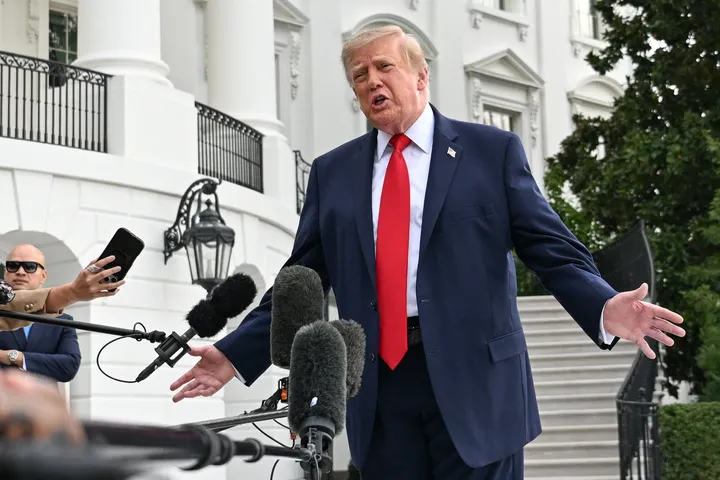
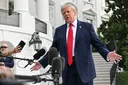
"Other than the South Korean Ship, there has been, at this moment, no damage going through the Strait," Trump said on his Truth Social platform.
Ceasefire in the grey zone
What is unfolding is not a return to open war according to analysts, but grey-zone confrontation.
Swarms of drones and fast boats, along with limited missile strikes, allow both sides to assert power without triggering a full military response.
Naval harassment, mine-laying threats, and economic coercion blur the line between military and commercial pressure.
Analysts describe this as a “testing of boundaries” where both sides push the limits of restraint while avoiding a direct collapse of the ceasefire.
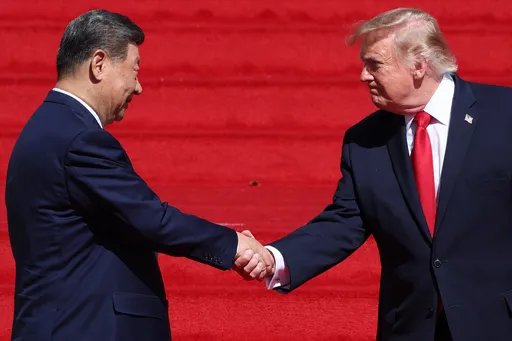
Diplomacy between Washington and Tehran has been deadlocked since the ceasefire, with the US twice aborting plans for senior officials to attend talks in Pakistan.
Tehran has vowed not to surrender control over the Strait of Hormuz.
Iran claims de facto authority over the strait, warning that vessels must coordinate with its military and the Iranian Revolutionary Guards unveiling a new map to reinforce its stance.
The area starts in the west with a line between the westernmost tip of Iran's Qeshm island to the UAE' Umm al Quwain emirate. In the east, the area stops at a line between Iran's Mount Mobarak and the UAE's Emirate of Fujairah.
The US, meanwhile, insists on freedom of navigation, conducting naval operations to escort commercial vessels through the waterway.
Growing calls for de-escalation
Meanwhile, the United Kingdom, France, Germany and Saudi Arabia called for de-escalation in the Middle East following the reported attacks on the UAE.
Britain's Prime Minister said that the "escalation must cease", while German Chancellor Friedrich Merz wrote on X that "Tehran must return to the negotiating table and stop holding the region and the world hostage."
Saudi Arabia, a key US ally whose energy infrastructure has been hit by Iran, joined the calls on Tuesday to de-escalate and called for "diplomatic efforts to reach a political solution".
Where talks stand
The war in the Middle East has cost thousands of lives and roiled the global economy. US and Iranian officials have held one round of face-to-face peace talks in Pakistan’s Islamabad, but attempts to set up further meetings have failed.
Trump has said the US-Israeli attacks aimed to eliminate what he called imminent threats from Iran, citing its nuclear and ballistic missile programmes, its support for Hezbollah and its “menacing activities".
Iranian state media said on Sunday that the US had conveyed its response to a 14-point Iranian proposal via Pakistan, and Iran was reviewing it. Neither side gave details.
The Iranian proposal would postpone discussion of Iran's nuclear energy and research programmes until after an agreement to end the war and resolve the standoff over shipping. Trump said over the weekend he was still studying it, but would probably reject it.
The latest US intelligence shows limited damage to Iran's nuclear programme since the war began, officials told Reuters.
Trump wants to remove Iran's stockpiles of enriched uranium to prevent it from processing it to the point where it could make a nuclear weapon. Iran denies any intention to build a nuclear bomb.