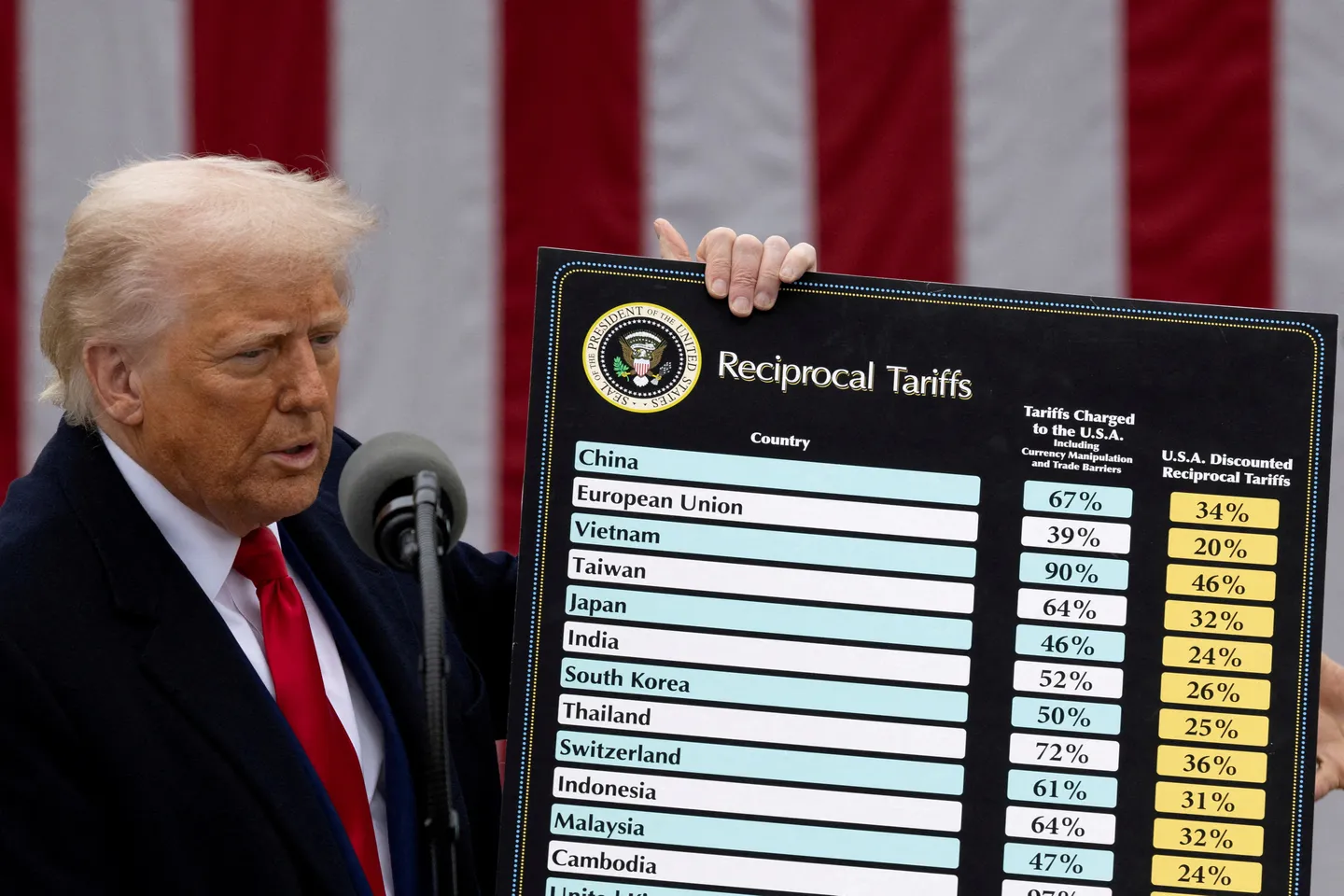
The Trump administration has decided to impose new tariffs of 10 percent and 12.5 percent on goods from 60 trading partners, including China, India and the European Union, over allegations of lax enforcement of forced labour bans, just as a temporary 10 percent global tariff expires.
The new tariffs, announced on Thursday in a Federal Register notice, will cover 99.4 percent of US imports, but include numerous product exemptions, such as oil and gas, fertiliser and certain food items.
A number of US trading partners have begun responding to the decision made by the US.
Japan
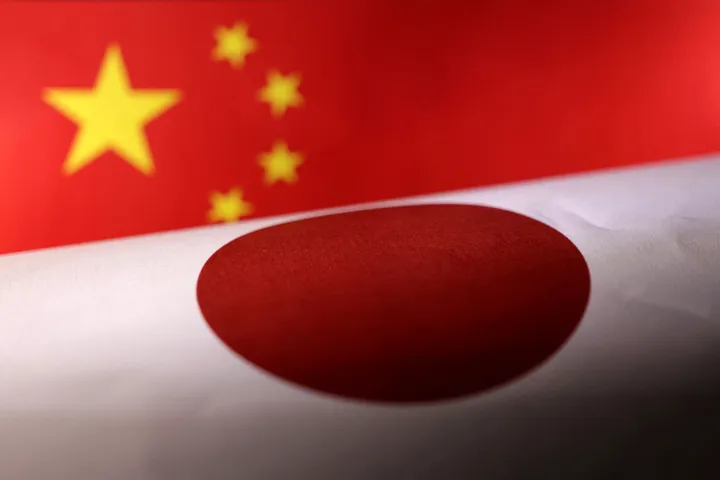
Japan "regrets" new US tariffs, the government said on Friday, after Tokyo was included on Washington's list of trading partners hit with levies ranging from 10 to 12.5 percent.
"Japan's industry and trade are conducted in accordance with international rules. Japan regrets that this latest measure imposes tariffs on Japan solely on the grounds that there is no ban on the import of products produced through forced labour," chief government spokesman Minoru Kihara said.
Brazil
Brazilian government rejected the tariffs, calling the move "completely arbitrary" and "unjustified", according to a statement.
"Lacking a legal basis under domestic law to support its protectionist trade policy, the U.S. Trade Representative chose to manipulate an issue of great importance to human rights and workers' rights movement," said Brazil, whose exports to US will be levied at 12.5 percent under the measure.
Brazil added it will immediately start procedures to trigger the response instruments under its "Reciprocity Law", and will take the matter before the World Trade Organization's dispute settlement mechanism.
Australia
Australia said the new tariffs announced by the US made no sense and the government was disappointed with the decision that would make the current duties rise to 12.5 percent from 10 percent for the country.

"This really, in our view, makes no sense," Defence Minister Richard Marles told ABC Radio.
Australian Trade Minister Don Farrell said, "These tariffs are unjustified, inconsistent with our free trade agreement, and should be removed."
Mexico
Over 80 percent of Mexican exports to the United States will be exempt from a new round of tariffs announced by Washington, Mexican Economic Secretary Marcelo Ebrard said on Thursday.
But Ebrard said the majority of Mexican exports won't be affected because they comply with the requirements of the United States-Mexico-Canada Agreement (USMCA), a regional free trade accord signed in 2020.
Ebrard said in a social media video that over 80 percent of Mexican exports "follow the rules of the free trade agreement that we have, USMCA. Which is to say, that's not changing."
New Zealand
New Zealand Prime Minister Christopher Luxon condemned new US tariffs as "extremely disappointing".
"The US investigation did not provide meaningful evidence to support claims in relation to forced labour," Luxon said on X.
"Tariffs are not the way — they drive up costs and uncertainty for businesses," he added.
The levies, effective Friday, range from 10 percent to 12.5 percent and impact major economies like China, India and the European Union.
New Zealand faces a 12.5 percent rate.