The head of Israel's Central Elections Committee has said that an ongoing investigation into alleged foreign funding in the country's recent vote would not call into question its result, as the opposition seeks Knesset control and legislation targeting incumbent Prime Minister Benjamin Netanyahu.
Committee chief Noam Sohlberg said on Sunday that so far "suspicions remain suspicions".
"We will examine them thoroughly and get to the very bottom of the matter to establish the full truth," Sohlberg said in a video message.
"Our position is that even if the suspicions are ultimately confirmed, this would not call into question the integrity of the electoral process or the overall results of the elections."
Preliminary results from Tuesday's parliamentary elections gave Netanyahu's bloc 53 seats in the 120-member Knesset, against 48 for the opposition and 19 for Arab parties.
Neither bloc has so far secured the minimum 61 seats needed to form a government.
Opposition eyes Knesset control
Meanwhile, opposition leaders are planning a four-way meeting at the home of Yesh Atid leader Yair Lapid to develop a joint plan to translate the election results into political power inside the Knesset, Walla news website reported, citing unnamed sources.
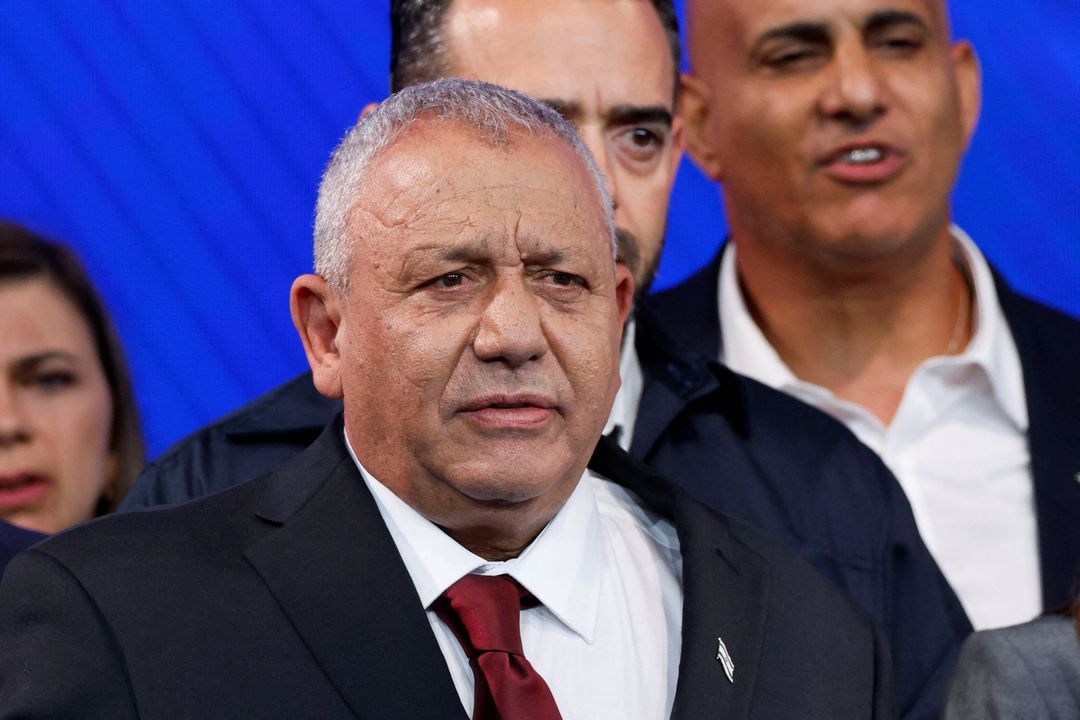
Lapid will be joined by Yashar party leader Gadi Eisenkot, Avigdor Lieberman of Yisrael Beiteinu and Yair Golan of the Democrats.
The meeting will take place ahead of consultations scheduled to begin on November 4 at the residence of President Isaac Herzog, who will determine who receives the first mandate to try to form a government.
Opposition sources told Walla that Eisenkot has decided to accept the mandate. He has repeatedly ruled out joining a government with Netanyahu, even under a power-sharing arrangement in which they would rotate as prime minister.
Shifting balance of power







Another key date for opposition leaders is November 10, when newly elected Knesset members are scheduled to take the oath of office, according to Walla.
The opposition plans to replace Knesset Speaker Amir Ohana, a member of Netanyahu's Likud party, a move that could give it control over parliamentary business and allow it to try to pass legislation during the six weeks before the deadline for forming a government.
The opposition leaders are expected to discuss a consensus candidate for the post, with Eisenkot, Lapid and Oded Forer of Yisrael Beiteinu among the names being considered.
They see replacing the speaker as an important first step towards shifting the political balance of power while government formation talks continue, Walla said.
But carrying out the plan will require opposition leaders to agree on a candidate and secure enough votes to elect their candidate.
Legislation targeting Netanyahu
The opposition seeks to pass a bill that would bar anyone facing a criminal indictment from forming a government, even before a conviction.
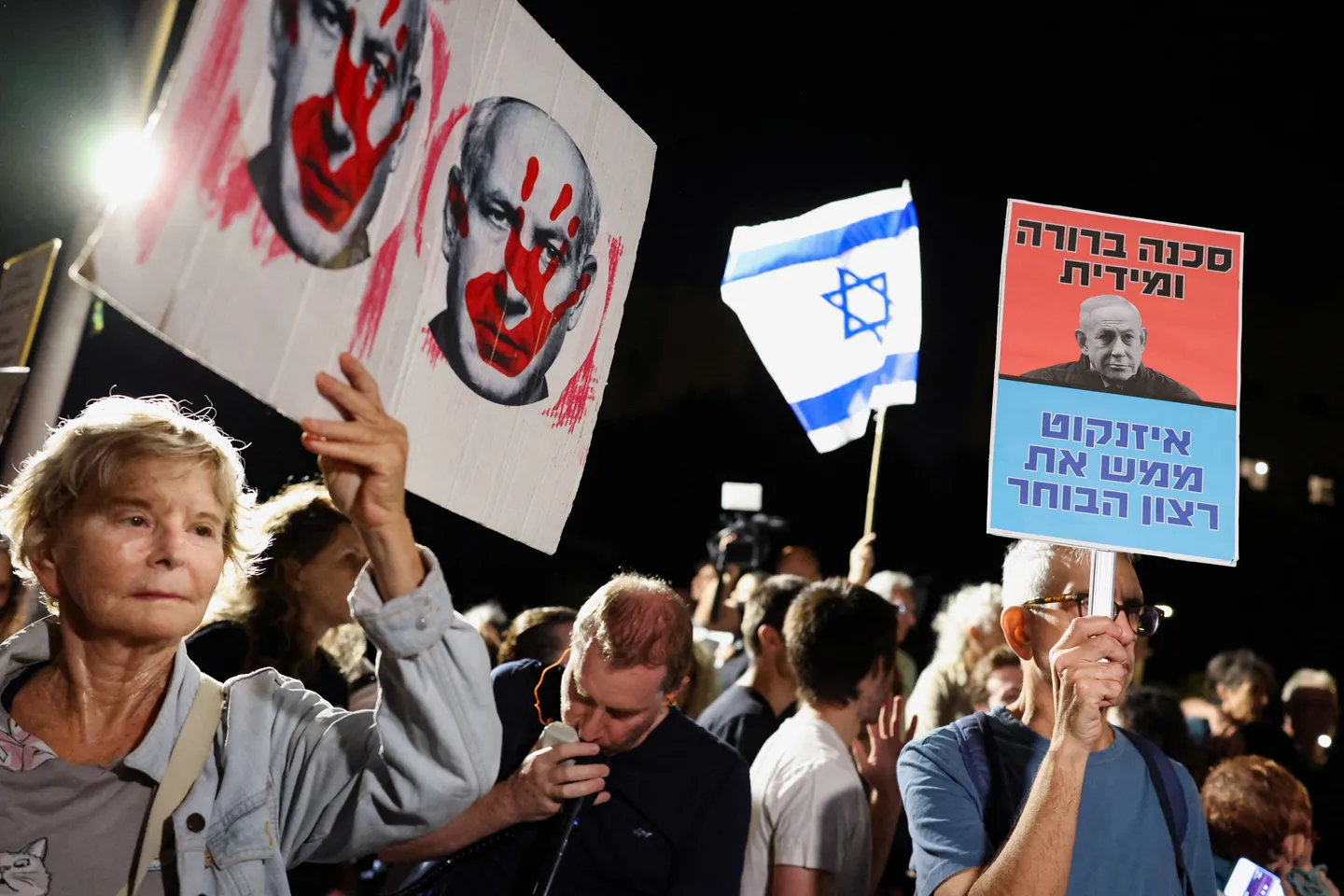
Such a bill would affect Netanyahu, 76, who is on trial on corruption charges, including bribery, fraud and breach of trust. He could face prison if convicted.
He has led a coalition of far-right parties since late 2022, widely described as the most right-wing government in Israel's history.
The opposition also wants to advance a bill to establish an official commission of inquiry into the events of October 7, 2023, Walla said.
Israel’s Gaza genocide has killed more than 74,000 Palestinians, leaving the entire enclave in ruins.
Netanyahu has also been sought by the International Criminal Court since 2024 on accusations of war crimes and crimes against humanity related to the war in Gaza.