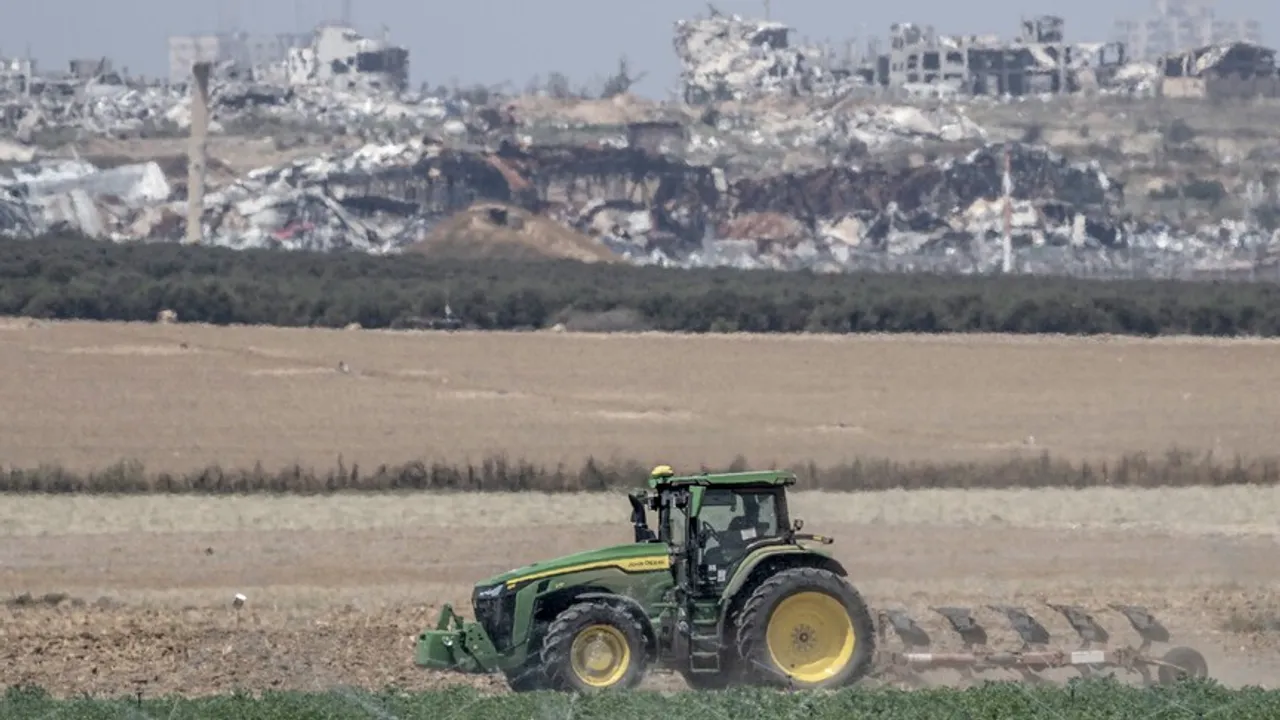
Agricultural products originating in illegal Israeli settlements in the occupied Palestinian territories and the occupied Syrian Golan continue to enter European markets under false Israeli origin labels, according to a new investigation report.
The report, Importing Occupation, published on Wednesday by the Global Echo Litigation Center, alleges that products from settlements are routinely exported to Europe as products of Israel despite longstanding EU policies requiring a distinction between Israel and the territories it has occupied since 1967.
"Retailers and food manufacturers responsible for labelling their products are involved in consumer deception by falsely labelling the origin of agricultural settlement goods exported to the EU, labelling them as 'from Israel', rather than from Israeli settlements in occupied territory, e.g., 'West Bank (Israeli settlement)' or 'Golan Heights (Israeli settlement)'," the report said.
Researchers analysed more than 30,000 export records covering 6,827 agricultural shipments exported from Israel between October 2017 and February 2026.
According to the findings, more than 17 percent of agricultural shipments destined for Europe contained products originating in illegal Israeli settlements, while the figure rose to nearly 20 percent for exports specifically bound for EU member states.
Systematic concealment in settlement goods trade
The report identifies several methods allegedly used to conceal the true origin of settlement products, including listing settlement production sites as being in Israel, using addresses inside Israel that do not correspond to actual production locations, and mixing settlement products with goods produced within Israel before export.
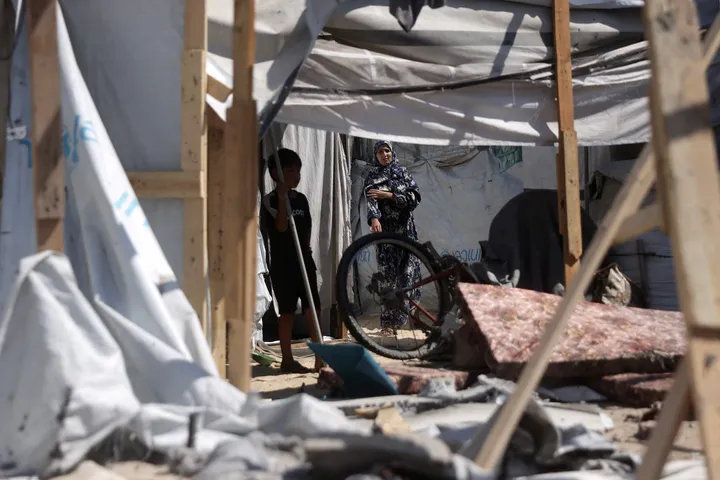
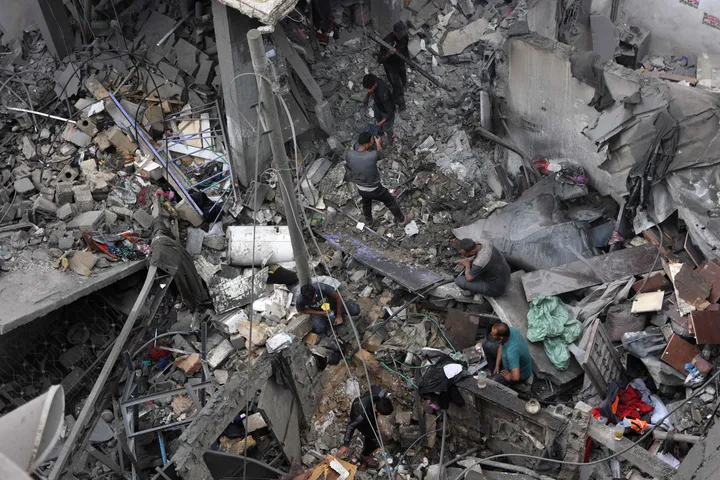






"What emerges is not a story of isolated error, but of systematic concealment: settlement produce are hidden in plain sight, redirected through sham addresses, or mingled with goods from within Israel’s recognised borders until legal distinction is dissolved in bureaucratic practice," it said.
Researchers argue that weaknesses in the EU's differentiation policy have allowed settlement goods to continue reaching European consumers under Israeli labels.
"Consequently, the system of Israeli settlement agricultural products routinely entering the European market under false Israeli origin breaches a host of EU agreements, laws, and policies," the report said.
The investigation also raises questions about preferential tariff treatment, food safety and phytosanitary certification, organic certification and consumer labelling.
According to the report, settlement agriculture plays a broader role in sustaining illegal Israeli settlements in the occupied territories through land use and resource extraction.
The authors also cite the International Court of Justice's July 2024 advisory opinion, which said states should distinguish between Israel and the territories it occupies and avoid economic activities that help sustain the occupation.