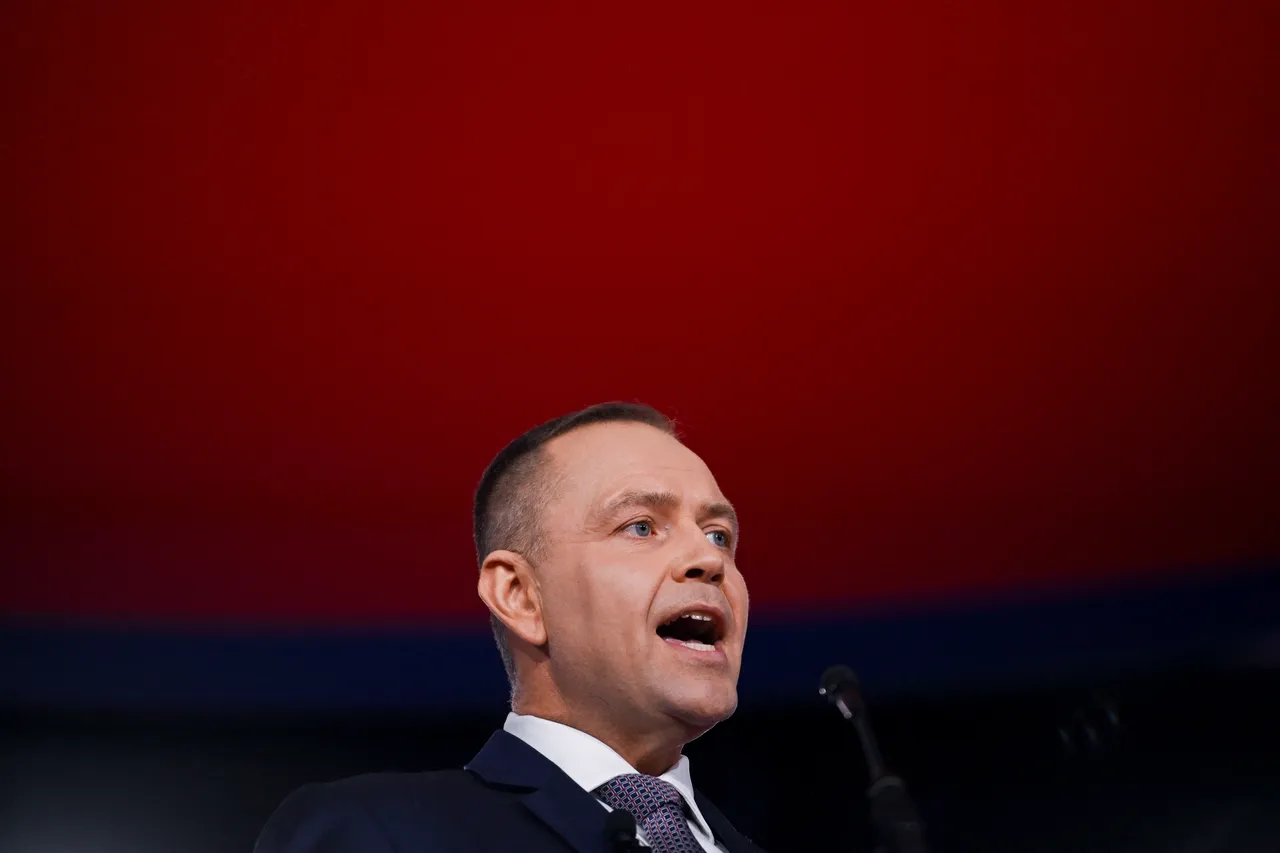
Polish President Karol Nawrocki’s chief foreign policy adviser has criticised the US for failing to consult allies before launching military action against Iran.
“A minimum of respect would require consultation on these matters in advance, not when problems arise,” Marcin Przydacz told Radio Zet on Wednesday.
He was referring to the US and Israeli strikes on Iran and argued that Washington should have coordinated with NATO allies before acting, especially if it later expected their support.
The remarks signal a rare tension between Poland’s strongly pro-American president and the administration of Donald Trump.
Przydacz emphasised that Washington should have shown “a minimum of respect” by informing allies beforehand, particularly given later US expectations for NATO partners to help protect shipping routes and support US operations in the Middle East.
Nawrocki has long been one of Trump’s closest European allies, repeatedly praising him as a “true friend of Poland,” backing calls for higher European defence spending, and stressing that the US remains Poland’s key partner.
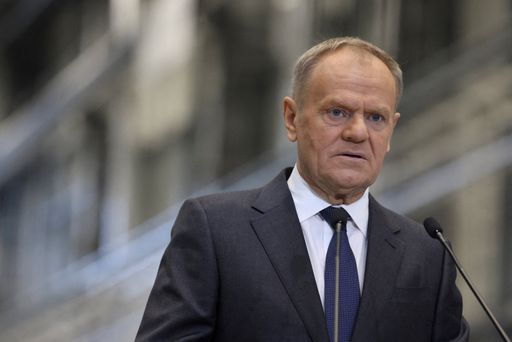
However, the statements expose a widening gap between Nawrocki’s presidential office and Prime Minister Donald Tusk’s government on how to respond to the growing conflict with Iran.
Cautious approach
Initially, Nawrocki struck a supportive tone after the US-Israeli strikes, saying Poland had been informed in advance “thanks to the channels we maintain with our allies and coalition partners.” He later argued that Iran had threatened the international order and defended Poland’s close ties with Washington.
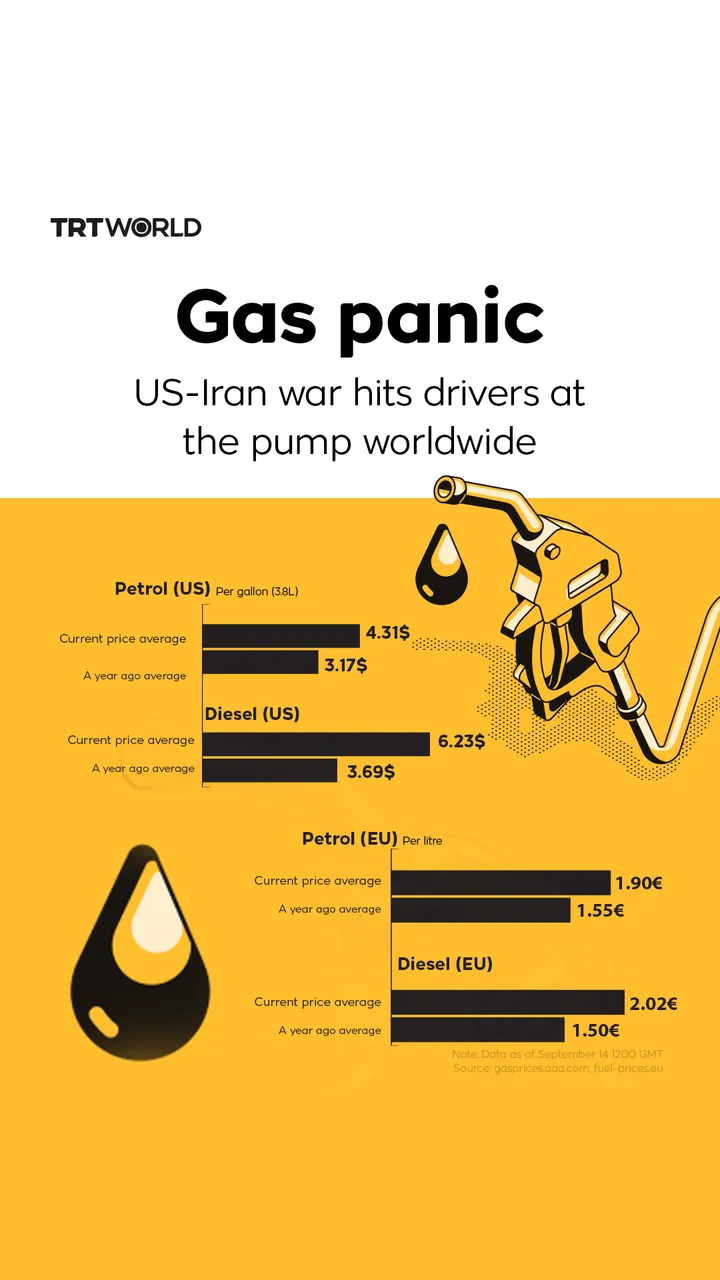
Tusk’s government has taken a more cautious approach. Foreign Minister Radoslaw Sikorski questioned whether Iran posed a direct threat justifying US action, while Defence Minister Wladyslaw Kosiniak-Kamysz warned that a prolonged Middle East war could disrupt arms supplies to Ukraine and drive up energy prices, benefiting Russia.
The dispute coincides with other differences between the presidential palace and the government.
Tusk has ruled out sending Polish troops to Iran and recently rejected suggestions that Poland could deploy a Patriot missile battery to the region.
Przydacz’s comments reflect a broader concern in Warsaw: even Poland’s most pro-Trump politicians seek to prevent the United States from making unilateral decisions and then expecting NATO allies to follow without question.
For Nawrocki, the balancing act is politically delicate. He wants to remain Trump’s closest ally in Europe while also demonstrating to Polish voters that he will defend the nation’s interests and dignity, even in dealings with Washington.