Oil prices fell more than three percent on Thursday as concerns over immediate supply disruptions in the Middle East eased.
International benchmark Brent crude declined 3.5 percent to around $102.10 per barrel as of 1215GMT.
US benchmark West Texas Intermediate (WTI) dropped 3.1 percent to $99.31 per barrel, falling below the $100 threshold.
The declines followed losses of 2.7 percent for Brent and 3.2 percent for WTI in the previous session.
Easing supply fears
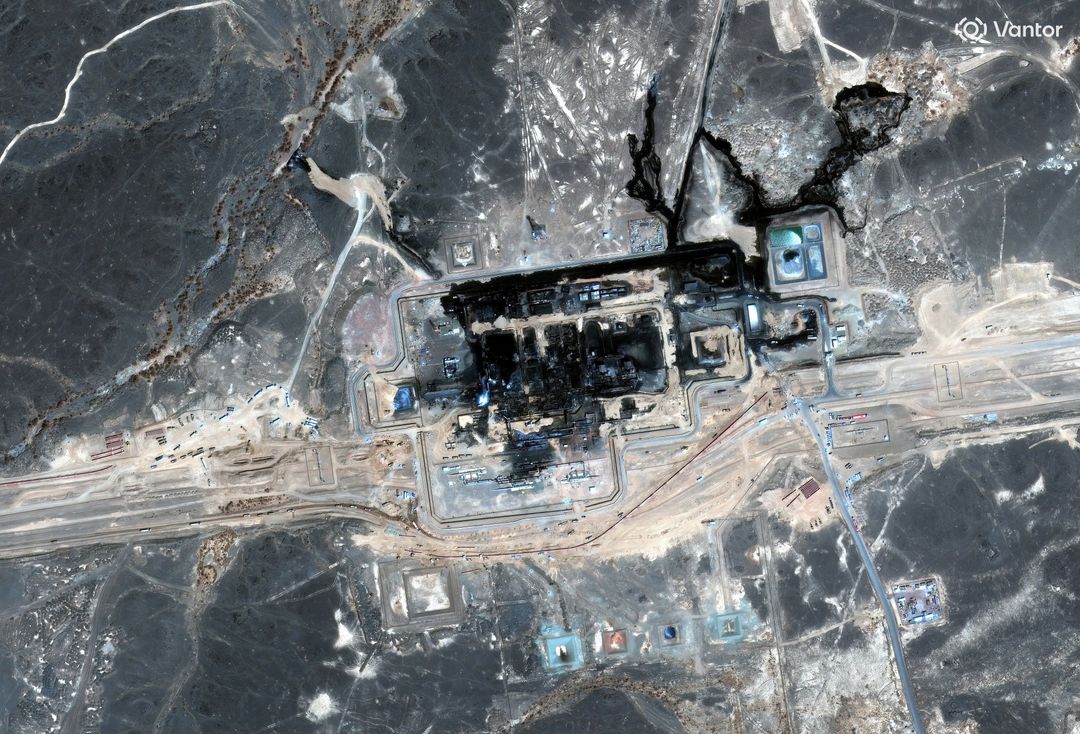
Prices came under pressure as developments offering alternative export routes and the prospect of restoring disrupted infrastructure reduced fears of an acute supply shortage.
However, uncertainty surrounding Middle Eastern supplies continues to keep the oil market volatile.
The Strait of Hormuz remains a key source of risk, as the waterway is a critical route for global crude oil and liquefied natural gas shipments.
Gold, silver rebound
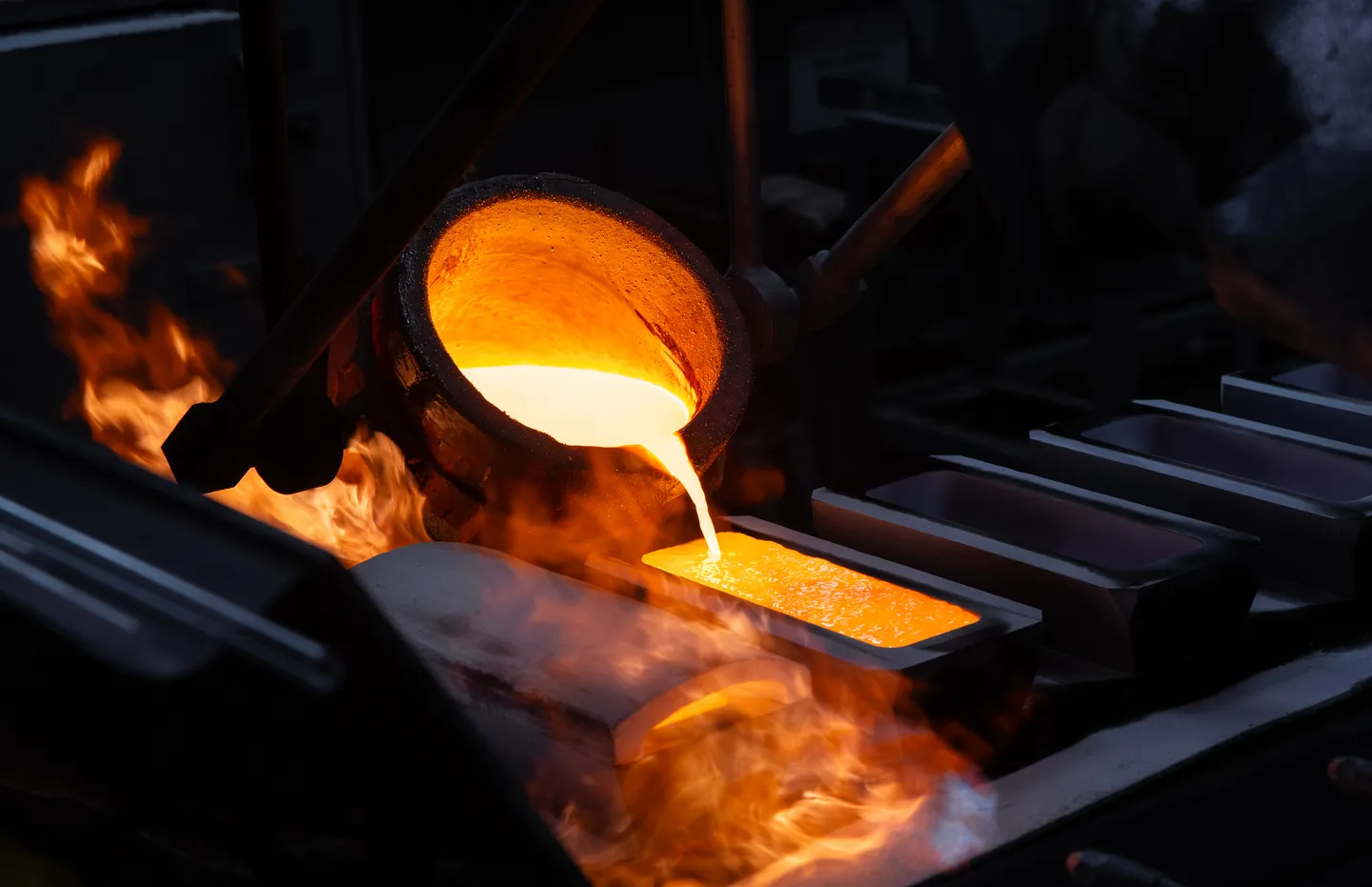
Meanwhile, precious metals rebounded as the recent oil price rally lost momentum, easing concerns over energy-driven inflationary pressures. Gold climbed 1.1 percent to $4,308.80 per ounce as of 0950GMT, recovering from losses recorded in the previous session.







Silver gained 1.2 percent to $63.97 per ounce. The metal was up almost 53 percent from a year earlier, compared with gold’s annual gain of more than 18 percent.
The recovery came as reports that Saudi Arabia was seeking to restore around half of the capacity of its East-West oil pipeline within days and return the route to full operation within six weeks helped cool crude prices.
Fed rate hike caps gains
Sentiment was also supported by US Energy Secretary Chris Wright’s statement that 18 million barrels of crude oil and petroleum products had passed through the Strait of Hormuz earlier in the week.
However, gains in precious metals remained limited after the US Federal Reserve raised interest rates and signaled another increase before the end of the year.
The Fed on Wednesday lifted its federal funds target range by 25 basis points to 3.75 to 4 percent, marking its first rate increase in three years.
Fed Chair Kevin Warsh said inflation remained elevated, while figures released last week showed that core US inflation rose more than expected in August.
Higher interest rates typically weigh on non-yielding assets such as gold and silver by increasing the opportunity cost of holding them.