Iraq is preparing alternative routes to export crude after the shutdown of the Strait of Hormuz halted shipments, with officials saying the Kirkuk–Ceyhan Oil Pipeline to Türkiye could resume operations within days.
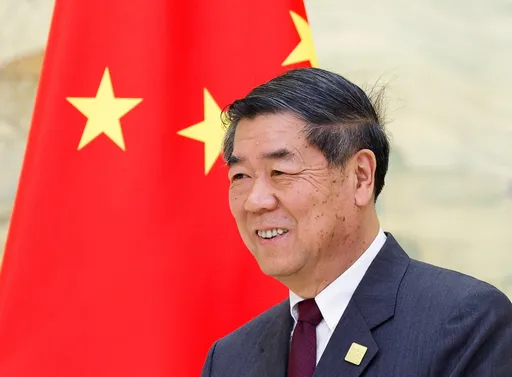
Deputy Prime Minister and Oil Minister Hayyan Abdul Ghani said Monday that Baghdad is working urgently to restore export capacity following disruptions caused by the ongoing regional war.
In a video statement, Abdul Ghani said Iraq had been producing about 4.4 million barrels per day under its OPEC quota, exporting roughly 3.4 million barrels daily — mostly through southern facilities such as the Basra Oil Terminal.
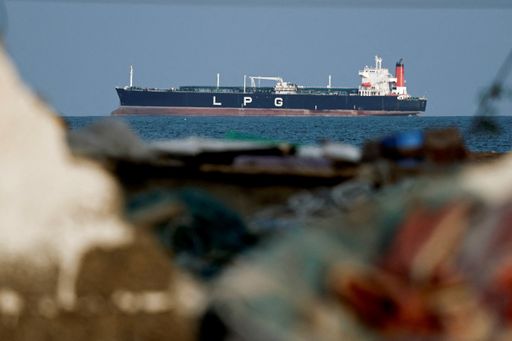
But the closure of the Strait of Hormuz, a vital maritime route for Gulf energy shipments, forced Iraq to halt exports and sharply cut production.
“Oil production has now been reduced to around 1.5–1.6 million barrels per day to meet domestic needs,” the minister said, noting that refineries are operating at maximum capacity to supply gasoline, diesel, liquefied petroleum gas and other fuels.
Emergency reserves are also being maintained to ensure energy security.
Searching for new export routes






Baghdad is now exploring multiple alternative export paths to keep its oil flowing to global markets.
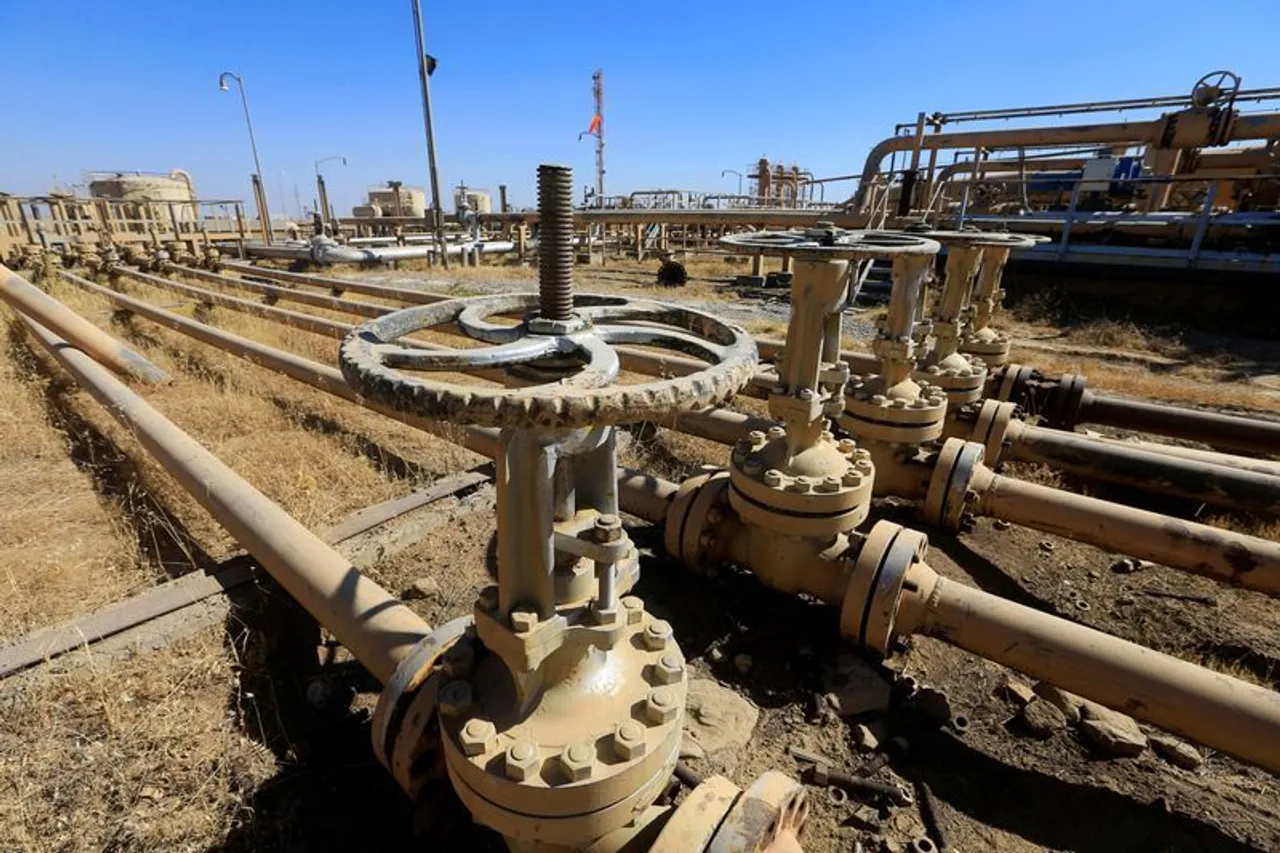
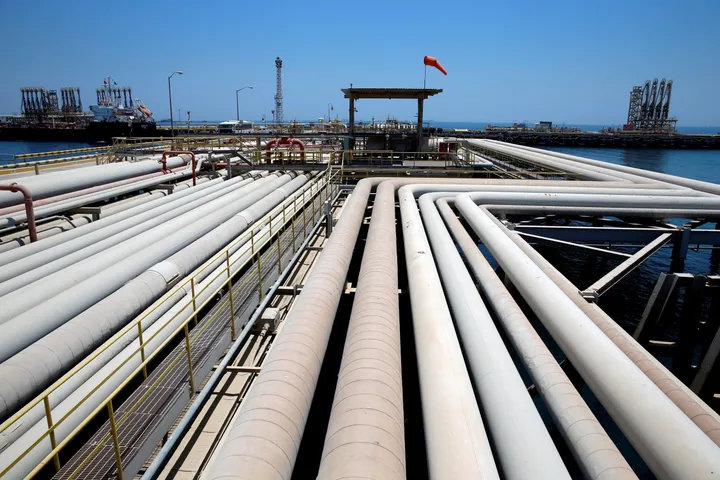
Abdul Ghani said oil could soon begin moving through Ceyhan Port on Türkiye’s Mediterranean coast via the Kirkuk pipeline, which has the capacity to transport between 200,000 and 250,000 barrels per day.
Testing and maintenance work on the pipeline are nearing completion, with the remaining hydrostatic testing on a roughly 100-kilometre section expected to finish within a week.
Once operational, crude will flow directly from the Kirkuk oil fields into the pipeline and be transported to Türkiye without passing through territory controlled by Iraq’s Kurdish Regional Government (KRG).
Iraq is also considering additional export options, including shipping oil through Baniyas Port in Syria and via a pipeline route to Aqaba in Jordan.
The contingency planning highlights the growing economic impact of the Gulf conflict on global energy supplies, as one of the world’s largest oil producers struggles to maintain exports while the region’s main shipping corridor remains closed.