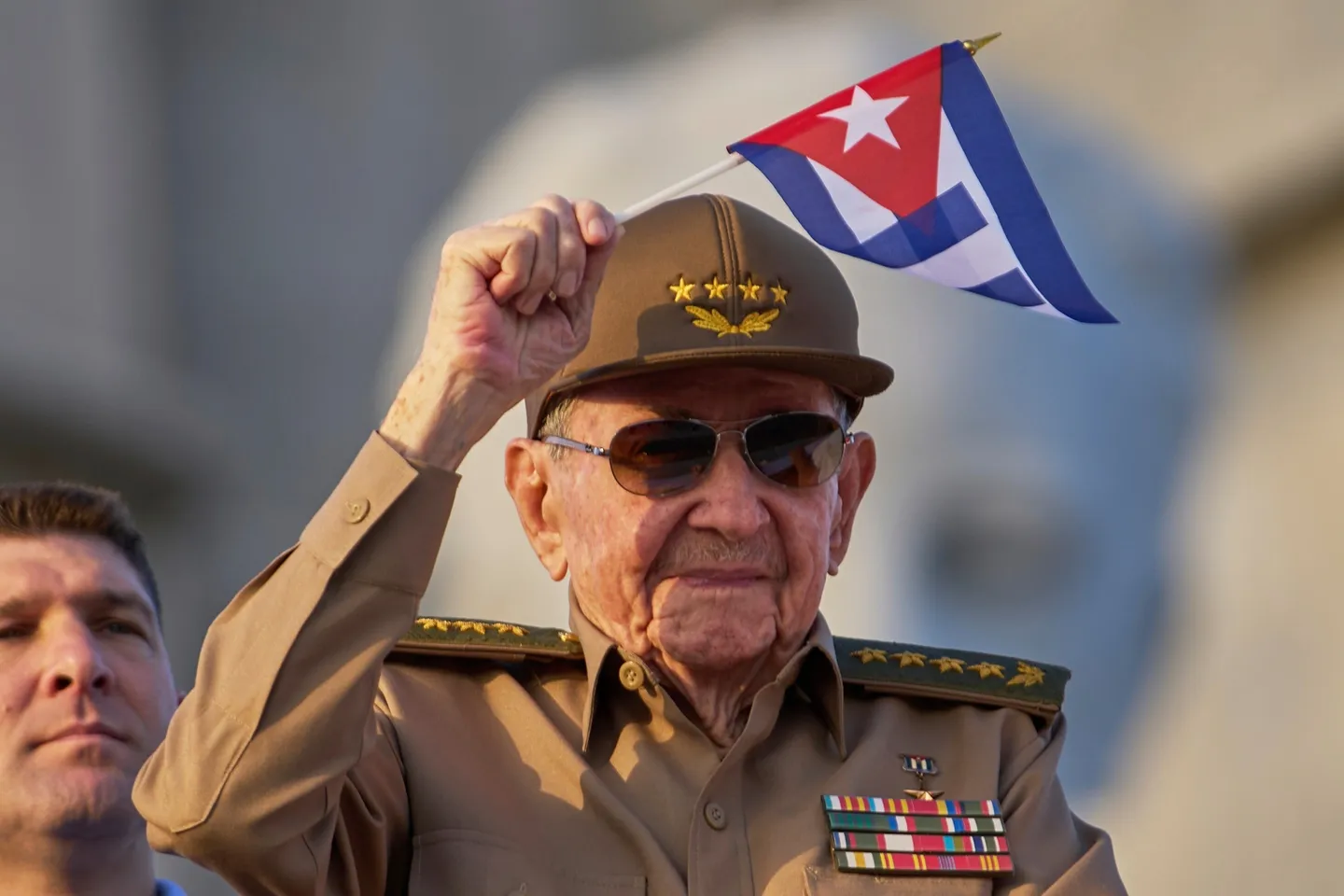
The United States has indicted 94-year-old former Cuban president Raul Castro over the 1996 downing of civilian planes manned by critics of the communist state.
An indictment unsealed in a federal court on Wednesday in Florida charged the influential former president over the 1996 downing of two civilian planes manned by anti-Castro pilots.
Cuba’s President Miguel Diaz-Canel, reacting to the decision, said that it is a "political move with no legal basis."
The charges aim to "add to the file they are fabricating to justify the folly of a military aggression against Cuba," he said in an X post.
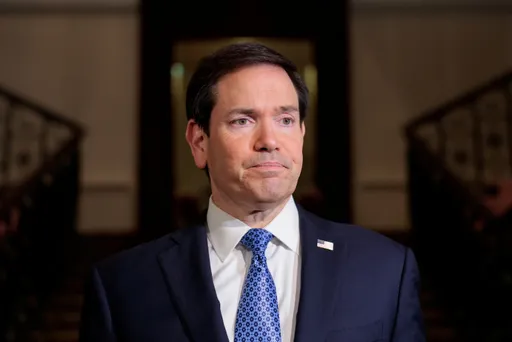
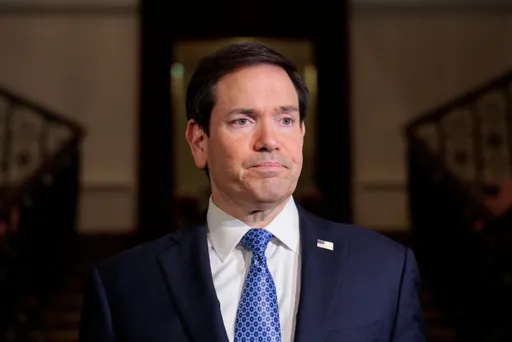
US Secretary of State Marco Rubio earlier offered to forge a new relationship between the US and Cuba in a video message to the Cuban people, offering $100 million in aid and blaming Cuba's leaders for shortages of electricity, food and fuel.
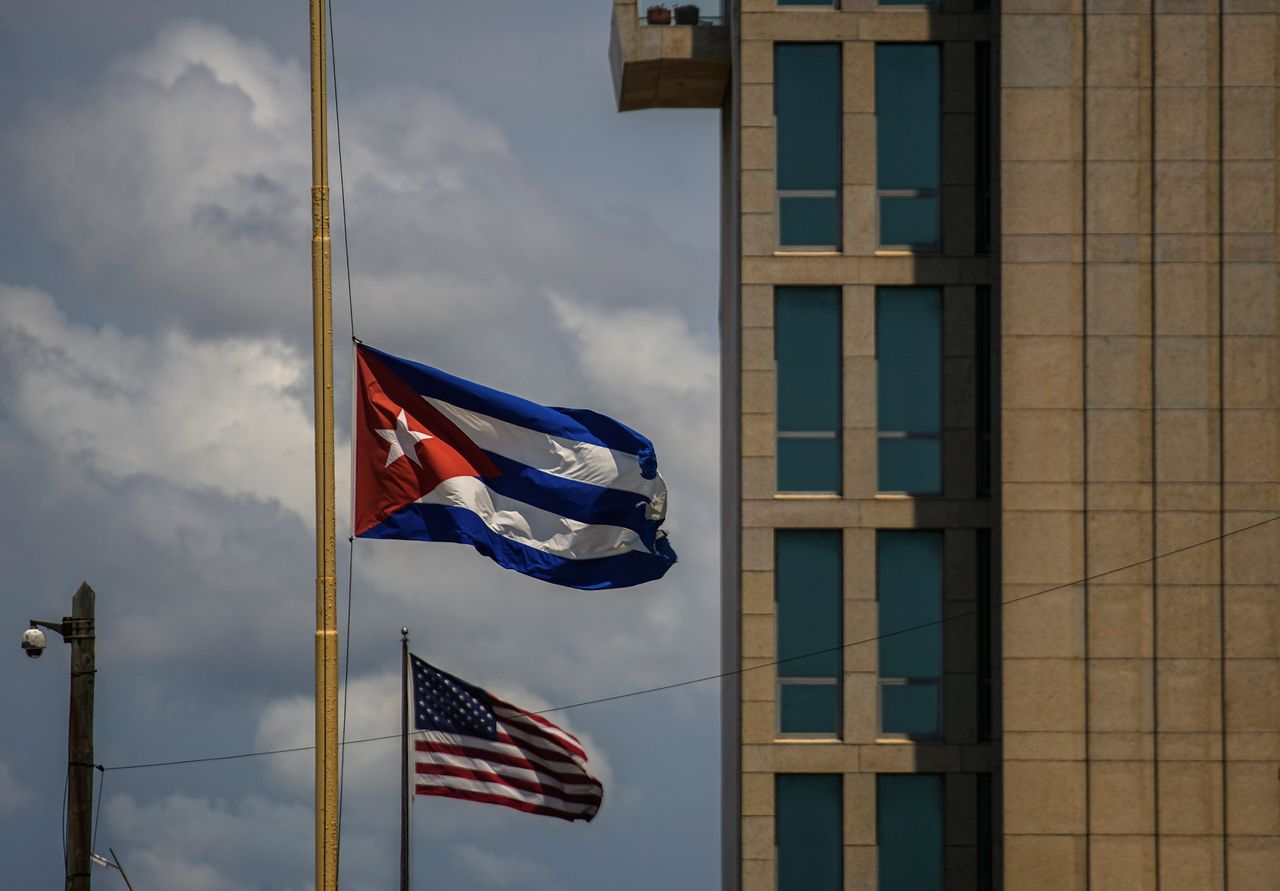
President Donald Trump has been seeking regime change in Cuba, where communists have been in charge since Raul Castro's late brother Fidel Castro led a revolution in 1959.
The US has effectively imposed a blockade on the island by threatening sanctions on countries supplying it with fuel, triggering power outages and delivering blows to its already fragile economy.
Cuba has yet to comment directly on the indictment, though Foreign Minister Bruno Rodriguez expressed defiance in public comments on May 15.
"Despite the (US) embargo, sanctions and threats of the use of force, Cuba continues on a path of sovereignty towards its socialist development," Rodriguez said.
Brothers to the rescue
Born in 1931, Raul Castro was a key figure alongside his older brother in the guerrilla war that toppled US-backed dictator Fulgencio Batista.
He helped defeat the US-organised Bay of Pigs invasion in 1961, and served as defence minister for decades. He succeeded his brother as president and remains a powerful behind-the-scenes figure in Cuban politics.
He was defence minister at the time of the 1996 incident.
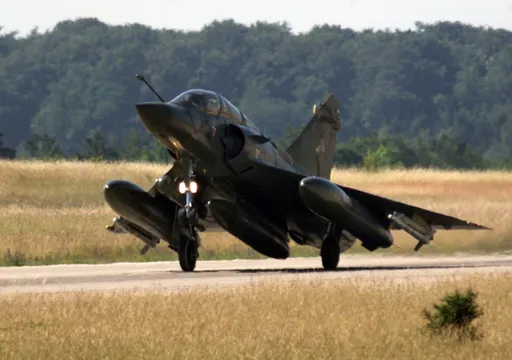
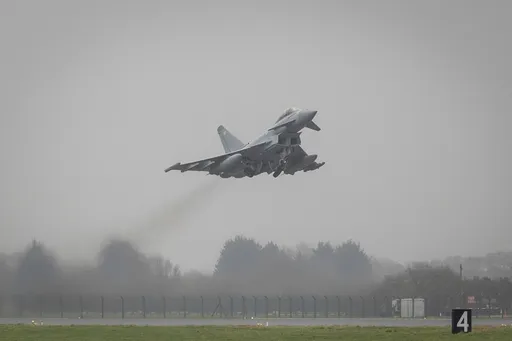
The two small planes that were shot down were being flown by Brothers to the Rescue, a group of Miami-based Cuban exile pilots. All four men aboard were killed.
The group said it searched for Cuban migrants in the Florida Straits and often flew near Cuba. Havana defended the 1996 shootdown as protection of its airspace, though international investigators later concluded the planes were downed over international waters.
The US imposed sanctions and charged three Cuban officers, but no extraditions followed.
Cuba ‘is next’
The filing of a criminal case against a US adversary like Castro would recall the earlier drug-trafficking indictment of imprisoned former Venezuelan President Nicolas Maduro, an ally of Havana's.
The Trump administration cited that indictment as a justification for the January 3 raid on Caracas by the US military in which Maduro was captured and brought to New York to face the charges. He has pleaded not guilty.
Trump says Cuba's communist government is corrupt, and in March threatened that Cuba "is next" after Venezuela.
Cuban President Miguel Diaz-Canel said on Monday that any US. military action against Cuba would lead to a "bloodbath" and that the island does not represent a threat.