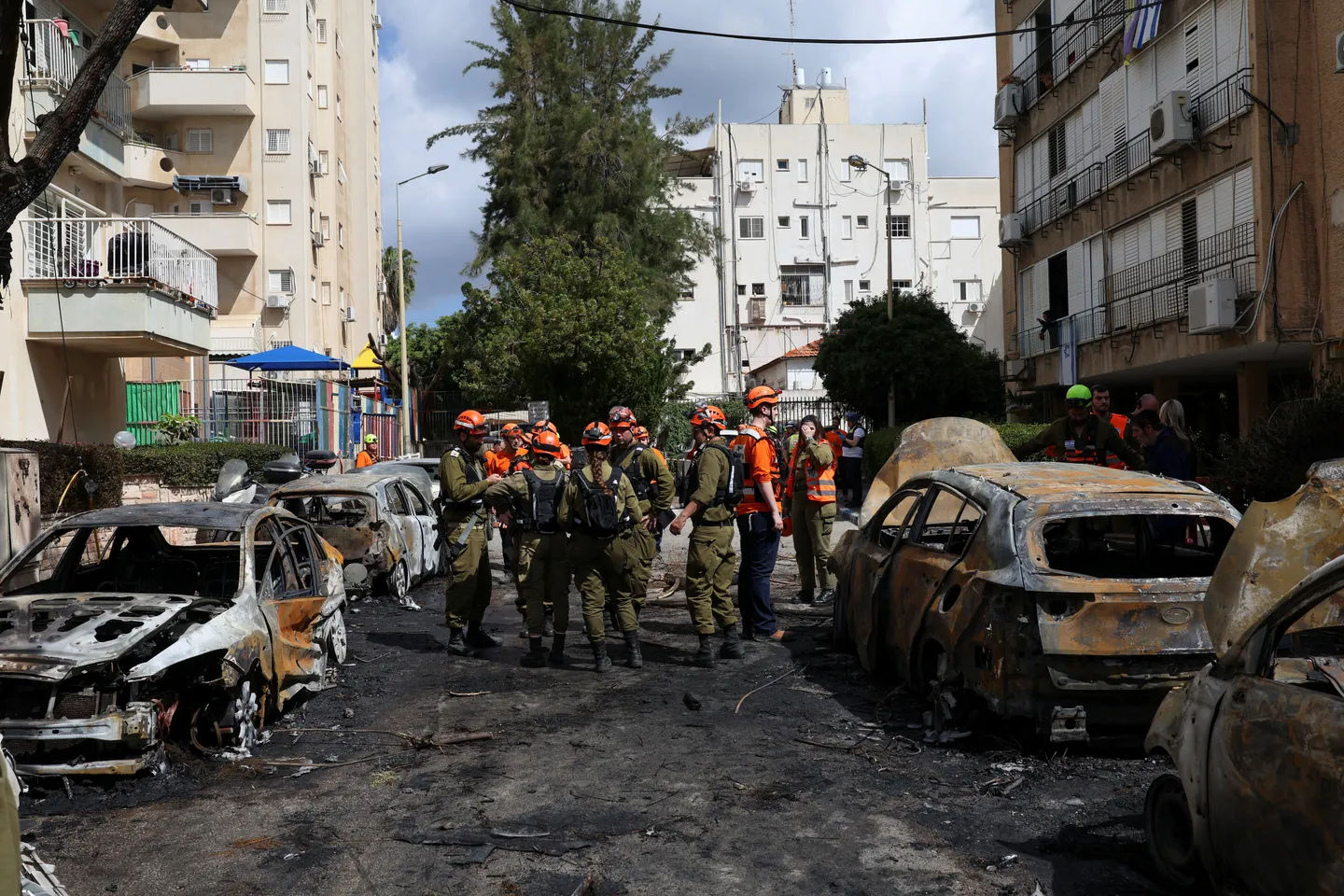
Israel's military has cut off local authorities and reserve liaison officers from a civilian emergency system used to track rocket impact sites, citing fears of information leaks to Iran, a move that has angered officials in northern Israel, local media reported.
The daily Yedioth Ahronoth said on Thursday that the system, known as “Shual,” was developed by the army’s Home Front Command to coordinate emergency management among crisis-response officials.
The system was designed to predict rocket impact zones, enable early warnings and help direct emergency teams to specific locations after rocket strikes.
According to the newspaper, the system is also used to identify dangerous unexploded ordnance, rapidly deploy search teams and determine whether casualties had occurred.
The report said the system was blocked over concerns that information could leak to Iranian-linked entities allegedly monitoring impact sites “to improve the accuracy and damage of future strikes.”
Local officials in northern Israel, however, complained that the ban has left them “working under enemy fire without a vital life-saving tool."

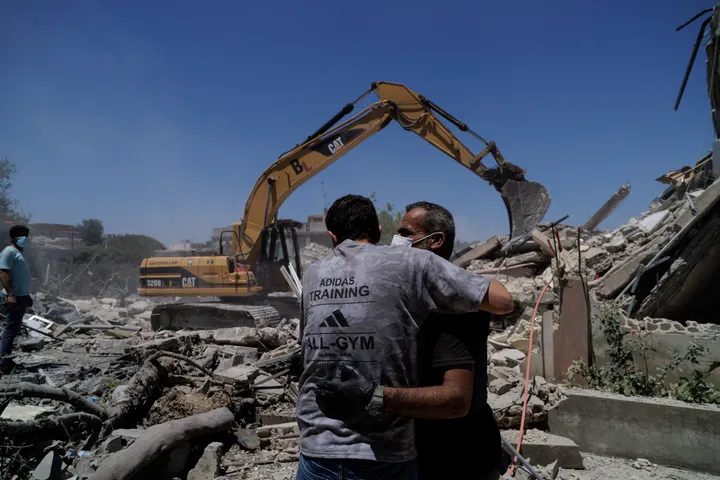

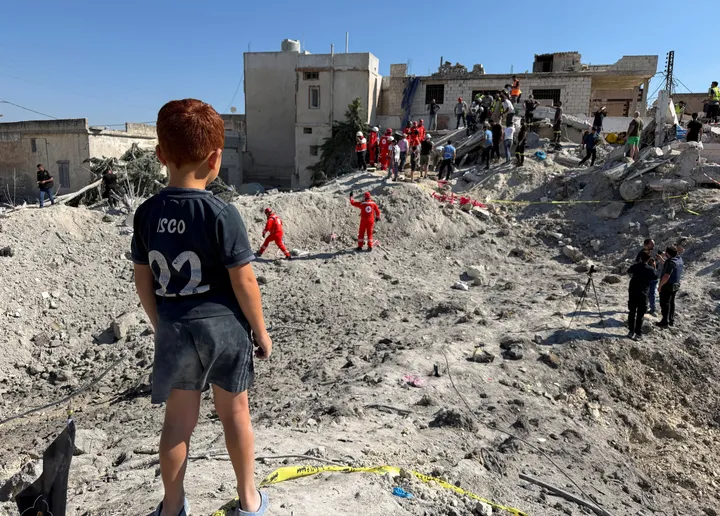



They cited that they were unable to determine the scope or direction of attacks, or whether explosions resulted from interceptions or direct impacts during recent rocket fire by Hezbollah on the settlements of Baram, Dovev and Tzivon.
Israel has continued to attack Lebanon despite a ceasefire announced on April 17 and extended until May 17.
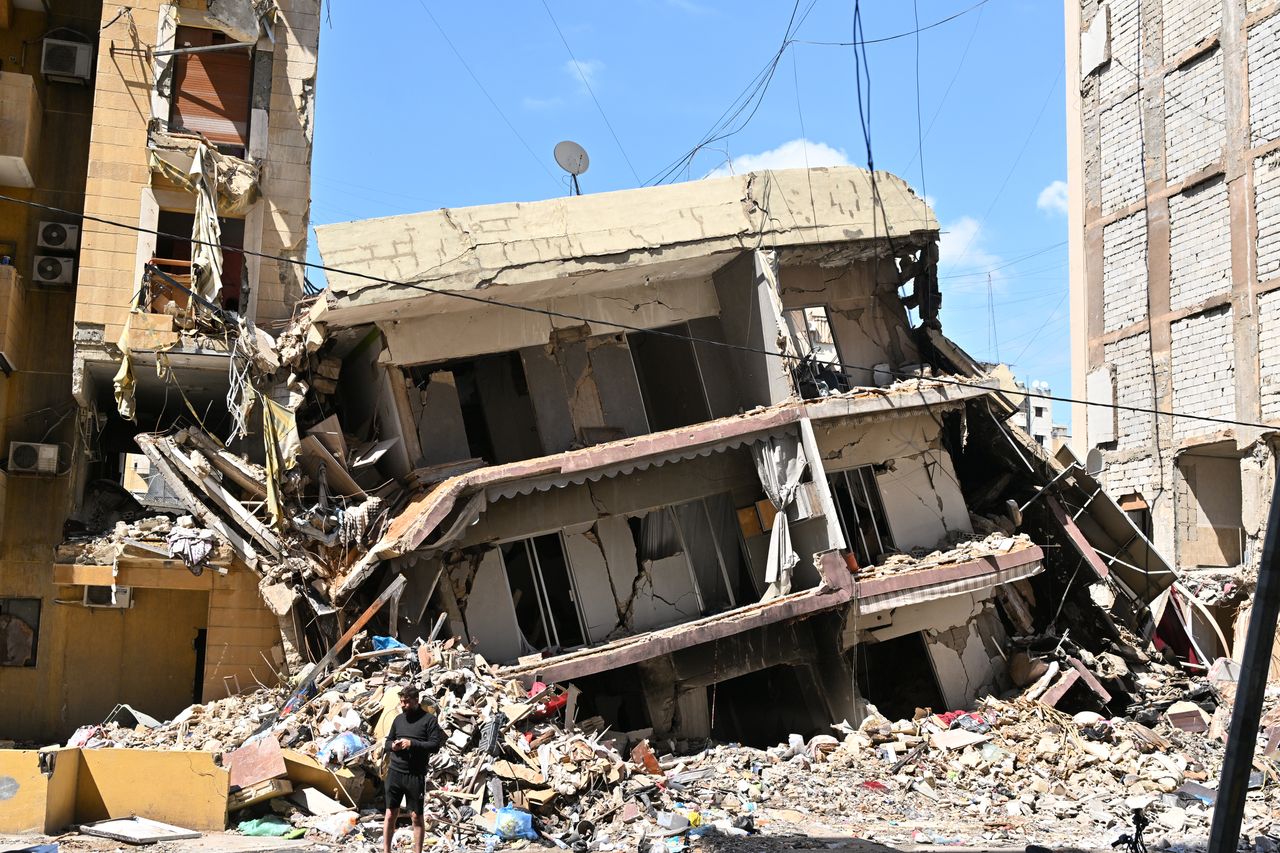
Since March 2, Israeli attacks on Lebanon have killed at least 2,715 people, wounded 8,353 and displaced more than 1.6 million, about one-fifth of the population, according to the latest official figures.
Israel occupies areas in southern Lebanon, including some it has held for decades and others since the 2023-2024 war and has advanced about 10 kilometres inside the southern border during the current conflict.