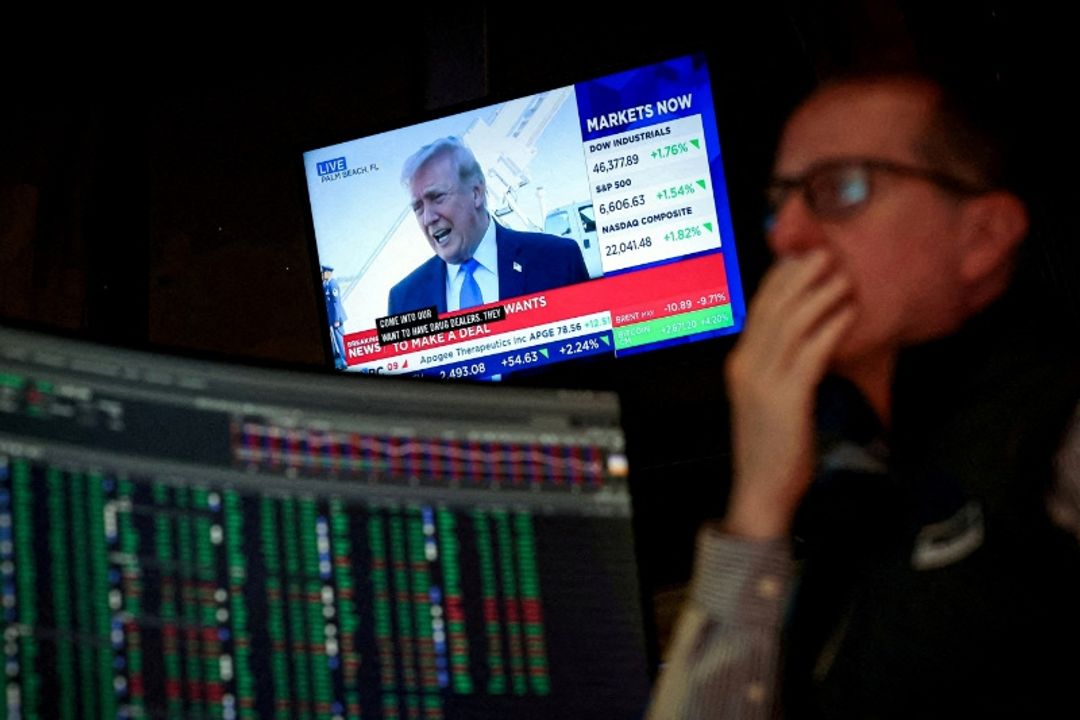
A sell-off in global technology stocks has deepened as investors fear the Democrats’ victory in the US midterm elections could bring tighter restrictions on artificial intelligence investments, sending Asian markets tumbling and European share futures lower.
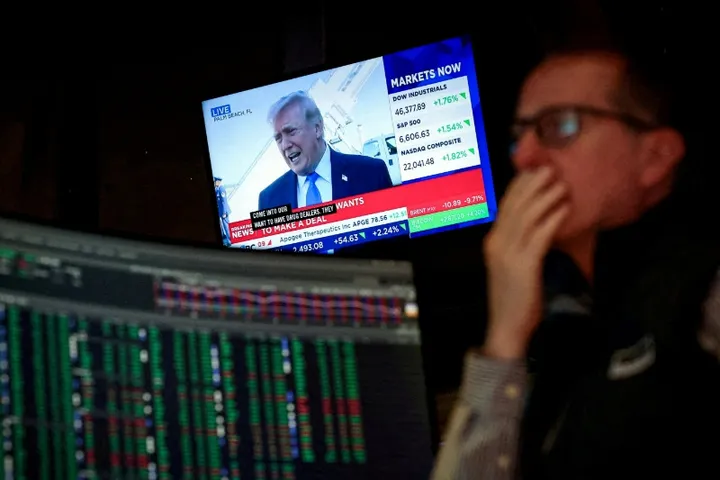
The rout followed a sharp downturn on Wall Street on Thursday, when the Nasdaq Composite sank 5.5 percent, wiping $2.5 trillion off the index. S&P 500 companies lost $3 trillion in market value.
The Nasdaq fell more than 10 percent below its recent peak, entering correction territory, while the Philadelphia Semiconductor Index plunged 12.2 percent.
Investors worry that a Democrat-led Congress could restrict data-centre construction, slowing demand for AI chips and infrastructure. Those concerns have compounded doubts over high valuations, debt-fuelled expansion, and whether massive AI investments will generate sufficient returns.
“There is also clearly an element of panic in the selling, and positioning is making the adjustment much more violent,” said Charu Chanana, chief investment strategist at Saxo.
Asian markets plunge
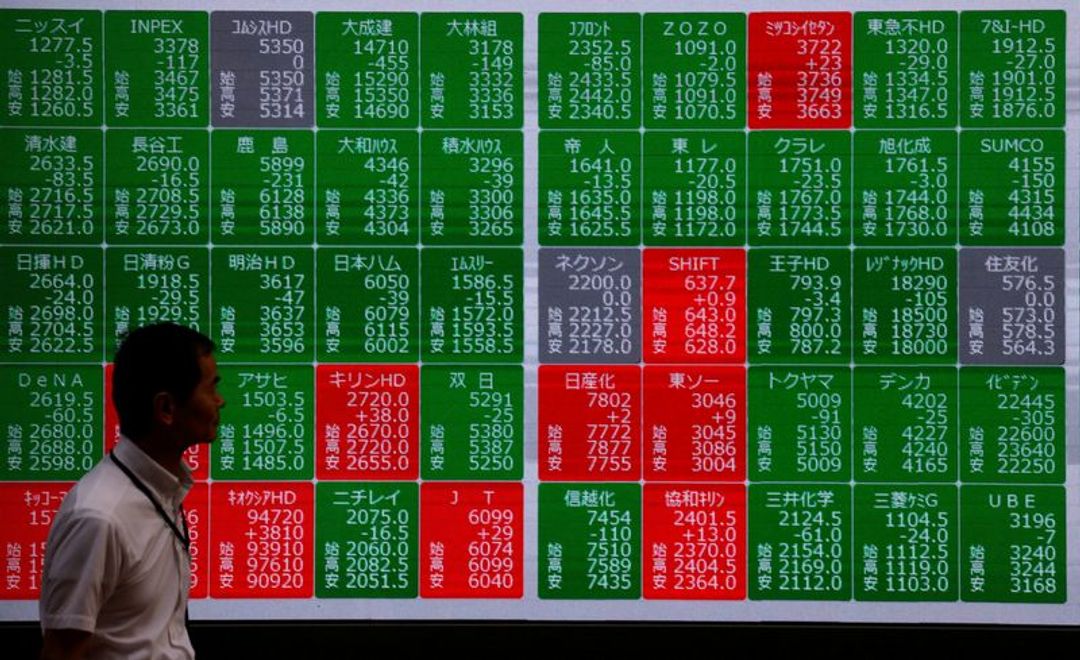
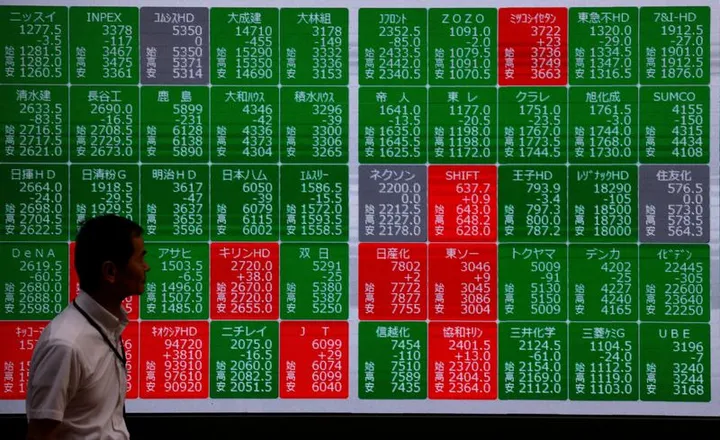
Japan’s Nikkei closed down 6 percent at 57,434.77 on Friday, its steepest daily decline since April 2025. The index lost 9.3 percent over the week, its worst weekly performance since March 2020, and fell more than 20 percent below its June peak, entering bear market territory.
South Korea’s Kospi dropped more than 8 percent in early trading, triggering a 20-minute trading halt. Taiwan’s Taiex also plunged more than 8 percent before recovering to close down 4.51 percent.
Chipmakers led the losses. Samsung Electronics and SK Hynix fell nearly 10 percent and 12 percent, respectively, during trading in South Korea. In Japan, Kioxia plunged 14 percent, while SoftBank Group slid 11 percent.
Taiwan Semiconductor Manufacturing Co. fell as much as 8.5 percent and was later down 4.7 percent. Chinese and Hong Kong markets also declined.
Markets showed signs of stabilising as authorities intervened. South Korea temporarily eased rules on retail investors’ leveraged investments, while sources told Reuters that Taiwan’s finance ministry instructed state-owned banks to support the market.






Europe faces pressure
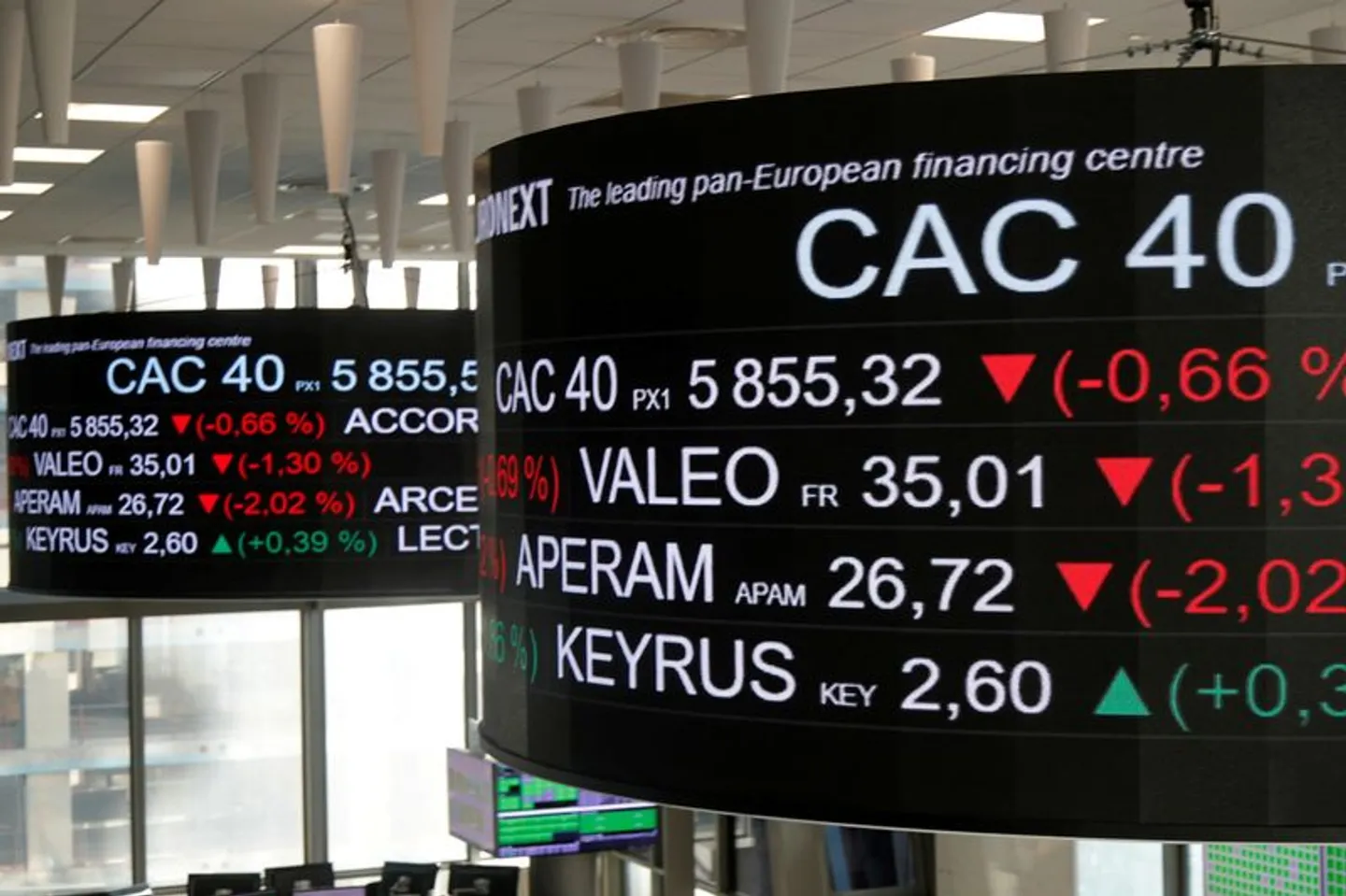
EURO STOXX 50 futures were down 1 percent at 0652 GMT, while contracts tracking German and British benchmarks fell 0.8 percent and 0.9 percent, respectively.
Europe’s STOXX 600 had been relatively resilient because of its smaller exposure to AI stocks. It was up more than 1.3 percent for the week, supported by healthcare companies, banks and better-than-feared earnings.
However, ASML, Infineon, Schneider Electric, and Siemens Energy were expected to remain under pressure as investors moved out of AI-related stocks.

Investors turn to bonds
Concerns also mounted over companies reliant on borrowing to fund AI expansion. CoreWeave slumped 10 percent, while the cost of insuring its debt against default reached a record. SoftBank’s debt insurance costs rose to their highest in four years.
Growing opposition to data centres added to uncertainty. Texas Governor-elect Gina Hinojosa said on Thursday that the state would introduce laws to protect residents, citing the facilities’ impact on rural communities.
Government bonds rose as investors sought safer assets, while the dollar weakened against the yen and Swiss franc.
“This looks more like a reassessment of AI policy risk than a reassessment of the AI cycle,” said Masahiko Loo, chief fixed income strategist at State Street Investment Management.