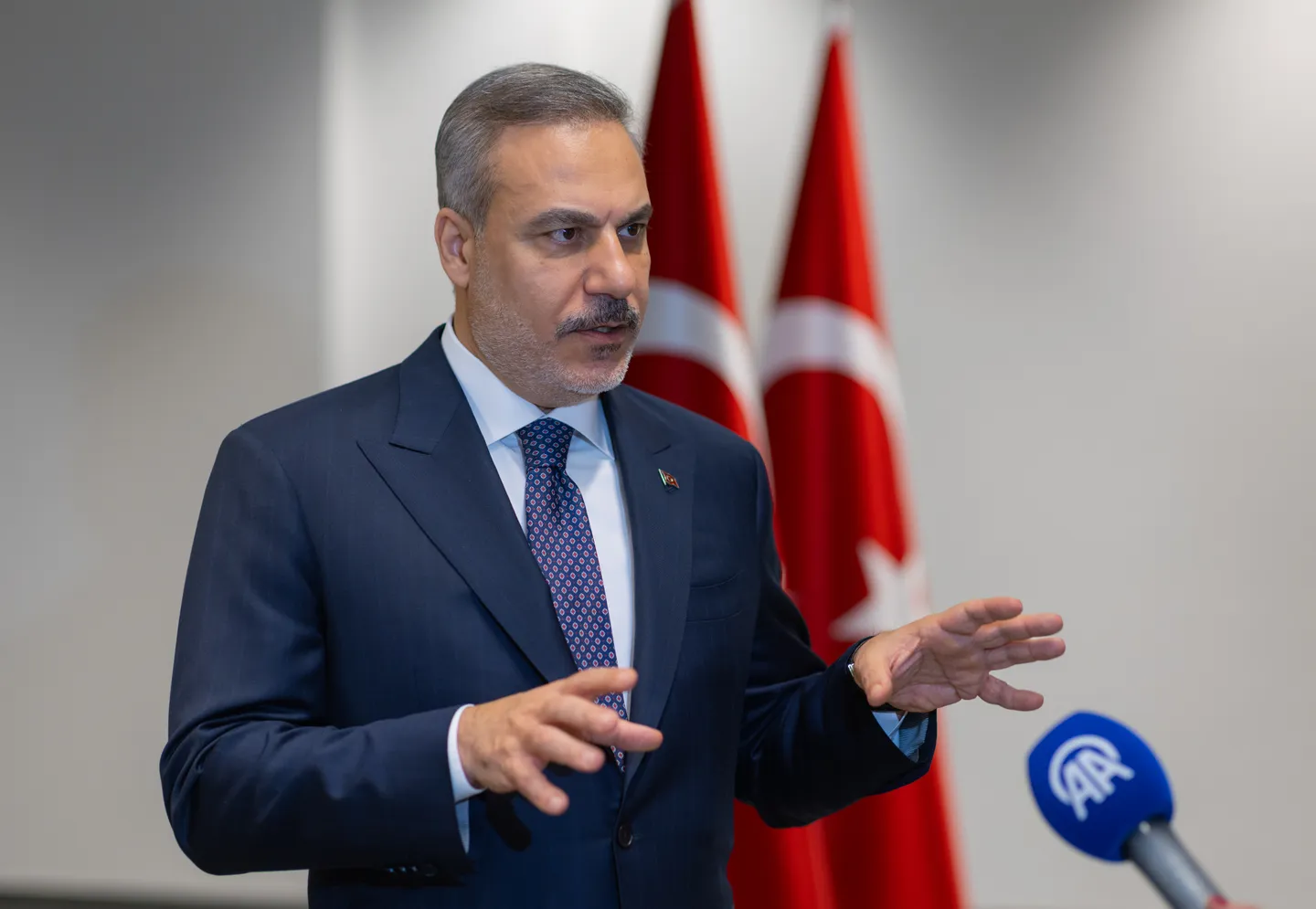
Türkiye must take greater responsibility and lead efforts to strengthen regional connectivity, Foreign Minister Hakan Fidan has said, highlighting Ankara’s strategic position linking Europe, the Black Sea, the Caucasus and Central Asia.
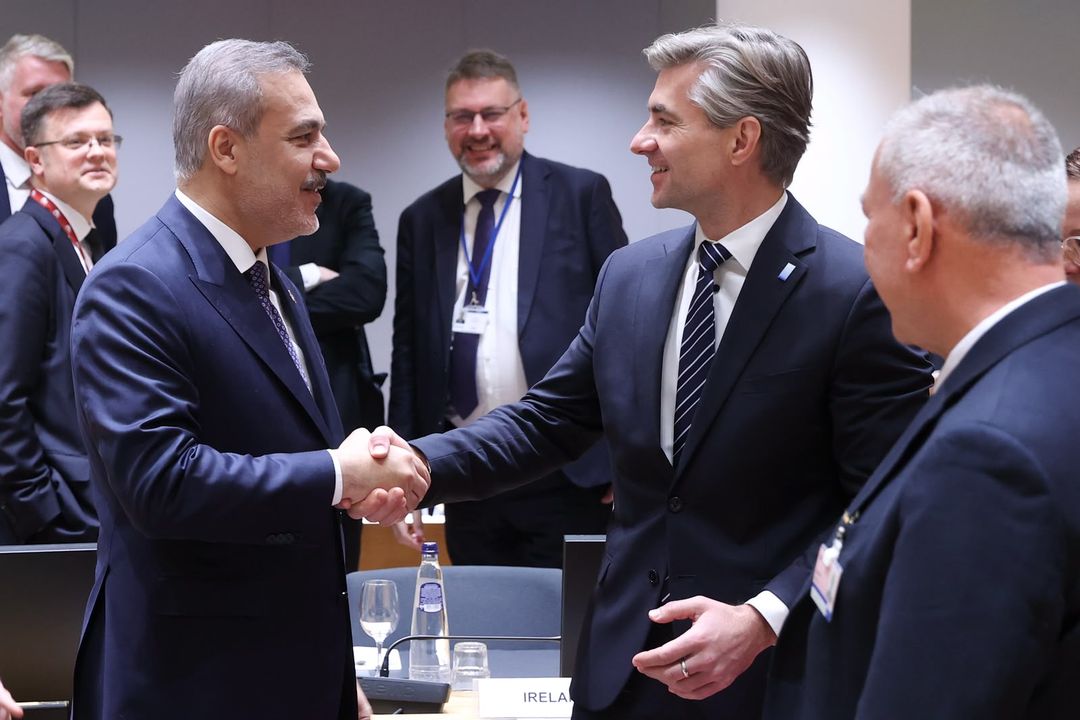
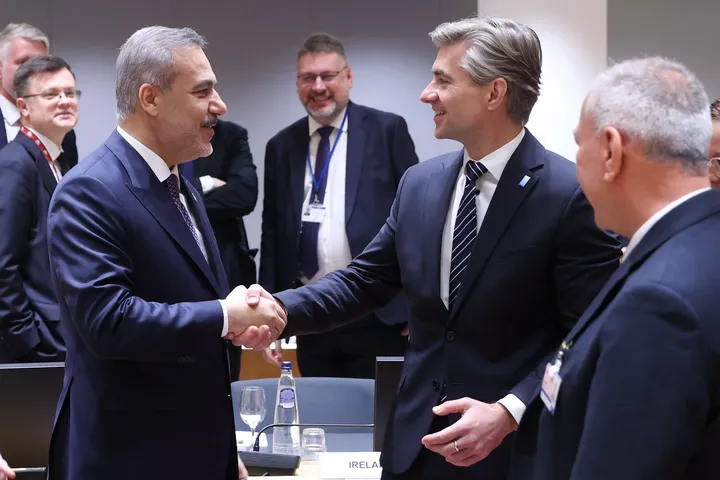
Speaking to Anadolu after the Second Ministerial Meeting on Cross-Regional Security and Connectivity in Brussels, held on the sidelines of the EU Foreign Affairs Council, Fidan said Türkiye’s central role was widely recognised.
“We need to take responsibility commensurate with this role, both by proposing solutions and by taking the lead,” he said.
Fidan described the meeting as significant in its agenda and outcomes, stressing that countries should move beyond developing connectivity strategies and take concrete steps to implement them.
Representatives from EU member states, the Caucasus and Central Asia discussed ways to improve the flow of trade, energy and data across the regions, he said.
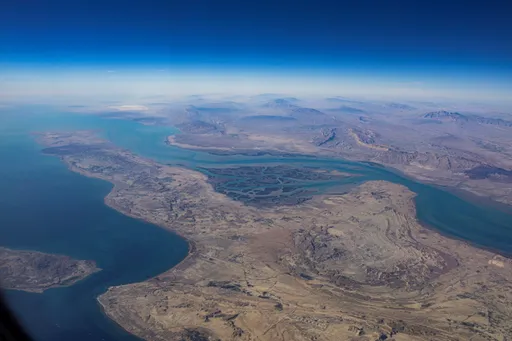
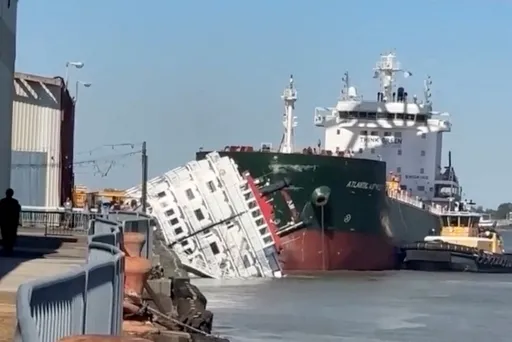
They also examined lessons from disruptions caused by wars and crises in the Strait of Hormuz, the Bab al Mandab Strait and the Black Sea, and ways to make regional connections more resilient.
Fidan said Türkiye served as a strategic hub through the Middle Corridor, connecting Europe with the Black Sea, the Caucasus and Central Asia.
Black Sea grain shipments
On the sidelines of the meeting, Fidan held bilateral talks with officials from Ukraine, Germany, Lithuania, Denmark, Bulgaria, Romania and Moldova.
He said diplomatic efforts were continuing to resume grain shipments through the Black Sea, adding that Ankara was discussing the issue with both Moscow and Kiev, as well as European partners.
“We are looking into how grain can once again reach global markets,” he said.
Fidan said Türkiye had also proposed measures to facilitate grain exports, particularly to help meet the needs of poorer countries. He said part of the proposals had been finalised during the Brussels meeting.
The issue directly affected Black Sea countries, including Bulgaria and Romania, he added.
Fidan said Ankara was discussing a possible formula with the relevant parties but that it was too early to disclose details. He noted that Russia opposed an interim agreement on Black Sea arrangements without a permanent peace deal with Ukraine.
Donbass dispute remains key obstacle




Fidan also discussed US-mediated negotiations between Russia and Ukraine in the United Arab Emirates, saying fundamental disagreements remained unresolved.
Türkiye had hosted several rounds of talks in the same format and remained in contact with both sides, he said.
“I believe it is my duty to inform the relevant public that the substance of the issue remains unresolved,” Fidan said.
He said Russia was seeking control of the remaining part of the Donbass region, which Moscow considers its territory, while Ukraine was unwilling to cede land it regards as part of its homeland.
Fidan identified the territorial dispute as a central obstacle to a peace agreement, saying the two sides had different assessments of the territory still in question.
“According to the Russian definition, 11 to 12 percent of the territory remains; according to the Ukrainians, the figure is 18 percent,” he said.
He added that a settlement would need to establish a clear future line of contact between Russian and Ukrainian forces, with the Donbass issue remaining the most critical point in the negotiations.
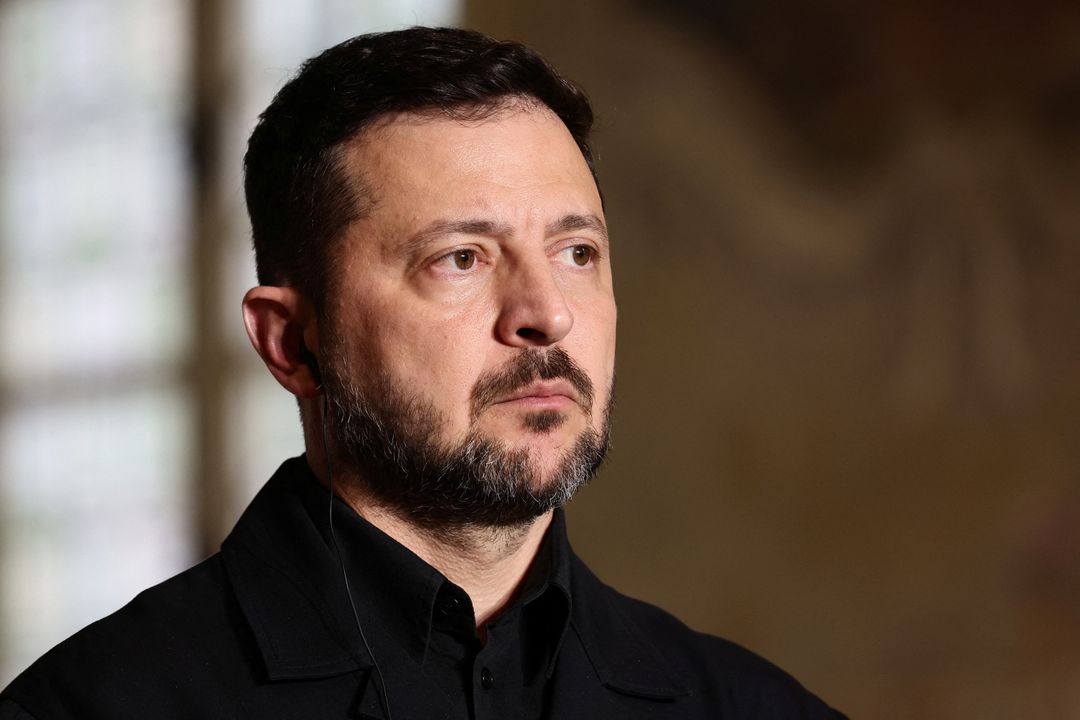
Security guarantees and European architecture
Fidan said security guarantees sought by both sides were another major issue, adding that any settlement would also reshape relations between Russia and Europe.
The future European security architecture should therefore be discussed openly and in concrete terms, he said.
He noted that Türkiye had presented proposals to the parties and that President Recep Tayyip Erdogan had extensive experience in diplomatic efforts.
Fidan listed the key issues as the line of contact, the Donbass dispute, security guarantees, a new security architecture between Europe and Russia, and the future of sanctions and Russia’s frozen assets as Ukraine rebuilds.
Reaching agreement on all these issues in a way that satisfied every party would be difficult, he said.
Fidan also stressed the importance of maintaining maritime security and freedom of navigation in the Black Sea while diplomatic efforts to end the war continued.
He said Türkiye hoped its proposals would help find a way forward, adding that Ankara was discussing them with the relevant parties and could share details if they were implemented in the coming days.