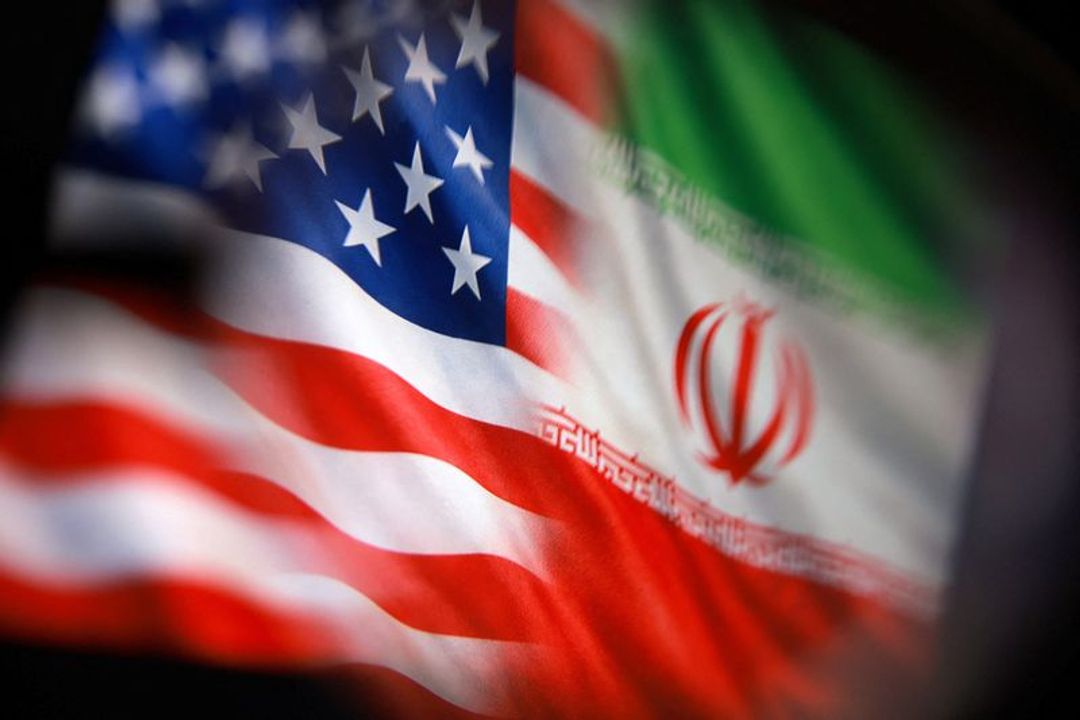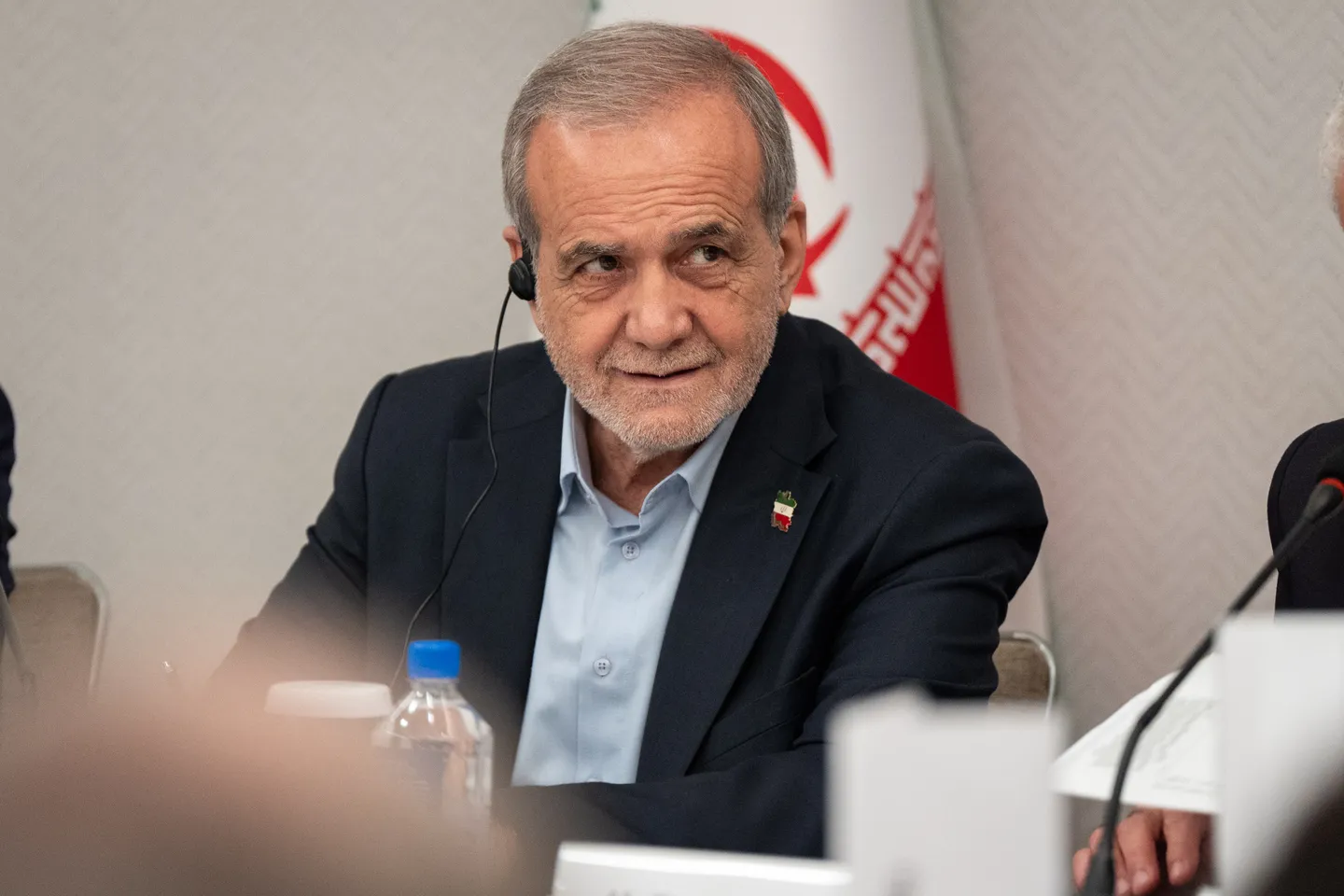
Iranian President Masoud Pezeshkian has said Iran’s economic problems have sharply worsened since its war with the US and Israel.
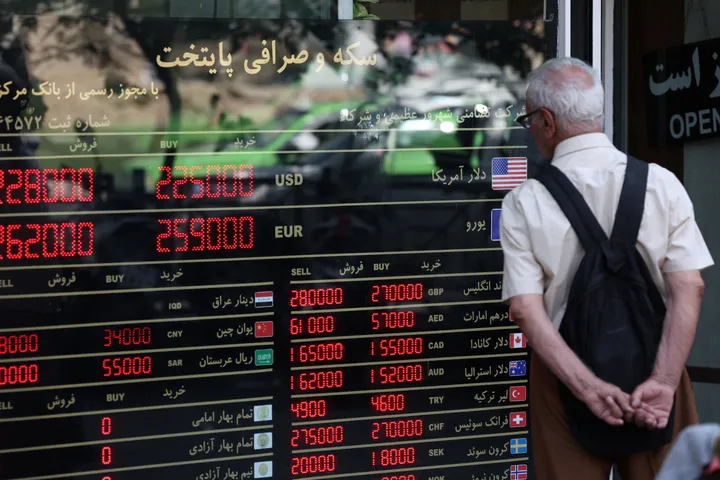
He said during a meeting that rising prices are driven by higher import costs and falling state revenues caused by reduced oil sales, according to Iranian media.
Pezeshkian says imported goods once entered Iran through more direct routes, but now take longer and more expensive routes, pushing up prices.
He also underlined that declining oil sales have cut government revenues, with Iran unable to sell oil at previous levels.
"Our income has also decreased. We used to sell oil, now we can't," Pezeshkian said.
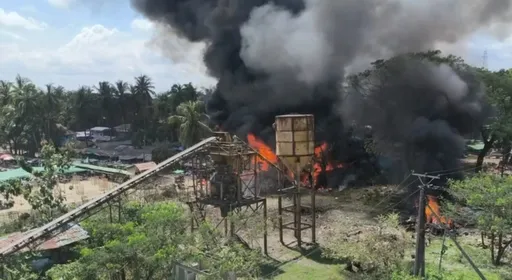
Damage to industrial facilities has added to the economic strain, the Iranian leader noted, as many factories were hit and destroyed during the Israel-US attacks.
Pezeshkian noted that the damage has also reduced tax revenues, leaving the government struggling to collect payments from affected factories.
"We can't collect taxes from factories, and not only that, we have to give them money so they can stay afloat," the Iranian president said.
“Our problems have worsened dramatically, while our income has declined,” Pezehskian said.



Israel-US war on Iran
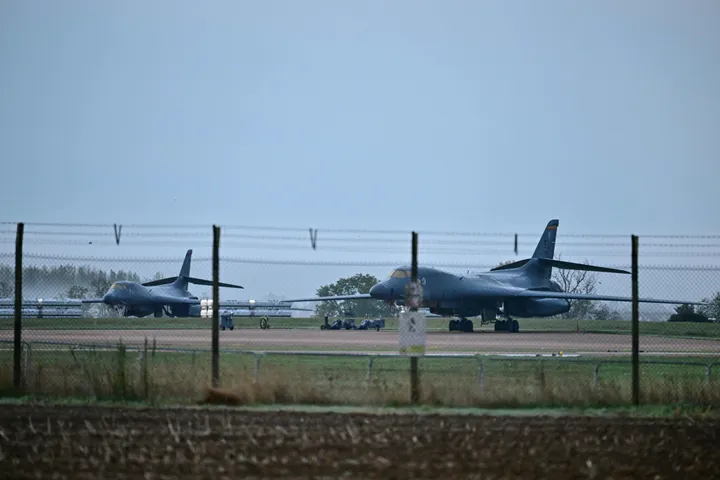
US and Israel launched joint strikes on Iran on February 28, 2026, killing Supreme Leader Ali Khamenei and targeting leadership, military and infrastructure sites.
Iran retaliated with missiles and drones against Israel, US bases and regional targets, with Iranian authorities reporting more than 3,500 deaths.
Iran severely disrupted the Strait of Hormuz, choking a major global oil route and reducing shipping to a trickle for months.
The disruption triggered a historic oil-supply shock, pushing Brent above $100 a barrel at times and sharply raising shipping and insurance costs.
The crisis disrupted global trade, increased inflation pressures and raised concerns over slower economic growth worldwide.