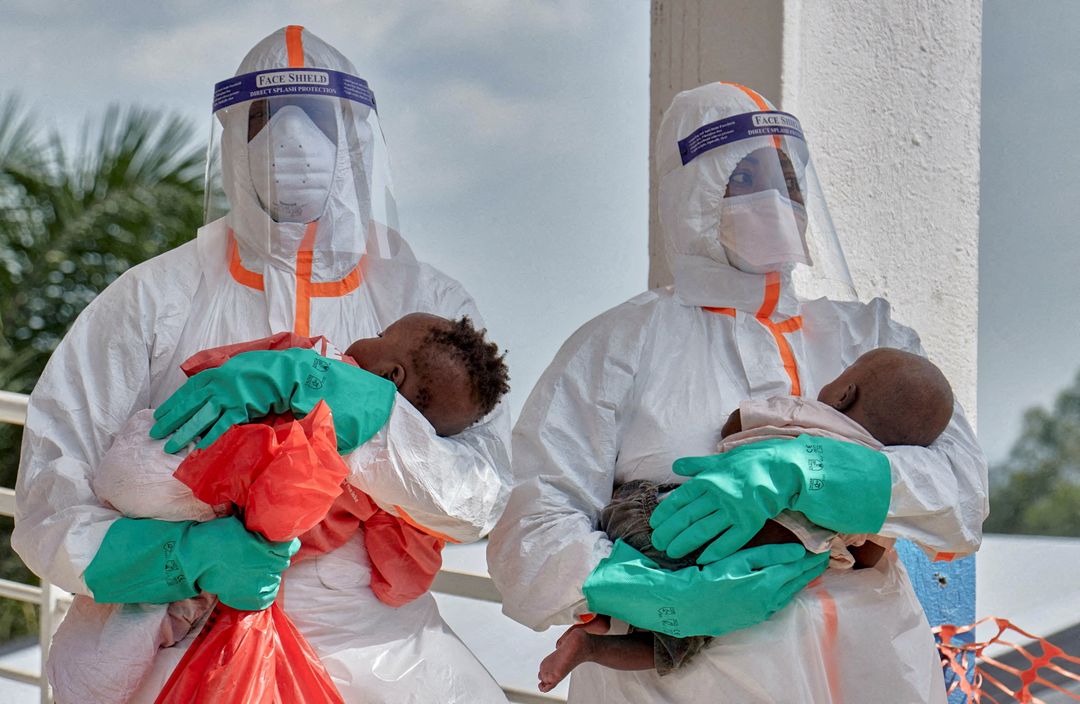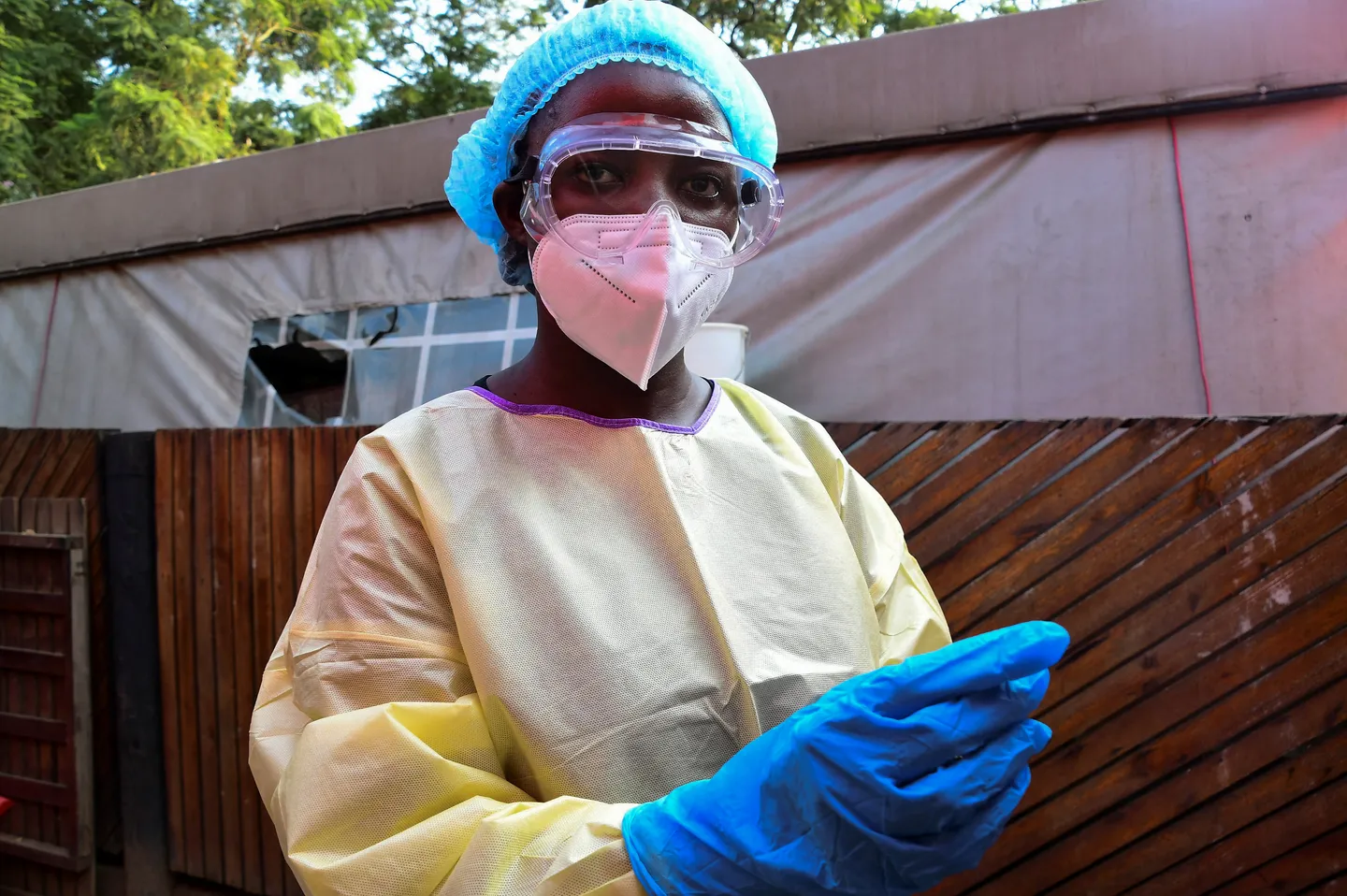
Nigeria has confirmed its first Ebola case in the latest outbreak, while Kenya reported its ninth infection, raising concerns about the spread of the deadly disease across Africa.
Nigeria’s case involves a woman who travelled from Uganda to the capital, Abuja, and was diagnosed after receiving treatment at a private hospital for several days, Health Minister Muhammad Ali Pate said on Tuesday. She is in isolation and receiving medical care, while authorities have identified 44 close contacts for monitoring.
Kenya’s latest case is a 24-year-old man who tested positive while in quarantine after developing symptoms. He is a close relative of the first confirmed patient, who died in Nairobi on October 5, the Health Ministry said.
Kenya has recorded nine cases, including one death. Authorities said all infections remain within a single cluster, with no evidence of transmission beyond it. They have traced and quarantined 134 of 135 identified contacts and said eight surviving patients were responding positively to treatment.
The outbreak, caused by the rare Bundibugyo virus, now affects four countries — the Democratic Republic of the Congo, Uganda, Kenya and Nigeria — and has so far infected about 9,400 people and killing at least 4,500, according to figures cited in reports.
‘Most geographically widespread outbreak’
Jean Kaseya, director general of the Africa Centres for Disease Control and Prevention (Africa CDC), warned that the outbreak had become the most geographically widespread Ebola outbreak in history, affecting multiple countries across three African regions.
“With mortality approaching 50% in DRC, we face an extremely serious threat,” Kaseya said on X, urging the international community to provide funding, medical supplies and health workers.
There is no approved vaccine or drug for the current strain, and the World Health Organization (WHO) has warned that the outbreak continues to outpace efforts to track and contain it.
The first clinical trial of a potential vaccine is expected to begin by the end of October, according to WHO.
Ervebo, a vaccine already approved for use against the more common Zaire strain of Ebola, will undergo a full-scale human trial in the DRC to see if it offers any cross-protection against Bundibugyo.





Two vaccines specifically for Bundibugyo are also being developed, one by the University of Oxford and another by the US-based Moderna group. They are currently in the early stages of testing in smaller-scale clinical trials.
Capobianco, director of global health security at Gavi, told RFI they have the potential to save lives in this and future Ebola outbreaks.
Psychological toll on communities
Beyond the immediate health risks, the outbreak is worsening the hardships faced by communities in eastern DRC, where conflict, crisis and severe malnutrition have already left many people vulnerable.
Mirella Riccardi, a mental health specialist with Doctors Without Borders, said Ebola had compounded the psychological distress of people living in areas already devastated by conflict and deprivation.
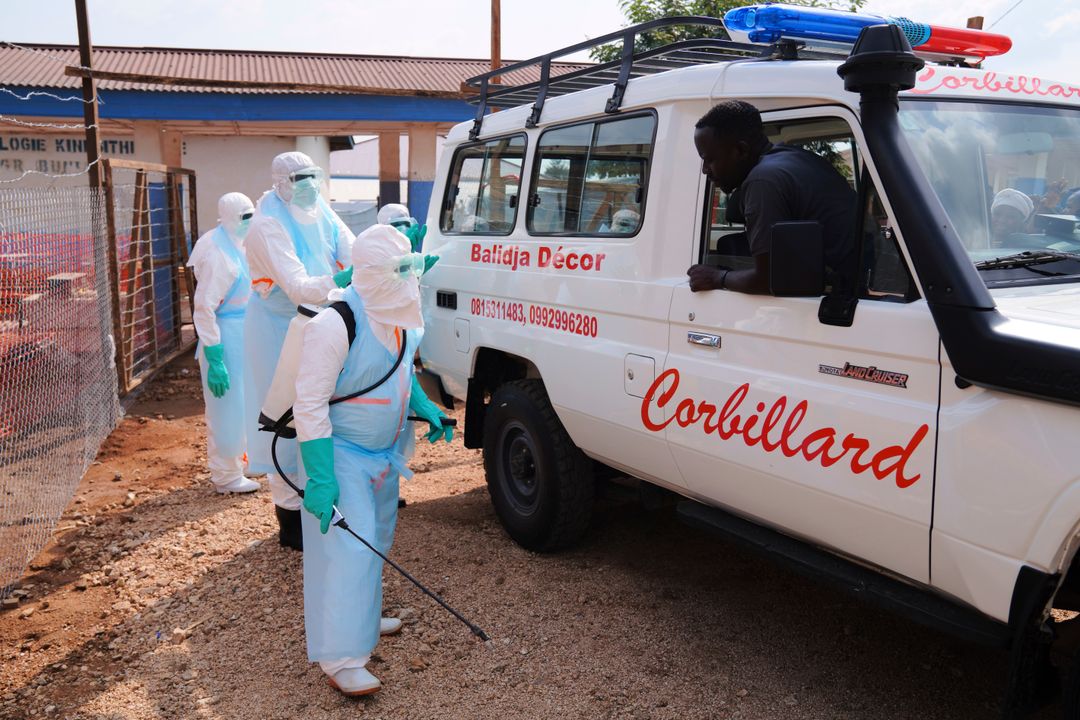
A Congolese teacher whose family experienced suspected Ebola symptoms recalled feeling abandoned as neighbours kept their distance until responders took sick relatives to a clinic and disinfected their home.
“It felt as though we were living all alone because of the illness,” she said. “It has caused severe trauma within our family.”
The psychological effects of Ebola outbreaks can persist long after the immediate crisis, according to the WHO, with survivors and affected families experiencing anxiety and mood disorders.