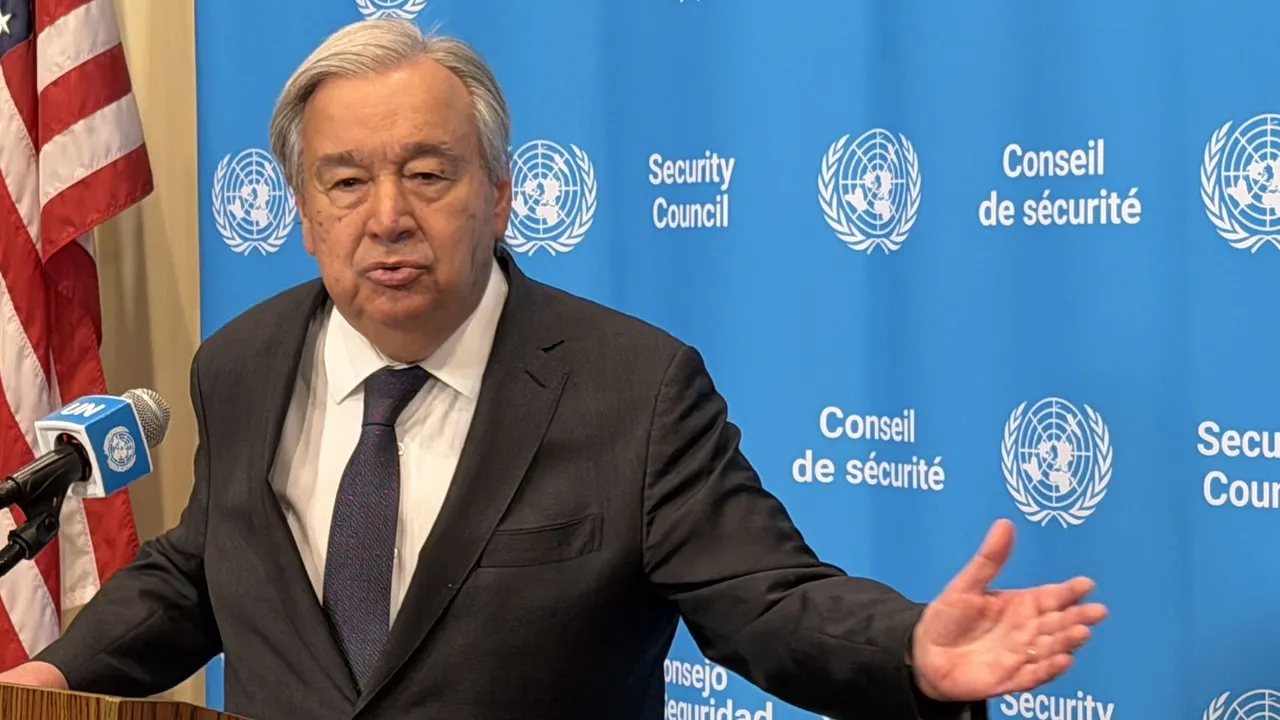
UN Secretary-General Antonio Guterres has warned that an "alarming disregard for international law" is fueling a growing number of conflicts and worsening crises across the Middle East, with the region facing "devastating consequences."
"Today, conflicts are increasing in number, complexity, length and scope," Guterres told the United Nations Security Council on Thursday.
"Impunity is spreading. Violations are going unanswered."
Warning that "the situation is getting out of control," he said, "It is teetering on the edge of the unimaginable."
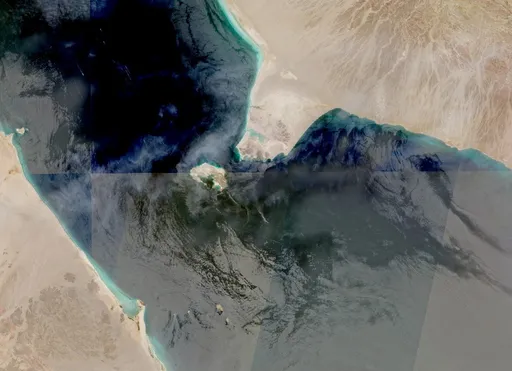
Urging the restoration of navigational rights and freedoms around the Strait of Hormuz and Bab al Mandeb, he said, "International navigational rights and freedoms in and around the Strait of Hormuz and Bab al Mandeb must be fully restored."
"Diplomacy is the only way forward," added Guterres.
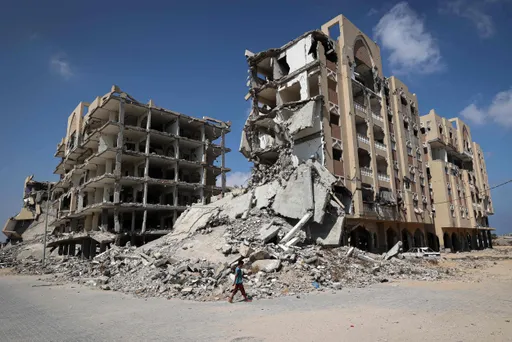
Turning to Gaza, Guterres said civilians continue to pay a heavy price despite a ceasefire, with victims being killed in their homes and communities "as Israel increases its control of Gaza."
"At the same time, living conditions remain intolerable, and horrific diseases are spreading, with humanitarian operations heavily impeded," he said.
‘Creeping annexation’
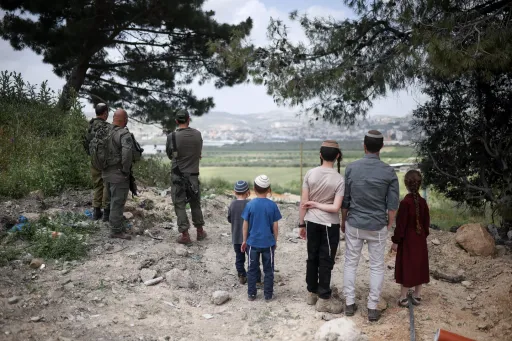
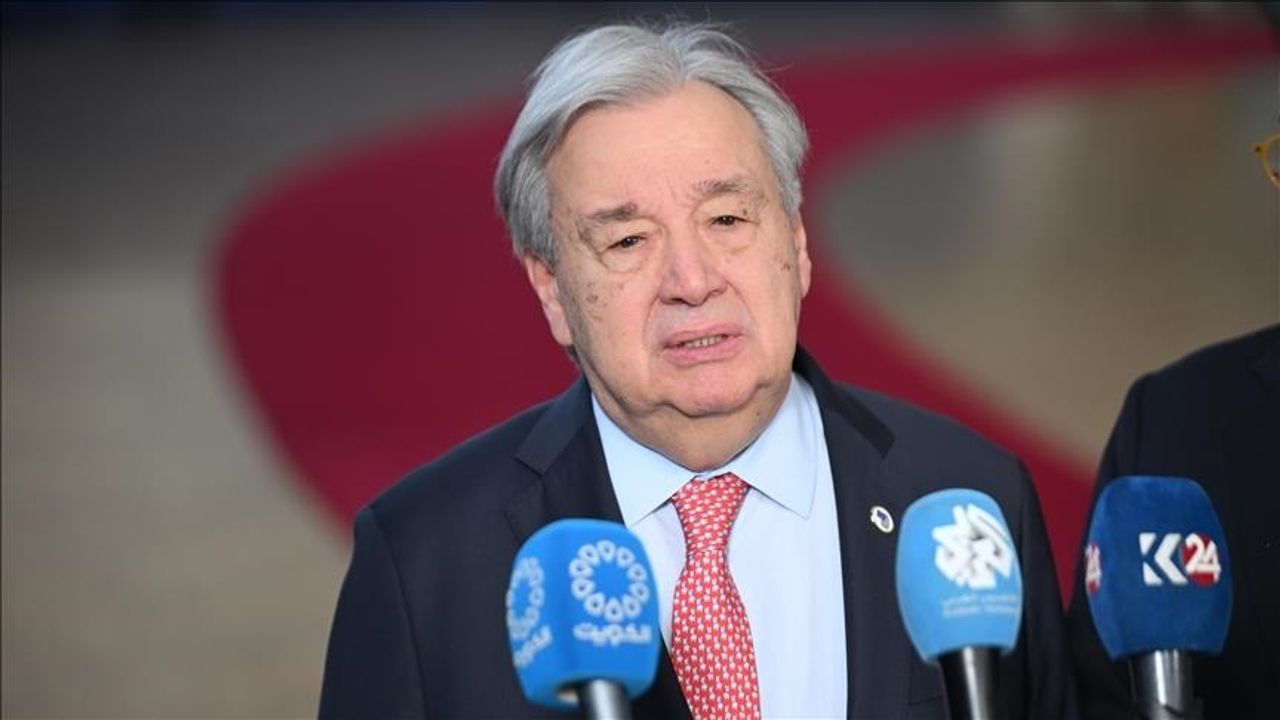
In the occupied West Bank, Guterres warned of "creeping annexation" amid violence, extensive Israeli military attacks, illegal settlers' expansion, and "large-scale displacement."

"The region is being pulled into an ever-widening circle of confrontation," he said.
Stressing that diplomacy "still holds the power to stop" crises across the globe, Guterres suggested six areas to improve the UN's collective mechanisms.
"First, by strengthening the full range of good offices and mediation support of the UN secretariat," he said, and continued by listing the second as the need "to use our network of regional offices and envoys to its full potential, and expand where appropriate."
Noting that the conflicts "are increasingly regional in nature," Guterres said, "Preventive diplomacy and peacemaking must be, too," and pointed to the importance of regional offices and envoys.
‘Divisions cannot justify inaction’
"Third, this Council must not lose sight of its responsibility to act early and decisively," Guterres said, adding that the fourth improvement should be the Council engaging "more regularly in fact-finding."
"Very often, lack of Council unity stems from different interpretations of what is actually happening on the ground," he said.
Noting the importance of UN Resolution 2788 as the fifth improvement, he said it "emphasises the importance of integrating inclusive approaches to the peaceful settlement of disputes."
Guterres urged member states to do their “part," and said, "No diplomatic initiative is in vain. No attempt at dialogue is futile."
Urging the Council to "lead by example," he said, "Geopolitical divisions cannot justify inaction or renunciation."