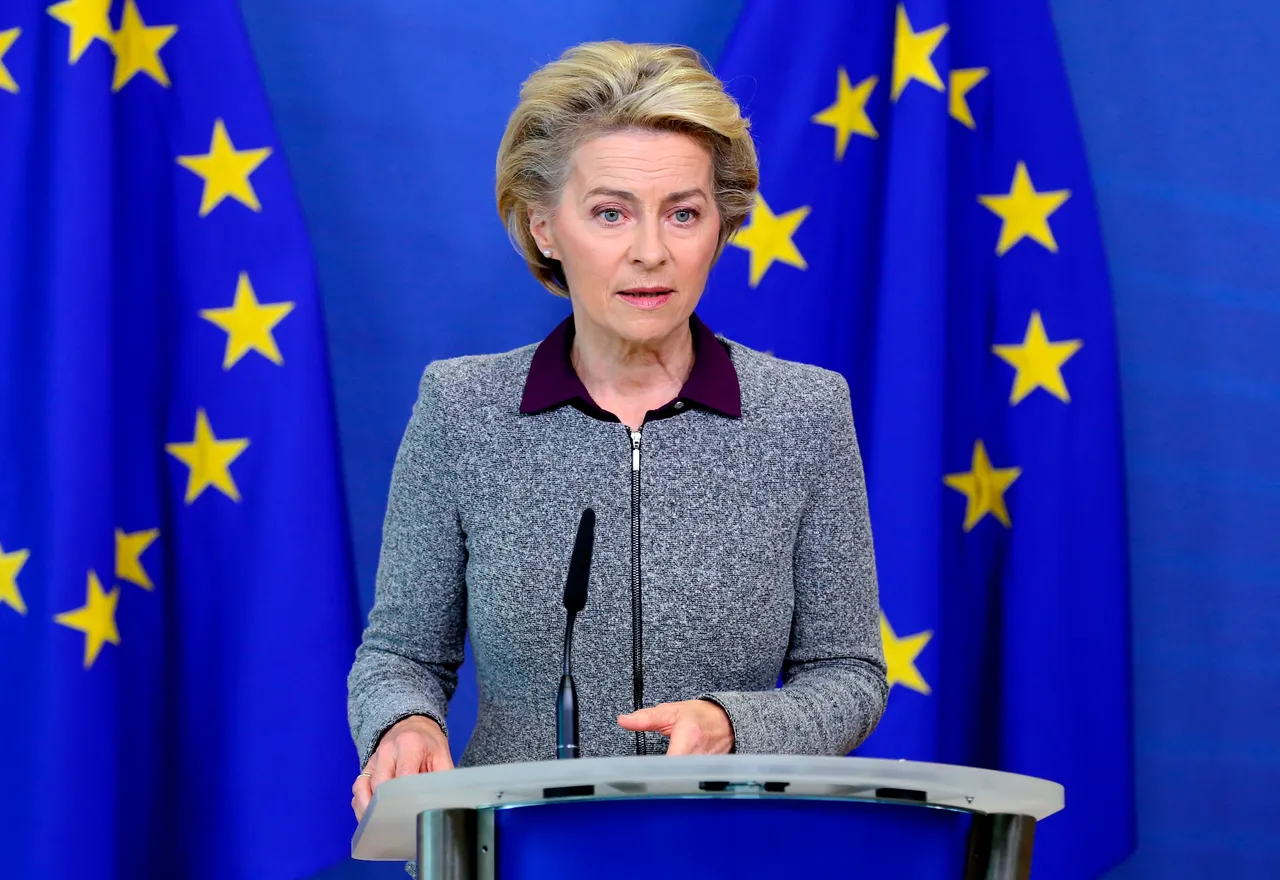
EU Responds Firmly to US Tariffs on Steel and Aluminium
Brussels, Belgium – In a significant escalation of transatlantic tensions, European Union (EU) chief Ursula von der Leyen condemned US President Donald Trump's recent decision to impose a hefty 25 percent tariff on steel and aluminium imports, set to take effect on March 12. The EU has vowed to retaliate against what it deems unjustified tariffs, signaling a potential trade conflict that could have far-reaching implications for both economies.
EU's Commitment to Protect Economic Interests
In a statement released shortly after the announcement of the tariffs, von der Leyen emphasized the EU's commitment to safeguarding its economic interests. "The EU will act to safeguard its economic interests. We will protect our workers, businesses, and consumers," she asserted, highlighting the bloc's determination to respond decisively to the US's unilateral trade measures.
Von der Leyen further criticized the tariffs, describing them as "taxes" that would ultimately harm businesses and consumers alike. "Tariffs are taxes, bad for business, worse for consumers," she stated, underscoring the negative impact such measures could have on the broader economy. The EU chief's remarks reflect a growing concern among European leaders about the potential fallout from the US's protectionist policies.
Firm and Proportionate Countermeasures on the Horizon
The EU's response is not merely rhetorical; von der Leyen warned that the imposition of tariffs would not go unanswered. "Unjustified tariffs on the EU will not go unanswered; they will trigger firm and proportionate countermeasures," she declared. This statement sets the stage for a potential tit-for-tat exchange that could escalate tensions between the two economic powerhouses.
The EU's commitment to retaliate is rooted in a desire to maintain a level playing field in international trade. European leaders are keenly aware that trade wars can have devastating consequences, not just for the countries involved but for the global economy as a whole. As von der Leyen and other EU officials prepare to respond, the focus will be on crafting measures that effectively counter the US tariffs while minimizing harm to European businesses and consumers.
Germany's Chancellor Weighs In





In Germany, the EU's largest economy, Chancellor Olaf Scholz echoed von der Leyen's sentiments during a parliamentary session. He stated that if the US leaves the EU with no other choice, the bloc would respond in a united front. "If the US leaves us no other choice, then the European Union will react united," Scholz affirmed, emphasizing the importance of solidarity among EU member states in the face of external pressures.
Scholz's remarks reflect a broader consensus among European leaders regarding the need for a coordinated response to US trade policies. The chancellor also warned that trade wars ultimately cost both sides prosperity, a sentiment that resonates with many economists who fear the long-term consequences of escalating tariffs and trade barriers.
Potential Impact on Global Trade Dynamics
The imposition of tariffs by the US is likely to have ripple effects throughout the global economy. Analysts warn that such protectionist measures could lead to increased prices for consumers and businesses alike, as the costs of imported steel and aluminium rise. Additionally, the potential for retaliatory tariffs from the EU could disrupt established trade relationships and supply chains, further complicating the economic landscape.
As the EU prepares to respond, the focus will be on identifying sectors that could be targeted for countermeasures. European officials are likely to consider tariffs on US goods that are politically sensitive or economically significant, aiming to maximize the impact of their response while minimizing harm to their own industries.
A Call for Dialogue and Cooperation
Despite the escalating tensions, there remains a call for dialogue and cooperation between the US and the EU. Many leaders on both sides of the Atlantic recognize the importance of maintaining open lines of communication to address trade disputes and prevent further escalation. The hope is that through negotiation and diplomacy, a resolution can be reached that benefits both economies and fosters a more stable global trading environment.
In the coming weeks, the EU will likely intensify its efforts to engage with US officials to discuss the implications of the tariffs and explore potential avenues for compromise. The stakes are high, and both sides will need to navigate the complexities of international trade with care to avoid a full-blown trade war that could have dire consequences for millions of workers and consumers.
As the situation unfolds, the world will be watching closely to see how the EU and the US navigate this challenging moment in their economic relationship. The outcome will not only shape the future of transatlantic trade but could also set a precedent for how countries respond to protectionist policies in an increasingly interconnected global economy.