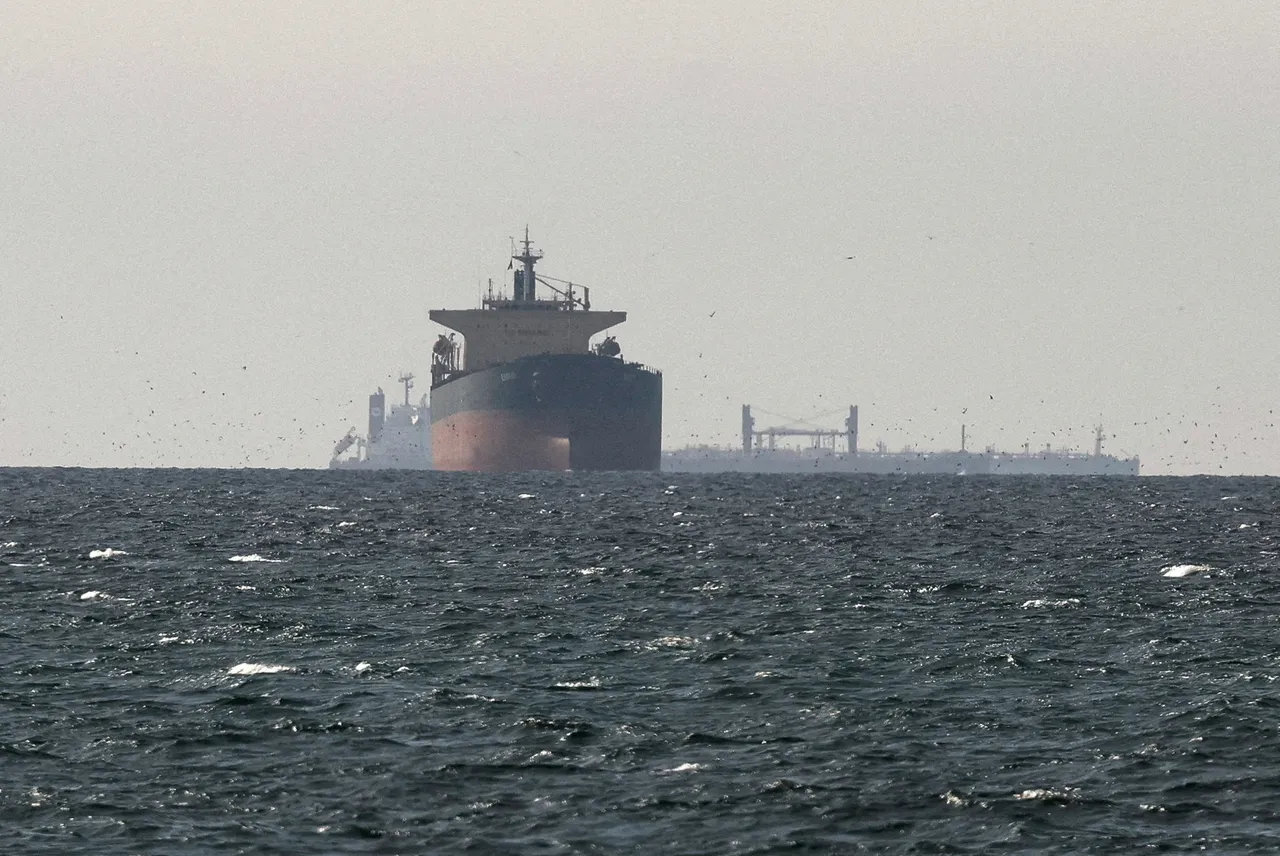
Ships have begun sailing through the Strait of Hormuz under a new scheme by the UN's shipping agency to evacuate vessels trapped there by the conflict.
"Ships have already begun to pass under the plan," the International Maritime Organization said on Wednesday, declining to provide any details of the vessels that had crossed.
The initiative, which has taken months to conclude, will enable hundreds of ships with some 11,000 seafarers stranded in the Gulf to sail through Hormuz, the IMO said on Tuesday.
At least two dry bulk ships and one cargo ship have sailed through Hormuz under the scheme in the past 12 hours, LSEG ship tracking data showed on Wednesday.
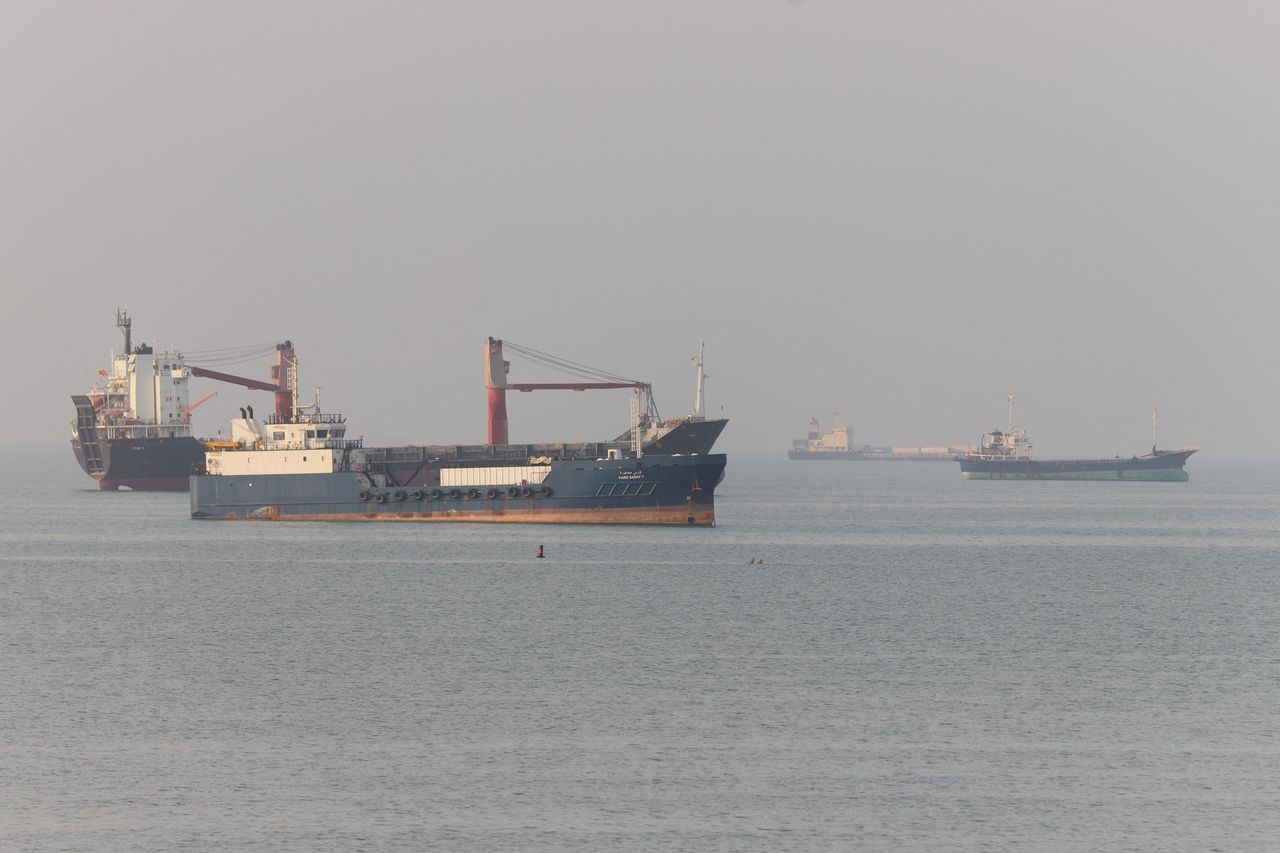
At least 35 other commercial ships, mainly dry bulk, cargo and container vessels were preparing to sail through the strait, according to LSEG and MarineTraffic ship tracking data based on Reuters analysis of ship movements.
Those vessels are smaller commercial ships, including five smaller oil tankers, coastal ships and tugs, according to analysis of the vessels waiting.
Under the scheme, which the IMO said was able to begin after the US and Iran reached a ceasefire framework, vessels will be able to use two tracks to sail out - a northern route via Iranian waters and a southern route via "the Sultanate of Oman/United States-coordinated waters".
‘Vessels should wait for instructions before proceeding’
"Vessels should wait for instructions before proceeding," the IMO said in a note on the scheme issued on Wednesday.
"Crowding the waiting area will only result in the need to pause further notifications for the safety of navigation."
In recent weeks, the US military had launched a mission to help ships out of the strait.
On June 14, Iran and the US announced that they had reached a 14-point understanding mediated by Pakistan, aimed at ending the war and addressing outstanding disputes through dialogue and negotiations.
The memorandum entered into force on June 18 after being electronically signed by Iranian President Masoud Pezeshkian and US President Donald Trump.
The agreement includes provisions related to ending the war, including in Lebanon, reopening the Strait of Hormuz, and lifting the US naval blockade imposed on Iran.