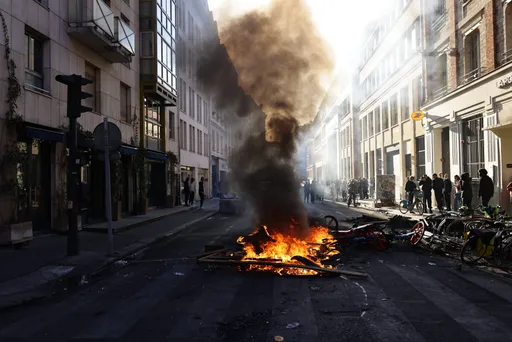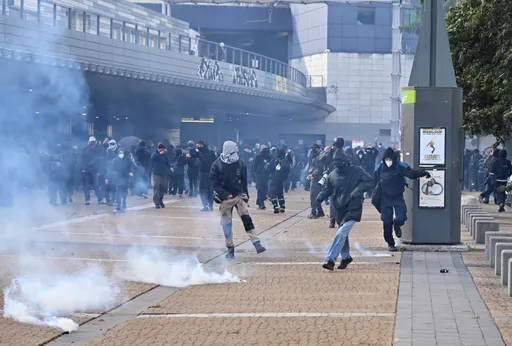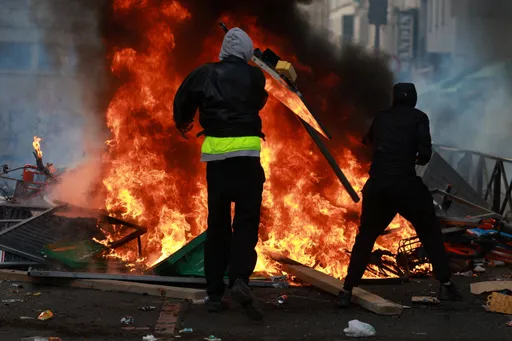
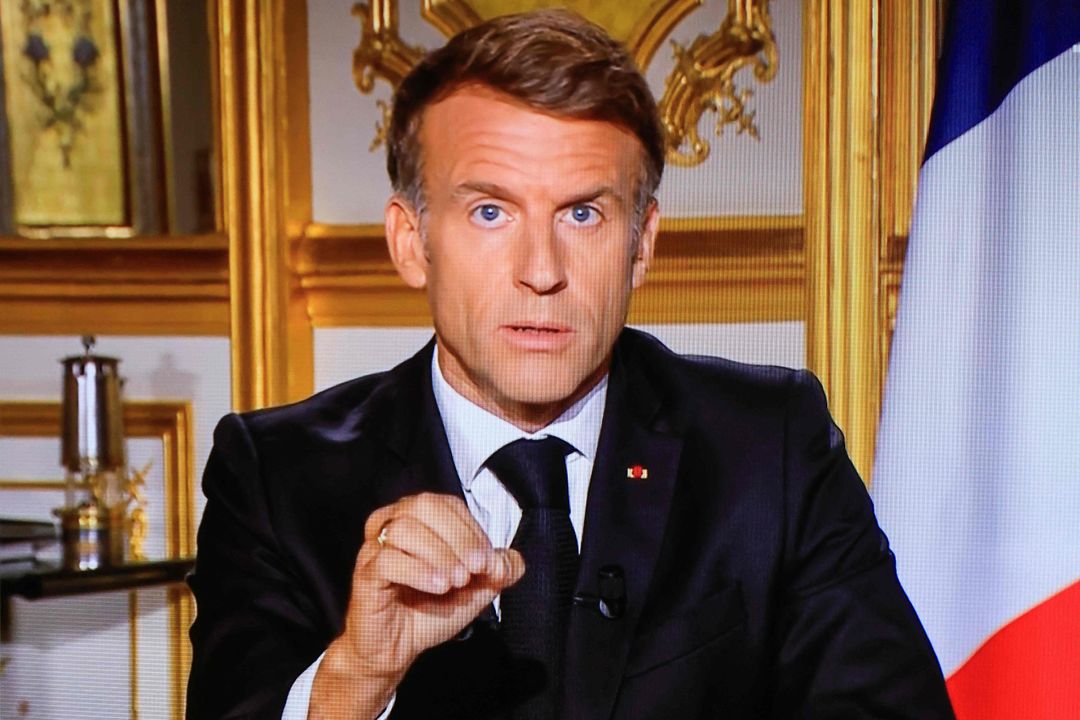
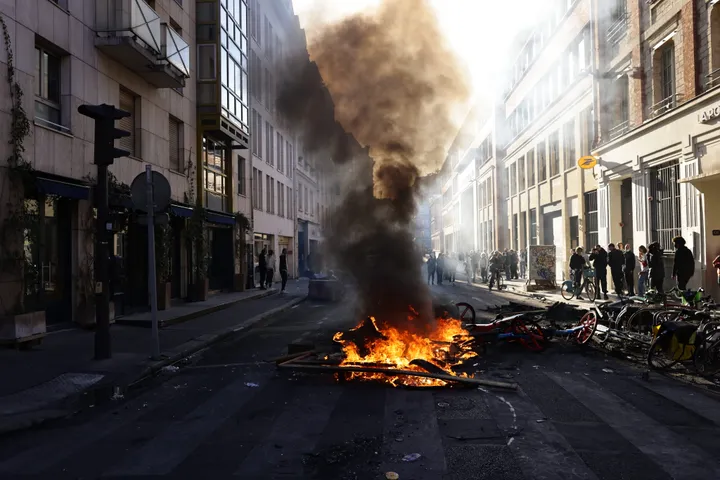
French President Emmanuel Macron has begun a Gulf tour to seek additional oil and diesel supplies and help ease soaring fuel costs, following a weekend of violent protests over the cost of living that saw more than 2,500 arrests, according to the supplied report.
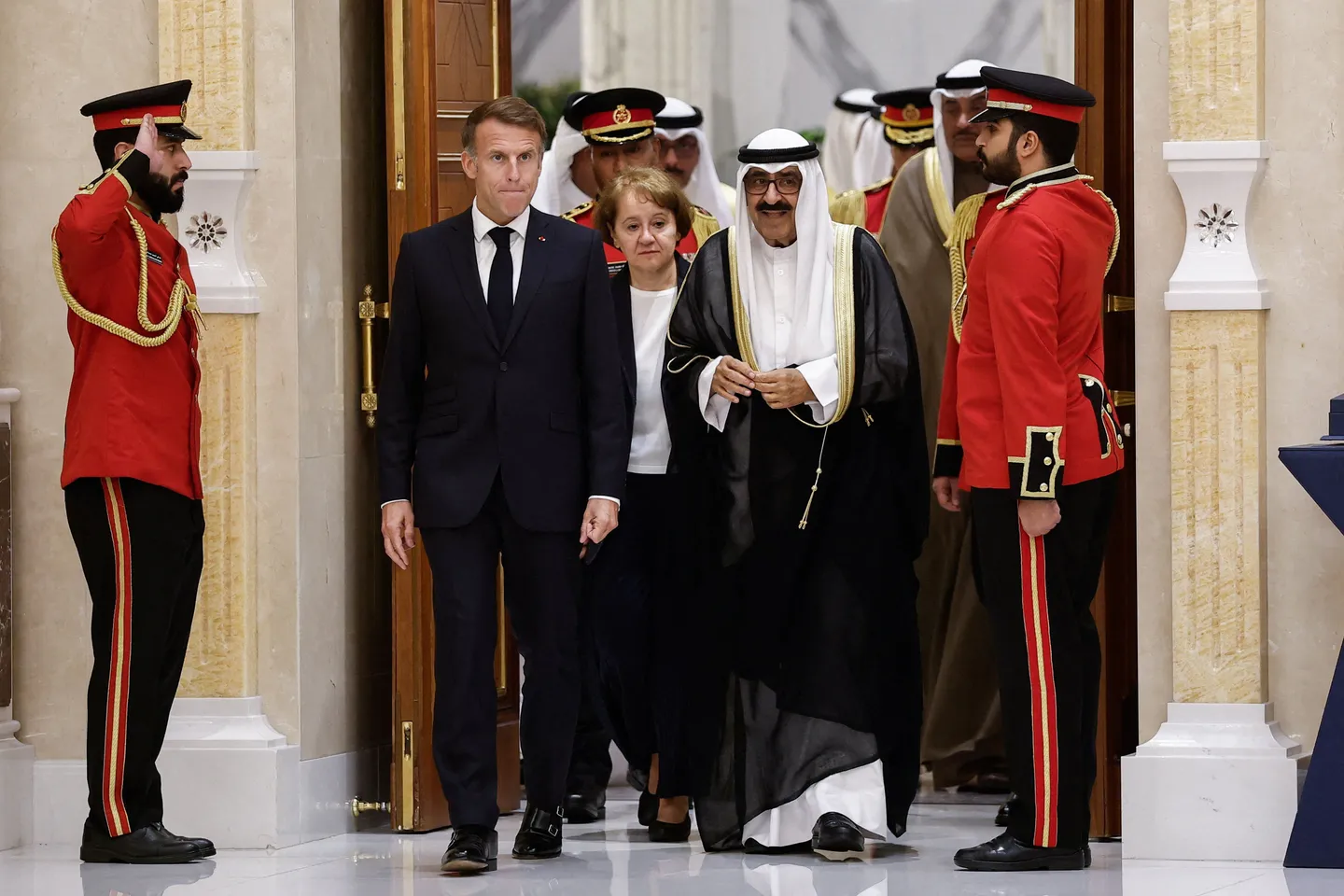
Macron arrived on Monday in Kuwait, where he was welcomed by Emir Sheikh Mishal Al-Ahmad Al-Jaber Al-Sabah, hours after condemning what he called “unbridled” violence in an address to the nation on Sunday.
The visit will also take him to the United Arab Emirates, Bahrain and Qatar by Wednesday.
Paris says the trip is intended to strengthen economic and defence partnerships, secure energy supplies and improve the safety of maritime routes disrupted by the US-Iran war.
Fuel supplies and defence deals on the agenda
Macron said before departing that the trip was necessary to “secure our supplies”, pointing to fuel prices as one of the concerns raised by protesters.
In Kuwait, discussions included plans to deliver pre-positioned stocks of kerosene and diesel from Oman to the French overseas territories of Reunion and Mayotte, according to the French presidency.
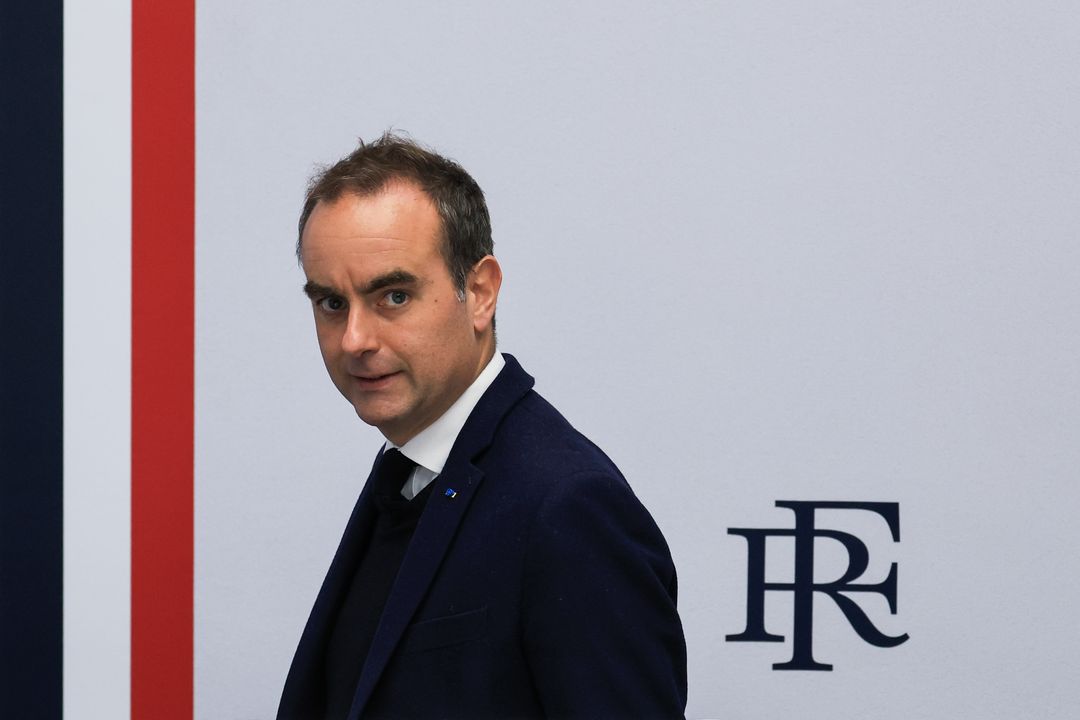
French armed forces minister Catherine Vautrin also signed a letter of intent on defence cooperation with her Kuwaiti counterpart. Talks included potential arms sales, according to a member of the French delegation.
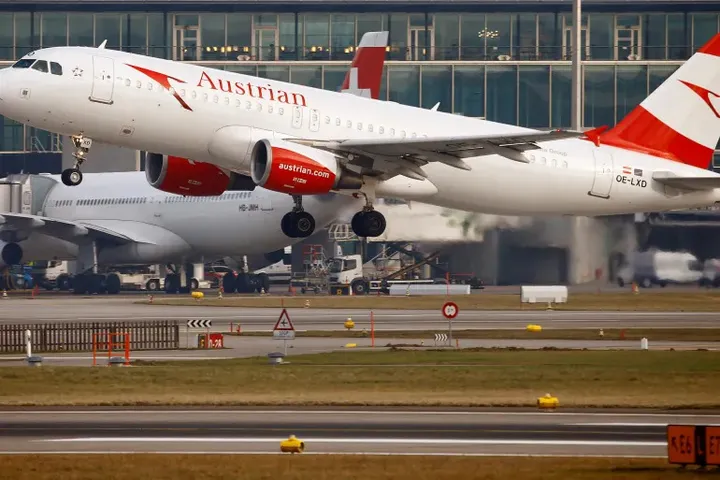
Airbus separately signed a letter of intent to support the renewal of Kuwait Airways’ fleet and cooperate on maintenance and training.
Macron is accompanied by senior executives from France’s two largest energy groups, TotalEnergies and Engie, as his government seeks concrete commitments on oil and diesel volumes.
Hormuz disruption drives search for alternative routes
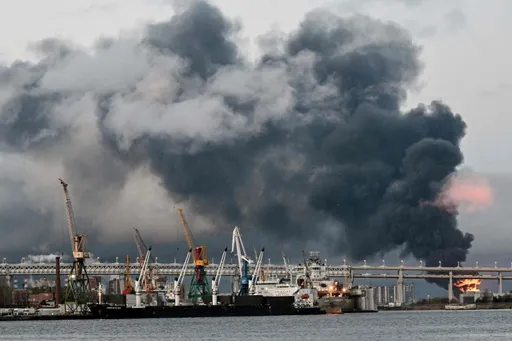
The tour comes amid a major disruption to energy shipping through the Strait of Hormuz, a crucial route for Gulf oil exports, during the war between the United States and Iran.
The French presidency said Macron would discuss ways to secure maritime shipments and establish “alternative and bypass routes” for energy exports with Gulf leaders, including the UAE president and Qatar’s emir.
The G7 countries, under France’s chairmanship this year, agreed in early October to release 100 million barrels of oil through a coordinated effort to ease pressure on energy markets.
France and Britain have also assembled an international mission to help reopen the Strait of Hormuz, mainly through demining operations, once Washington and Tehran agree on the waterway.
Energy expert Francis Perrin of the French Institute for International and Strategic Relations cautioned that the Gulf tour was unlikely to have an immediate impact on fuel prices, saying exporters may struggle to make firm commitments while regional instability persists.
Macron faces criticism over unrest at home
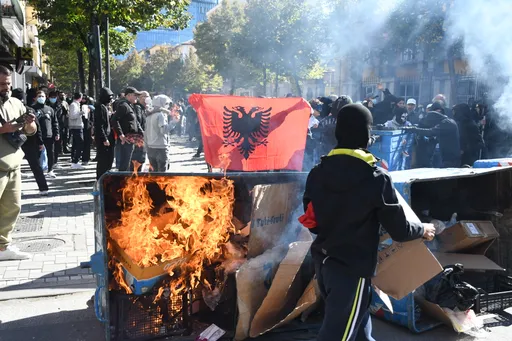
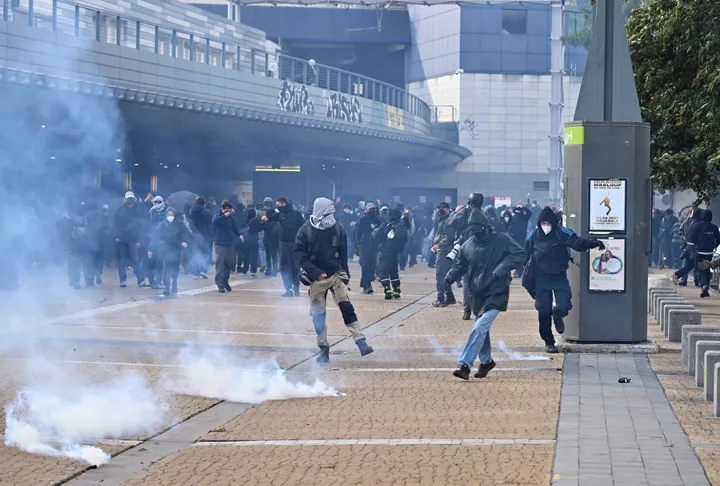
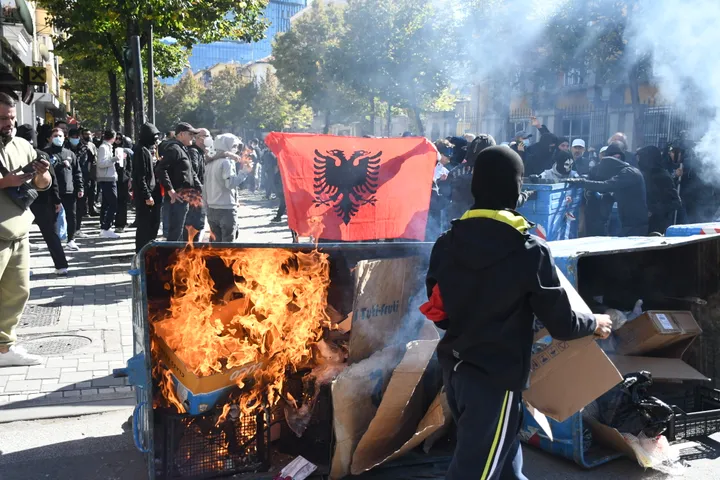
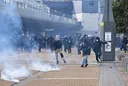
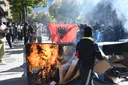
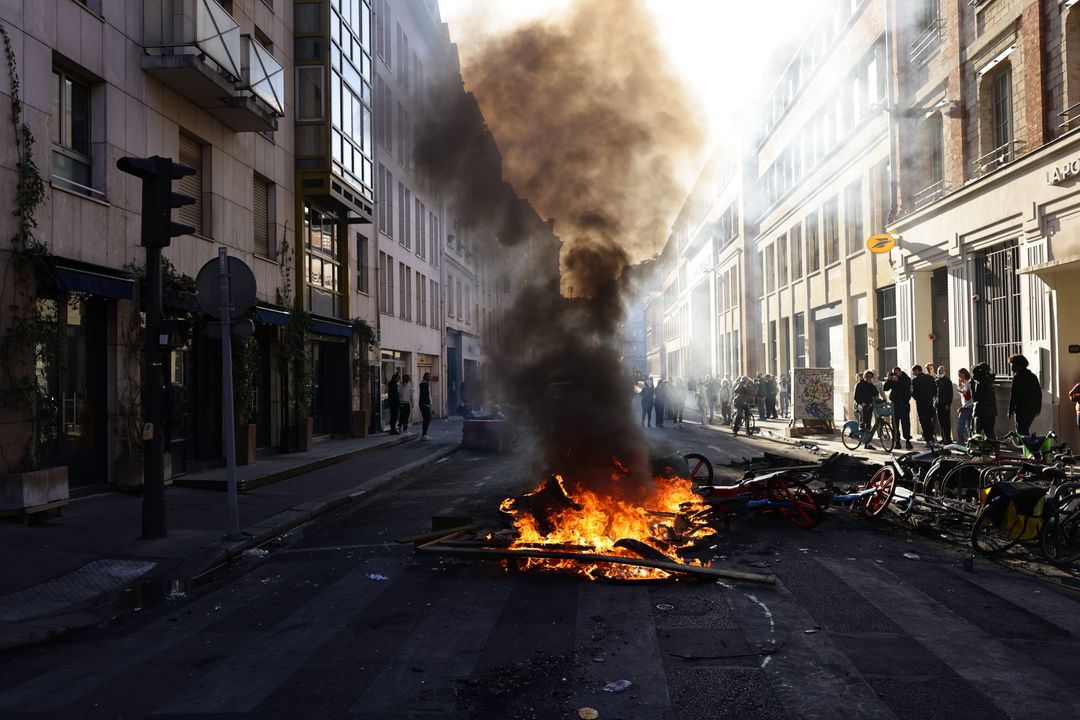
The overseas trip comes as Macron faces mounting scrutiny over the government’s handling of France’s worst unrest in years. More than 2,500 people were arrested during clashes and looting, with shops and town halls reportedly damaged or set on fire.
Macron acknowledged security and intelligence failures but refused to accept the resignation of his interior minister.
Constitutional expert Benjamin Morel warned that the Gulf tour could project an image of normality but also risk making the president appear disconnected from events at home and suggest a “kind of power vacuum”.
The government now faces the twin challenge of addressing public anger over living costs while pursuing energy commitments abroad that may not translate quickly into lower prices at the pump.