 Sadiq S Bhat
In 2024, the road to the White House ran straight through the podcast studios.
The recently concluded US elections have made one thing unmistakably clear — podcasts are massively transforming the American media landscape, and this shift is only expected to progress further.
Donald Trump, the Republican presidential candidate turned US President-elect, picked up on it in no time and effectively leveraged podcasts to connect with audiences beyond the conventional mainstream media bubble.
His appearance on The Joe Rogan Experience, for example, became a major turning point during the high-stakes election campaign, pulling a whopping 46 million views. Kamala Harris' campaign would soon realise that they simply couldn't match Trump's scale or impact.
Lila Matthews, a California-based guru on US podcasts and pop culture, told TRT World that podcasts enjoy a pan-American "populist appeal."
Trump's move, she points out, "was a stunning display of the power of podcasts." In comparison, Harris' much-hyped Democratic presidential nomination acceptance speech had only 29 million views, proving the advantage of long-form, unscripted conversations over pre-written speeches.
They are unpolished, raw, and feel genuine — ideal for modern audiences who are very well-clued-in and super savvy about how media works, Matthews says, adding, "for candidates, it's an opportunity to connect directly with masses, bypassing traditional gatekeepers."

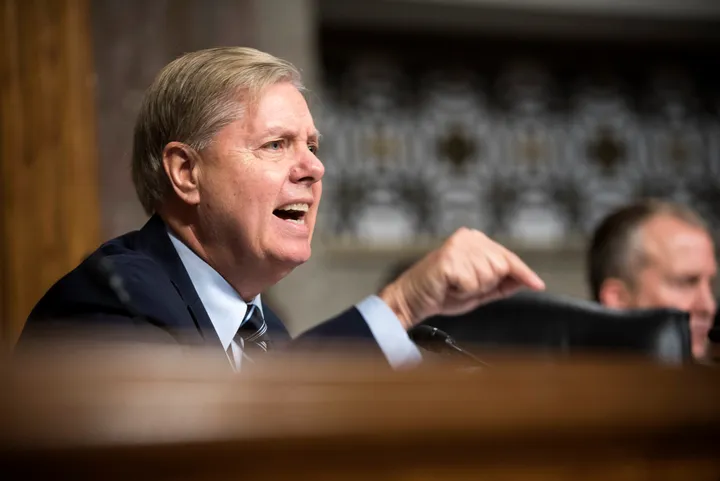

During the campaign, Trump appeared on over a dozen major podcasts like Joe Rogan Experience, Logan Paul’s Impaulsive and Theo Von’s This Past Weekend. His appearances on shows Bussin’ With The Boys connected him with millions who might never watch traditional news.
Matthews say that podcasts, both political and apolitical, work because they feel personal.
"Listening to a candidate, for instance, speak directly into your ear creates a sense of intimacy that cable news can't match."
The message is clear: podcasts are not just a side note in political campaigning and pop culture — they are the main stage.
"Podcasting as a platform has especially given political candidates a chance to show more of who they really are, rather than what they think the media or the public wants to hear," Matthews adds.