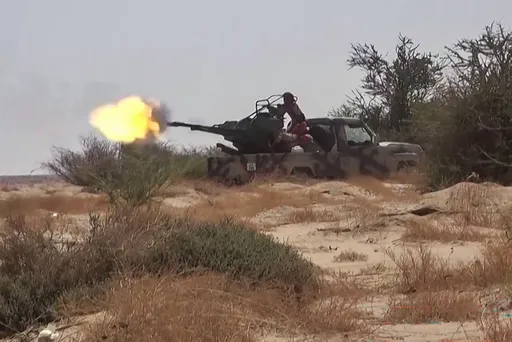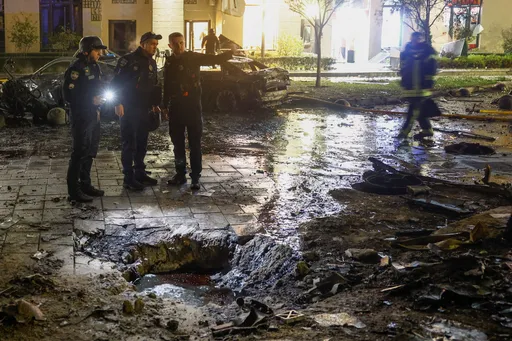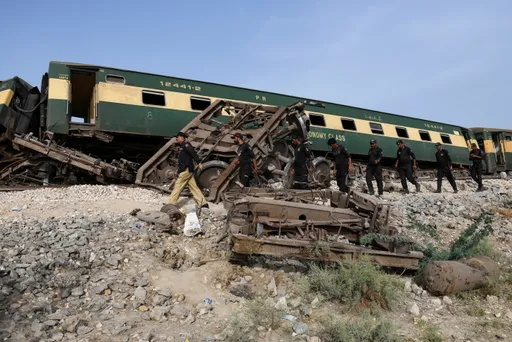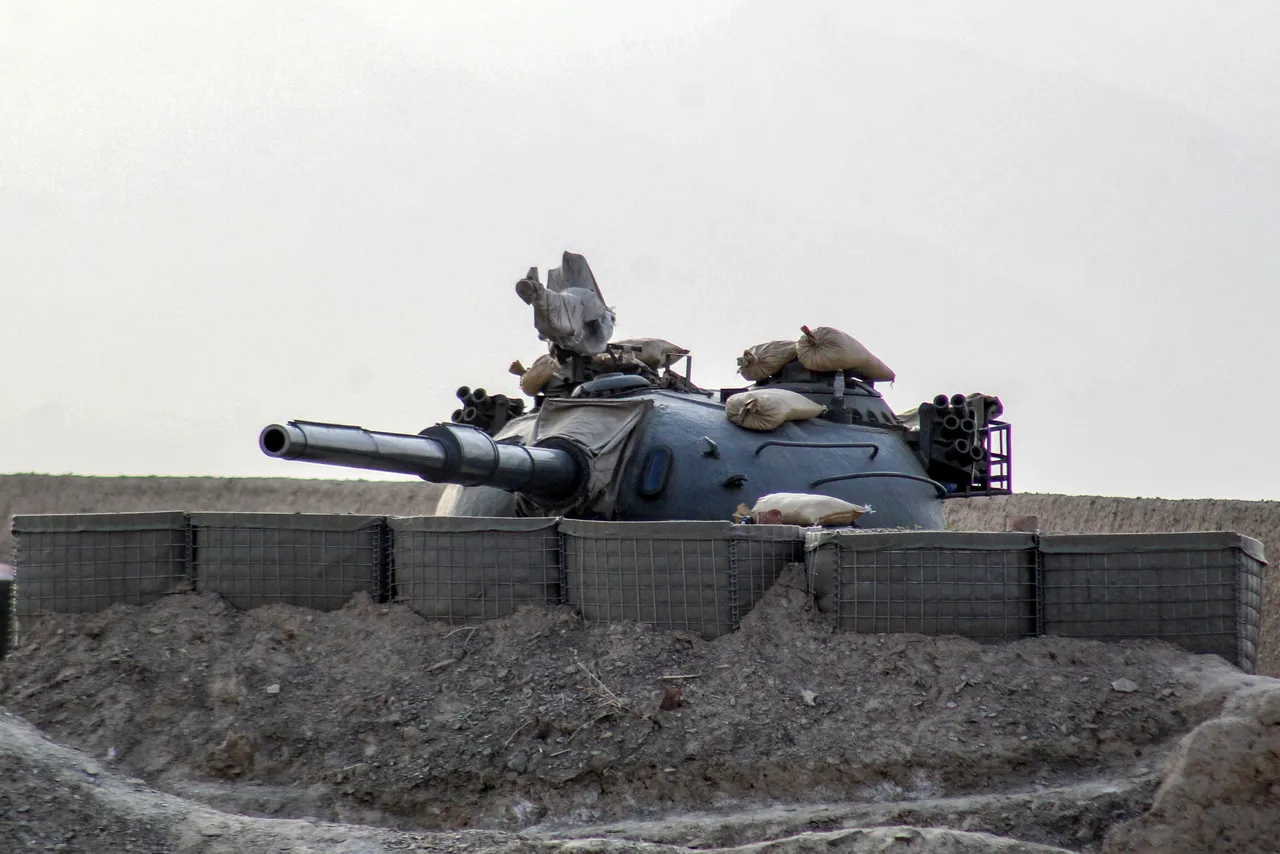
The latest escalation, in which Pakistani air strikes hit Kabul, Kandahar and Paktia on Friday morning and the four-hour border clash that left at least eight Afghan and twelve Pakistani soldiers dead, did not happen overnight.
The tension built up over the years as the mountainous region on the border of the two neighbouring countries became a haven for terrorists, and attacks inside Pakistan accelerated dramatically after 2021.
From Islamabad's perspective, the turning point was the return of the Afghan Taliban to power in August 2021, following the Doha Agreement and the withdrawal of US-led forces.
Pakistan had initially welcomed the Taliban's takeover, with then-Prime Minister Imran Khan publicly saying that the Afghans had "broken the shackles of slavery". But soon after, according to Pakistani security officials, the strategic optimism gave way to a harsh security concern: a resurgent Tehrik-i-Taliban Pakistan (TTP).
The TTP, formed in 2007 as an umbrella for terror outfits in Pakistan's northwest, had long operated across the porous border. During the US invasion of Afghanistan in the 2000s, TTP militants supported the Afghan Taliban and enjoyed cross-border sanctuaries, just as Afghan Taliban elements had once found refuge in Pakistan's tribal belt.
When the Taliban returned to Kabul in 2021, Pakistan expected cooperation against anti-Pakistan terrorists. Instead, Islamabad argues, the TTP found renewed space to reorganise on Afghan territory.
According to Pakistan’s military, terrorist attacks began to rise in 2021 — the same year power changed hands in Kabul. That year, 193 terrorists were killed in Pakistan compared to the loss of 592 law enforcement personnel, a 1:3 ratio.
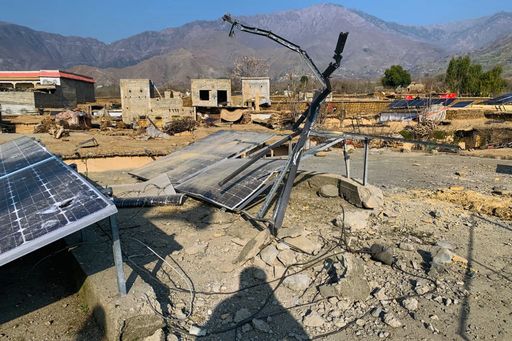
By 2025, 2,597 terrorists were eliminated while 1,235 security officials and civilians were killed — a reversal of the ratio to 2:1.
Independent monitors, such as the Armed Conflict Location & Event Data project, have also recorded rising levels of terrorism in Pakistan since 2022.
Attacks claimed by the TTP, from suicide bombings to ambushes on security installations, have steadily increased.
The TTP has carried out some of Pakistan's deadliest attacks in the past decade, including the assault on Karachi's airport that killed 28 people, and the massacre at an Army-run school in the northwest, where 141 people — mostly children — were killed, an atrocity that security analysts say spurred a wave of military operations against terrorists.


A report published by an Islamabad-based think tank, Pak Institute for Peace Studies (PIPS), in January found that Pakistan saw a sharp escalation in terrorist violence in 2025, with terror attacks killing more than 1,000 people in about 699 attacks across the country.
Pakistani officials say they have "irrefutable evidence" that recent waves of attacks were planned from Afghan soil, including one in Bajaur on February 17 that killed 11 security personnel and two civilians and was reportedly carried out by an Afghan national. Kabul denies these accusations.
According to a report by the United Nations Security Council, the Afghan authorities have supplied weapons to the TTP.
Kabul insists they do not allow Afghan territory to be used against any country, and have consistently denied the presence of TTP terrorists in Afghanistan. On their part, they accuse Pakistan of harbouring Daesh's regional branch — a charge Islamabad rejects. The mutual recriminations reflect a breakdown in trust between the two countries that share a long cultural and religious connection.
The latest escalation comes on the back of Pakistani air strikes last week that Islamabad said killed 70 "terrorists" in Afghanistan. Kabul said it responded with retaliatory operations along the border on Thursday night.
Then came the overnight strikes on Kabul and other cities. Afghan officials say there were no casualties from those strikes. Pakistan's prime ministerial spokesperson Mosharraf Zaidi claimed 133 Afghan soldiers were killed and over 200 wounded, with dozens of military posts and armoured vehicles destroyed.
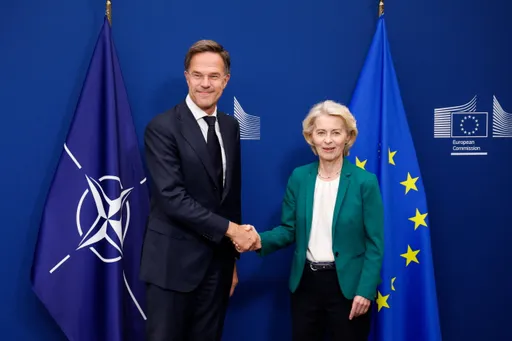
Both sides describe heavy losses, and the conflict has already drawn concern from the international community.
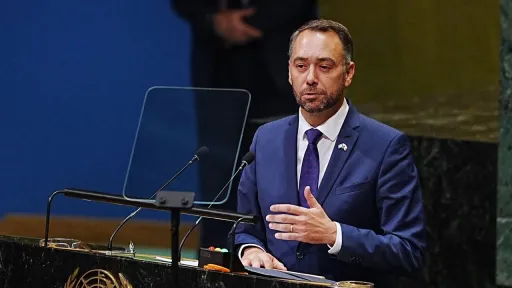
United Nations Secretary-General Antonio Guterres has urged both sides to comply with international law and seek a diplomatic resolution. The escalation has come at a time when the region is already on the edge with a large US military buildup in preparation for a possible attack on Iran.
Previous mediation efforts by Türkiye, Qatar and Saudi Arabia had produced a fragile ceasefire after deadly clashes in October last year, but that truce did not hold.