Oil prices fell on Friday after Donald Trump again pushed back a deadline for Iran to reopen the Strait of Hormuz, though most equities also dropped as traders shrugged at the news following a series of conflicting messaging from the White House.
The US president had warned last Saturday he would obliterate Iran's energy sites if it did not unblock the crucial waterway within 48 hours, but pushed that back five days, citing positive peace talks, which Tehran denied had taken place.
But after days of strikes by both sides and mixed reports of negotiations — including the trading of multi-point demands — he announced on Thursday that he would again delay the attacks to April 6 after a request from Tehran.
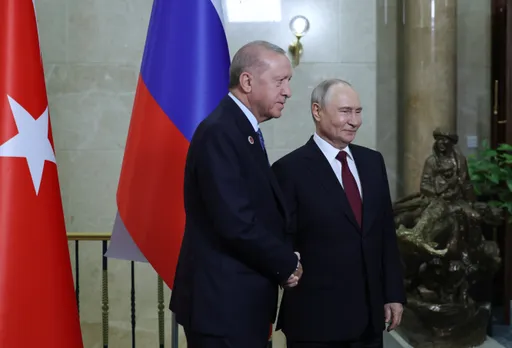
"Talks are ongoing and, despite erroneous statements to the contrary by the Fake News Media, and others, they are going very well," Trump posted on his Truth Social platform.
Trump had earlier denied he was desperate for a deal to end the war, despite Iran’s cool response to an American peace plan and fears the spike in oil prices would fan inflation.
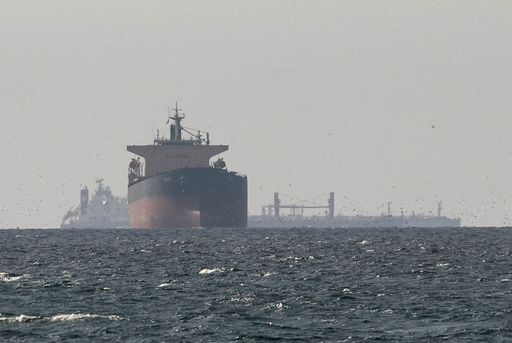
Trump later told a cabinet meeting Iran had allowed 10 oil tankers passage through the Strait of Hormuz — through which about a fifth of world oil and gas pass — to show it was serious about talks.
The Iranian news agency Tasnim said the country's response to Washington's 15-point plan to end the war "was officially sent last night through intermediaries, and Iran is awaiting the other side's response".
The report, citing an unnamed official, said officials had called for an end to US-Israeli attacks on Iran and Tehran-backed groups elsewhere in the region.
It also called for war reparations and Iran's "sovereignty" over the Strait of Hormuz to be respected.
However, Trump's announcement came as the Wall Street Journal cited Department of Defense officials as saying the Pentagon was considering sending as many as 10,000 extra ground troops to the Middle East.






‘Breathing room’
Oil prices fell more than one percent on Friday, though that only partially pared the previous day's surge amid growing anxiety that the conflict will last far longer than first thought.
Brent is up almost 50 percent since the war began on February 28, while West Texas Intermediate has risen around 40 percent.
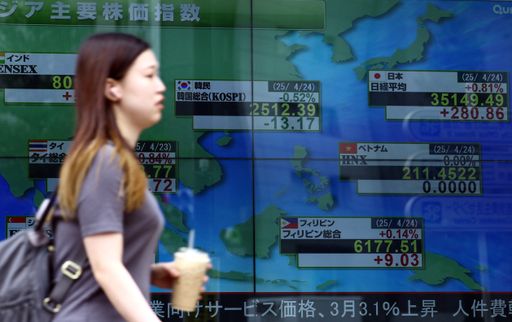
Equities struggled following hefty losses on Wall Street.
Tokyo and Seoul, which had been the standout performers in the first two months of the year, were among the biggest losers, while Hong Kong, Sydney, Wellington, Taipei Jakarta and Manila were also sharply lower.
Shanghai and Singapore fluctuated.
Investors are also increasingly sceptical about the messaging from the White House, with Trump often flipping between threats and talk of peace.
"A ten-day extension sounds like breathing room, but in market terms, it feels more like a trader rolling a losing position forward, hoping the next candle delivers what the last one refused to give," said SPI Asset Management's Stephen Innes, referring to an investor’s analysis tool.
"Time has been purchased, not clarity. And the market knows the difference."
And National Australia Bank's Ray Attrill said: "Whether peace talks are taking place between the US and Iran remains debatable, Iran insisting that exchanges of letters via a friendly intermediary (presumed to be Pakistan) does not constitute talks.”