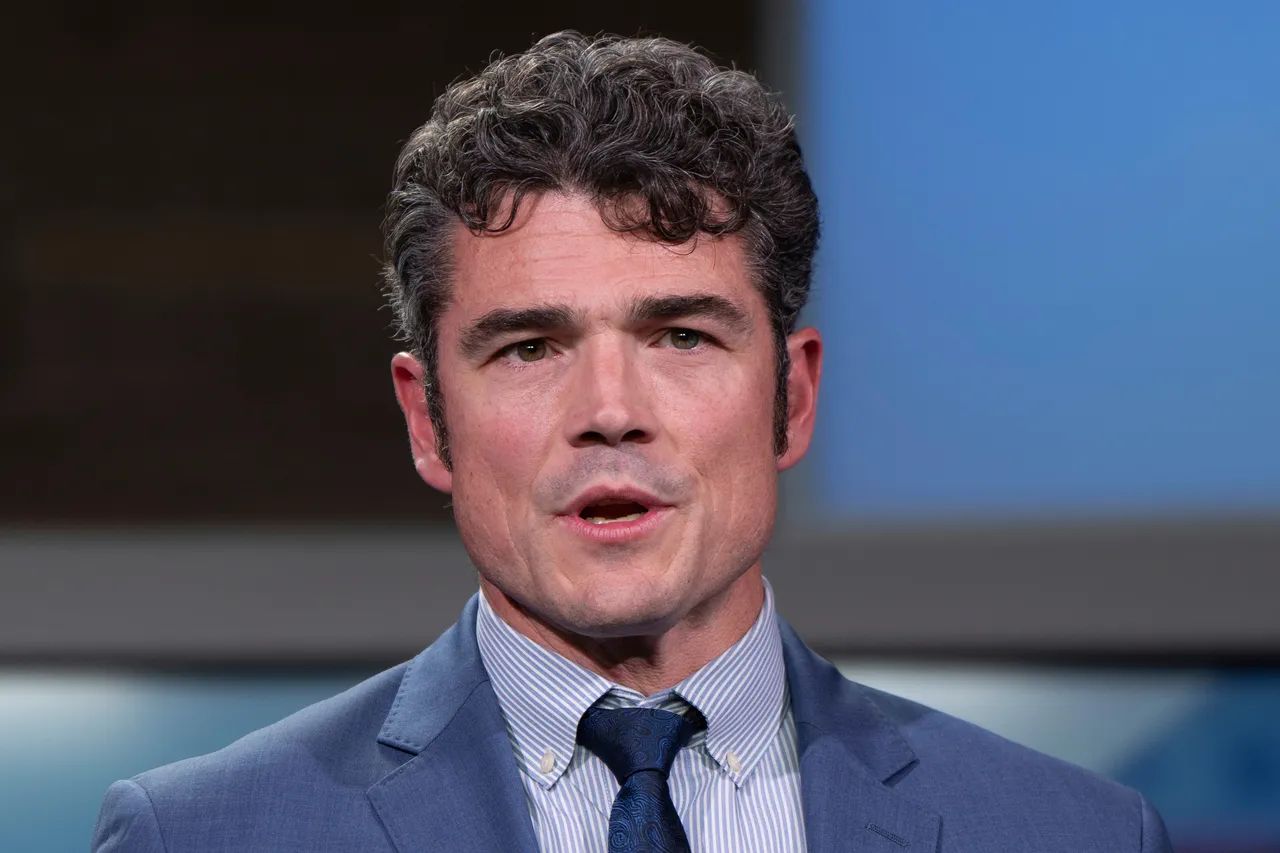
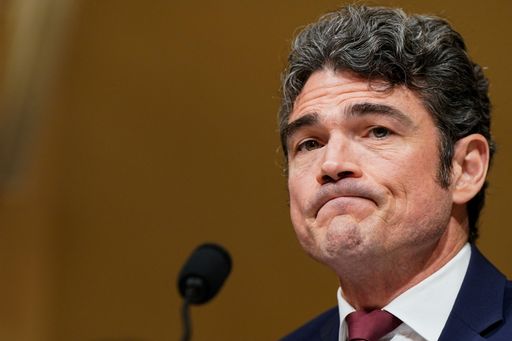
Washington, DC — Joe Kent's abrupt exit as US Director of the National Counterterrorism Centre is more than a standard Washington reshuffle. It arrives at a moment of political strain, sending tremors through the MAGA (Make America Great Again) coalition and laying bare divisions that had been kept, for the most part, behind closed doors.
A decorated Green Beret and Republican who ran for Congress in Washington state's third district in 2022 and 2024, Kent has made clear why he stepped down.
The war on Iran, now in its third week, was not driven by any imminent threat to the United States, he said in his explosive resignation letter, but by "pressure from Israel".
"I cannot in good conscience support the ongoing war in Iran," he wrote. "It is clear that we started this war due to pressure from Israel and its powerful American lobby."
He drew a direct line to the 2003 invasion of Iraq, warning against sending another generation into conflict without a clear national interest.
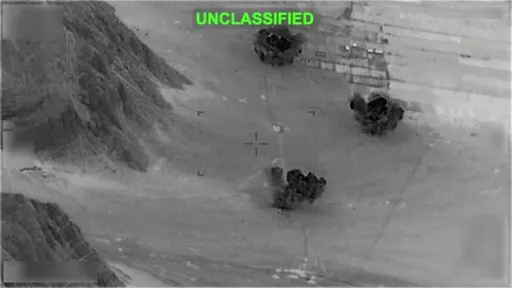
Kent's remarks mark the first public rupture by a senior Trump administration official over Operation Epic Fury, the US-led war on Iran that began on February 28.
Not isolated outrage
The reaction from within the broader MAGA orbit was swift and revealing.
Marjorie Taylor Greene, one of the most prominent anti-war voices on the American right, amplified Kent’s message almost immediately.
"Joe Kent just said what half the base is thinking — this isn’t America First, it’s Israel First. Trump needs to end this before it costs us 2028," she wrote, framing the resignation as proof of a deeper betrayal of the movement’s core promise.
On Capitol Hill, influential Republicans like Senator Rand Paul struck a similar tone, but tied it directly to legislative action.
"Courageous stand. We’ve warned this war was unnecessary and unconstitutional. Time for Congress to act on War Powers," he said, reinforcing his push to curb the administration’s authority over the conflict.
Congressman Thomas Massie echoed that argument, using Kent’s departure to press for debate and funding constraints.
"Another insider sees what we see: no imminent threat, just lobby pressure. This is why we need to defund and debate," he wrote, seeking to rally support for anti-escalation efforts.
Together, the responses form a pattern. Support for Kent reflects a current within the Republican base that sees the Iran war as a break from the America First doctrine.
That unease is mirrored within parts of the intelligence community.
William Lawrence of American University told TRT World that Kent’s resignation reflects deeper unease within parts of the US national security establishment.
"Within the intelligence community, career officials had already been raising concerns," he said.
"Estimates from the National Intelligence Council suggested regime change in Iran could result from this war. There were other pushbacks as well. So, Kent’s resignation doesn’t surprise me in the least."
Lawrence added that the move mirrors the perspective of many career intelligence professionals, a group, he says has been "purged, downplayed, and marginalised as much as possible" as political priorities increasingly shape intelligence assessments.
"This very much represents the consensus of a lot of professionals who’ve been sidelined," he said.
He also highlighted frustration among Special Forces and other officials over recent operations and the transfer of assets from Asia to the Middle East.
"There will be ongoing pushback from within the administration," he said, "but ultimately what happens on the ground will determine the outcome more than these reports."



Tensions ripple outward
Inside the administration, however, the silence from seniors officials has been just as telling.
Tulsi Gabbard, Director of National Intelligence and Kent’s immediate superior, had previously said she would resign rather than support a war with Iran.
Since the strikes on Iran began, she has offered little public comment. Her quiet has raised questions about her standing within an administration that appears to be shifting towards escalation.
Vice President JD Vance has also shifted tone.
Once a sceptic who raised concerns about the costs and risks of war, he has moved into line publicly, downplaying earlier doubts. The change has not gone unnoticed among supporters who had backed a foreign policy defined by restraint.
The unrest is not confined to national security circles.
Carrie Prejean Boller, a former Trump administration appointee who was recently dismissed from the White House Religious Liberty Commission, proclaimed on Monday that the MAGA movement was "dead".
She alleged Trump was following Israel's lead on foreign policy towards Iran.
Sameerah Munshi, the only Muslim woman on the Commission, has also resigned.
The fallout is spreading beyond Washington.
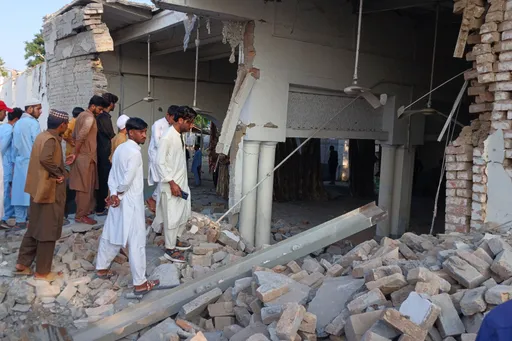
Public support for the war appears fragile, with polls showing growing unease as fuel prices rise and reports of casualties emerge.
Kent’s resignation gives critics a senior insider to rally around, lending weight to arguments that the Iran war lacks a clear justification.
At the same time, reactions have been sharply divided. Some have praised his decision as principled. Others have criticised his framing as dangerous or disloyal.
Following Kent's open letter going viral, White House Press Secretary Karoline Leavitt sought to address its claims, stating, "The absurd allegation that President Trump made this decision based on the influence of others, even foreign countries, is both insulting and laughable."
"President Trump has been remarkably consistent and has said for DECADES that Iran can NEVER possess a nuclear weapon. As someone who actually witnesses President Trump’s decision-making process on a daily basis, I can attest to the fact that he is always looking to do what’s in the best interest of the United States of America — period," Leavitt said in a counter post on X.
Earlier in 2025, when Trump nominated Kent for role in National Counterterrorism Centre, he lauded him as one "who has hunted down terrorists and criminals his entire adult life," and for "staying in the fight" despite losing his wife, Shannon, in the battle against the Daesh terror group.
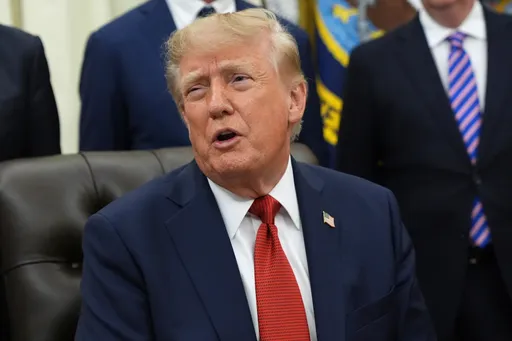
But on Tuesday, reacting to Kent's resignation, Trump told reporters that it was a "good thing" because he was "very weak on security".
Trump added that if someone in his administration did not believe Iran was a threat, "we don’t want those people."
"They’re not smart people, or they’re not savvy people".