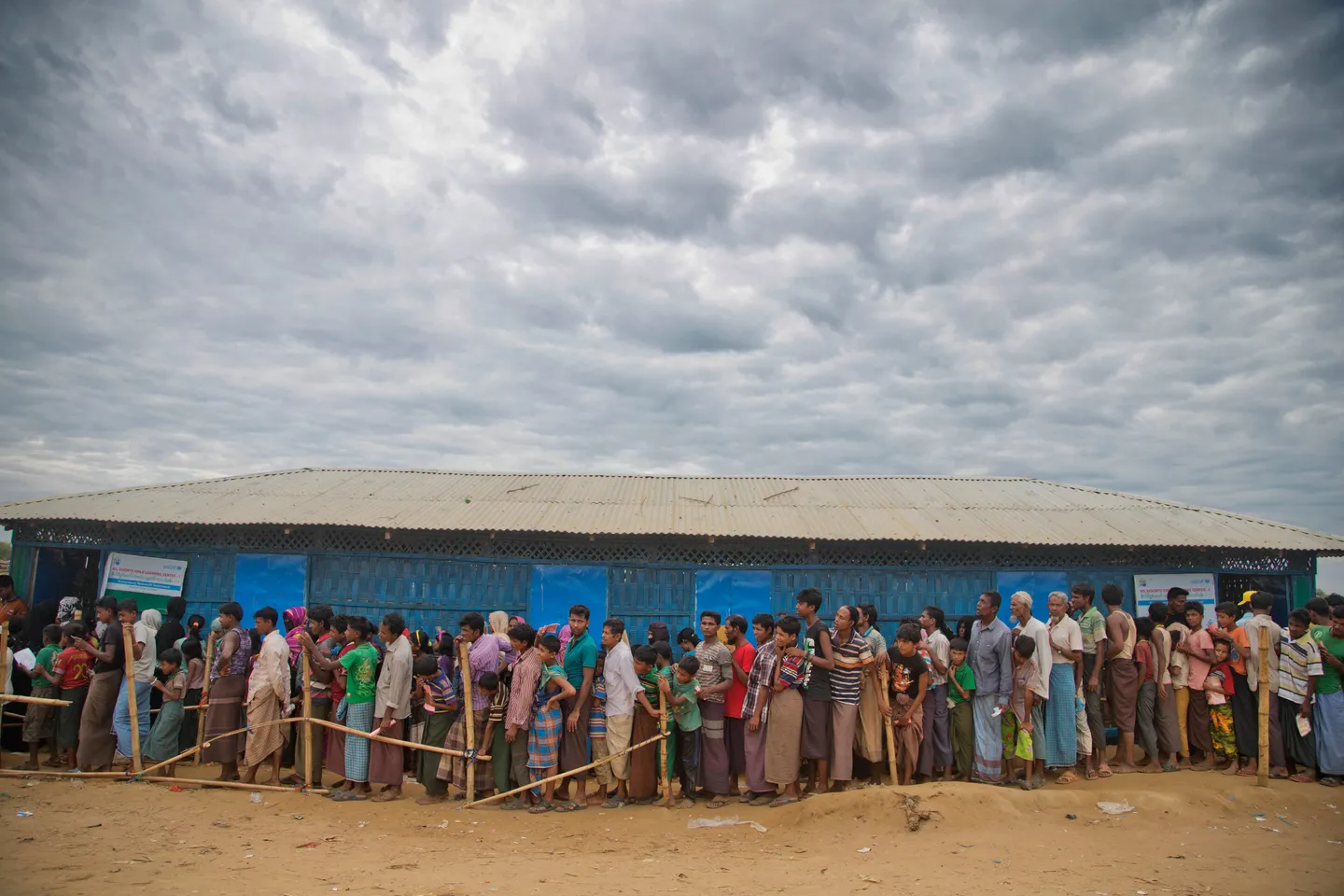
The International Court of Justice (ICJ) began delivering its landmark ruling on Thursday in a case accusing Myanmar of committing genocide against the mostly Muslim Rohingya minority during a brutal military crackdown in 2017.
ICJ President Yuji Iwasawa opened the proceedings at the Peace Palace in The Hague, with the hearing expected to last around three hours.
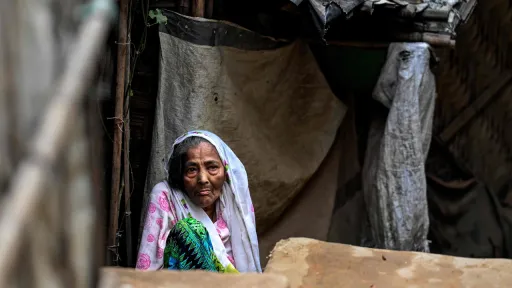
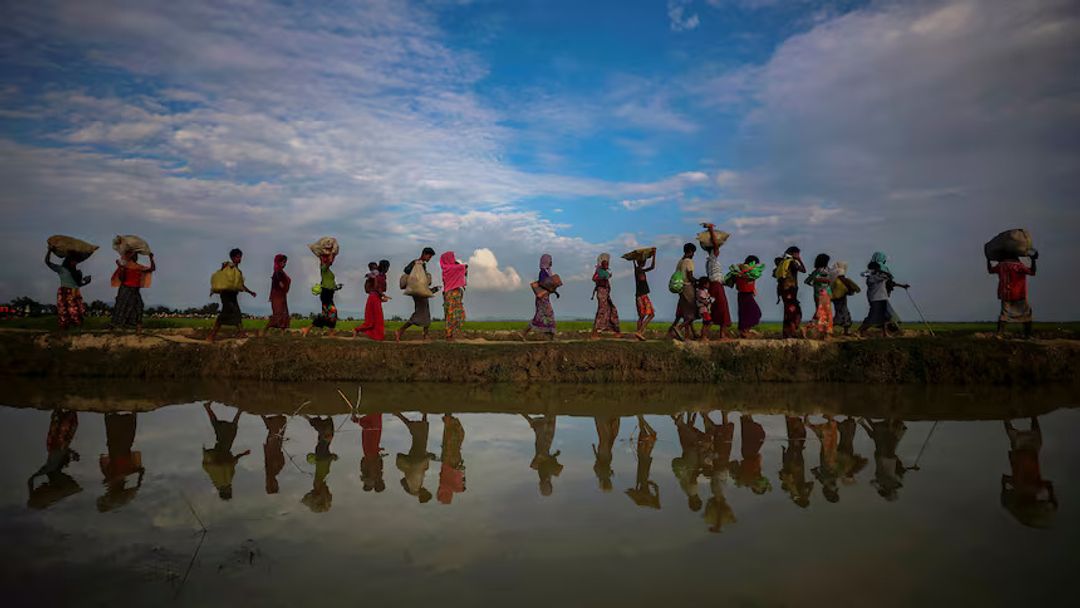
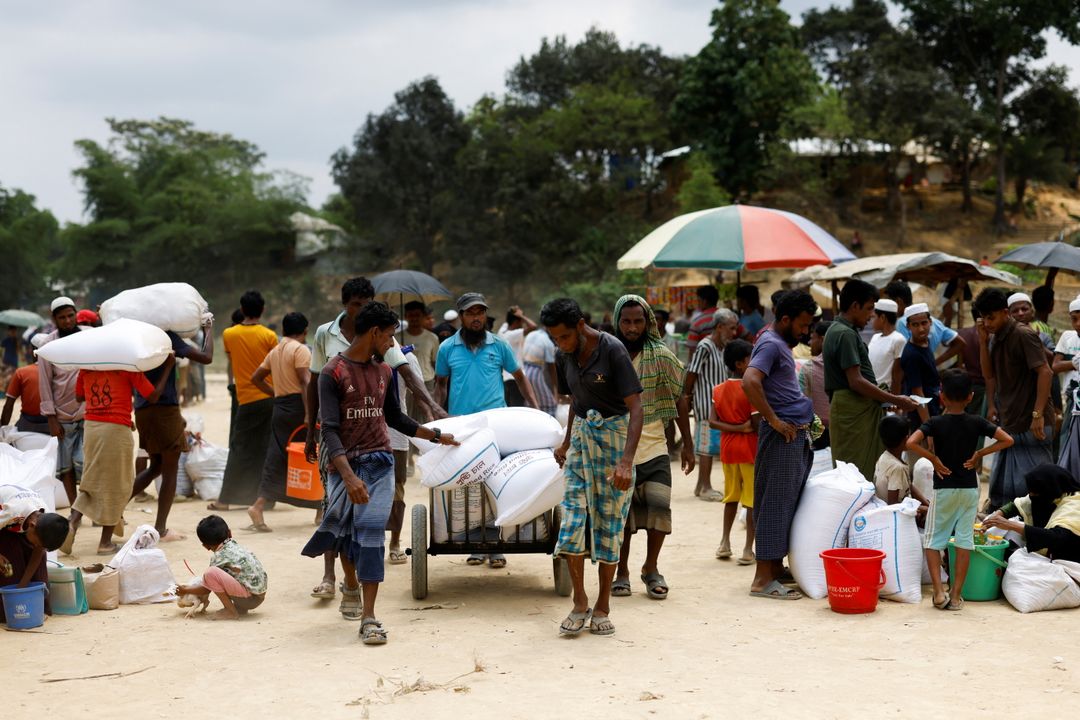
For more than one million Rohingya living in refugee camps in neighbouring Bangladesh, the ruling represents a major moment in their long struggle for justice and accountability.
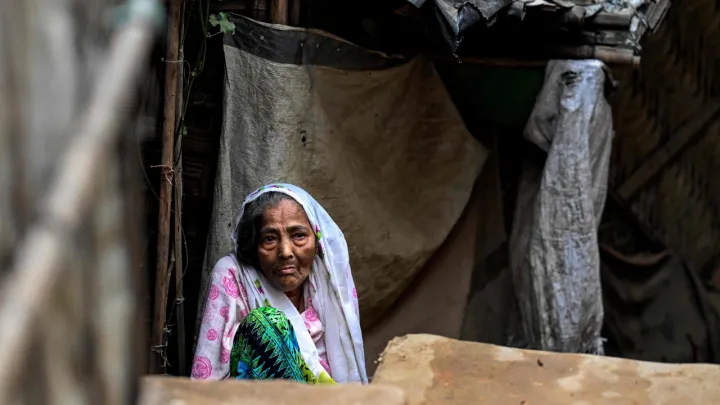
“I want justice,” a 23-year-old Rohingya rape survivor told AFP, speaking from the shelter where she lives with her family. She called for severe punishment for those responsible for sexual violence and urged the court to address the issue separately.
Rohingya ‘targeted for destruction’
The case was filed by The Gambia under the 1948 UN Genocide Convention, which allows states to bring proceedings against other countries suspected of violating the treaty.
The Gambia's Justice Minister Dawda Jallow said the case was launched after reviewing reports of extreme violence against a vulnerable and persecuted community.
He said the Rohingya had been “targeted for destruction”, adding that the case concerned real people and their experiences, rather than abstract questions of international law.
The country has the backing of the 57-member Organisation of Islamic Cooperation, according to Jallow.
Myanmar has consistently rejected the genocide allegations, arguing that its brutal military crackdown targeted an insurgency following attacks that killed security personnel.
During earlier hearings, Myanmar representative Ko Ko Hlaing told the court that the country was not obliged to allow what he described as “terrorists” to operate freely.





Ruling could increase pressure on Myanmar leadership
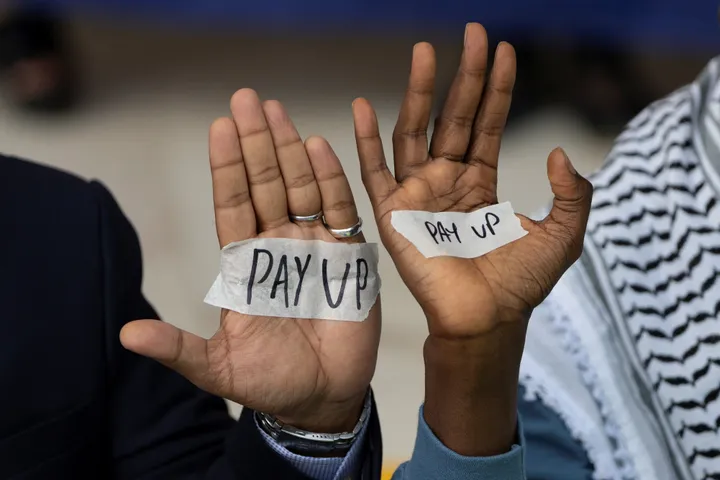
The ICJ has no direct means of enforcing its judgments, but a finding of genocide could increase international pressure on Myanmar's leadership.
Myanmar's current leader, Min Aung Hlaing, commanded the military during the 2017 crackdown and later seized power in a 2021 coup against the elected government of Aung San Suu Kyi. He became civilian president following elections held under heavily restricted conditions this year.
The ICJ has previously recognised genocide in only one case, concerning the 1995 Srebrenica massacre in Bosnia.
Under international law, proving genocide requires establishing specific intent to destroy, in whole or in part, a national, ethnic, racial or religious group.
The Gambia argued that the scale and organisation of the brutal military crackdown, extreme brutality, widespread sexual violence and attacks on children demonstrated such intent.
Case watched for implications beyond Myanmar
Legal experts are also following the proceedings for their potential implications for other genocide cases, including South Africa's separate case accusing Israel of committing genocide against Palestinians in Gaza.
For Rohingya survivors, however, the immediate hope is for recognition and accountability.
Survivor Mohammed Osman, 20, told AFP he hoped the ruling would help him return home and perform the last rites for his parents and younger brother, whom he said were killed by Myanmar's military.
He described how soldiers shot his father, raped his mother and other women, and burned down his family home.