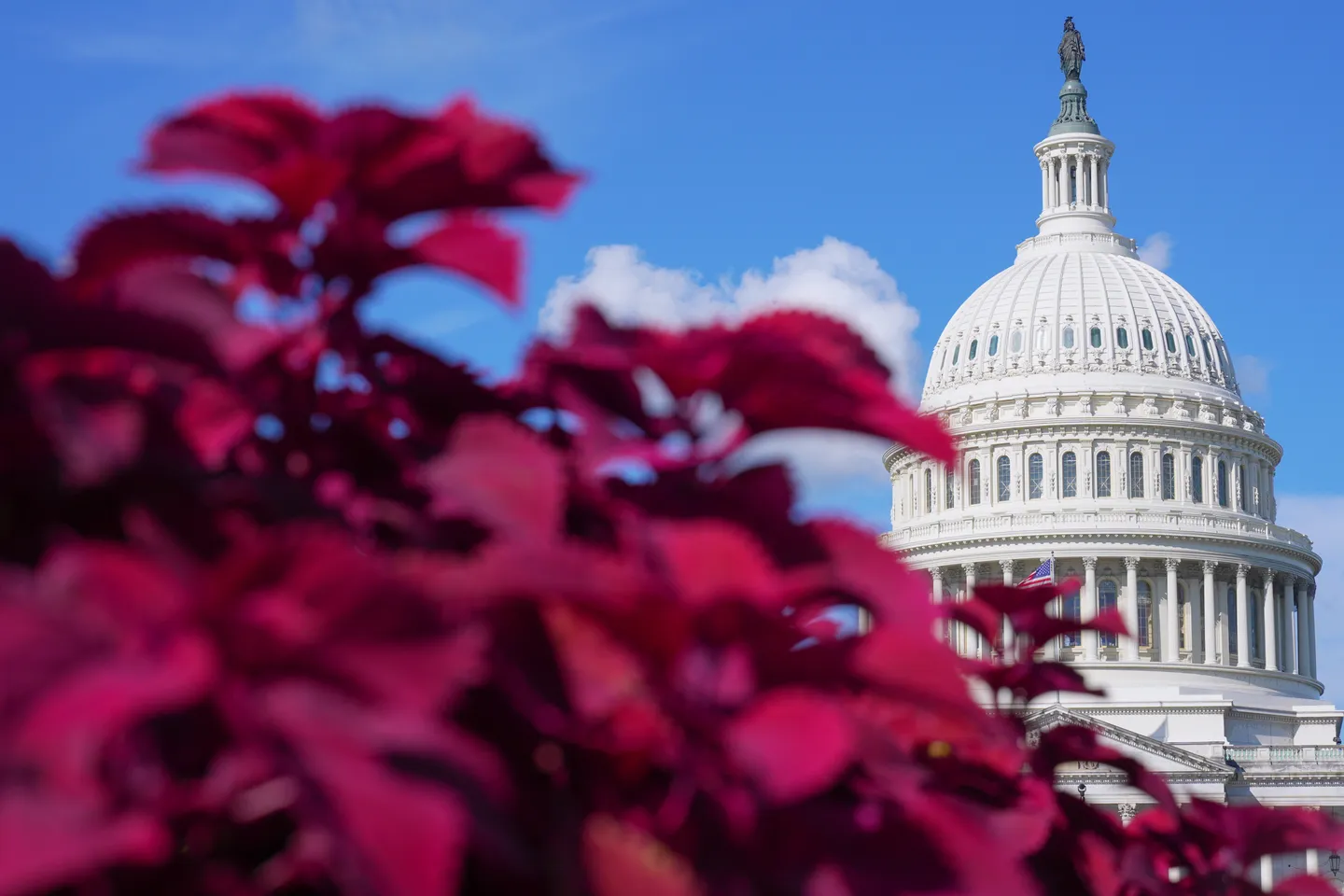
A sweeping bipartisan energy bill has unexpectedly emerged as the US Congress' first test of how to tackle public anger over data centres and rising electricity costs, which helped to power Democrats to a landslide election victory last week over Republicans.
The legislation, years in the making and due to come before the Senate for debate on Monday, would speed approvals for new power plants and transmission lines, while requiring large data center operators to bear more of the cost of grid upgrades needed to serve them.
Supporters say the bill may be Congress' best near-term opportunity to address the costs of the AI infrastructure build-out. But some Democrats, who campaigned on promises to rein in data centers and whose party will control both houses of Congress next year, are skeptical of provisions they say could encourage even more construction.
The chances of passage for the bill, the Bipartisan American Affordability and Jobs Act, have fallen to 25 percent versus 40 percent before the election, according to investment firm TD Cowen.
But the fight may help to define the data center debate with Democrats expected to introduce a range of bills targeting AI and data center development when they take control of Congress next year. Fears of stepped-up AI scrutiny led to a steep market selloff in technology shares last week.
"Democrats ran and won on affordability and data center accountability, and BAAJA will allow us to start delivering immediately on both of those election promises," US Senator Sheldon Whitehouse, the top Democrat on the Senate's environment committee and one of the bill's authors, told Reuters.
"We'd be silly not to take this win."
The legislation would also establish protections designed to prevent households, businesses and other utility customers from being left with the bill if projects fail.
"The language that's in BAAJA that's focused on data centers is a good first step," said Jeremy Harrell, chief executive of ClearPath Action, a conservative clean energy advocacy group.
"Those are policies where Republicans and Democrats agree."
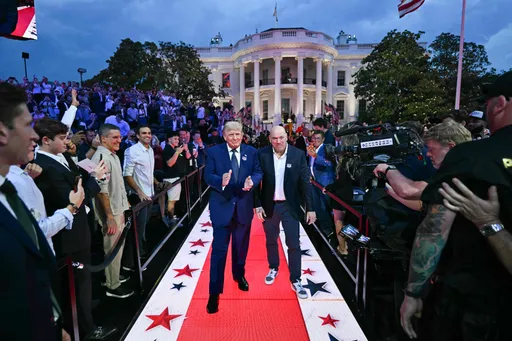
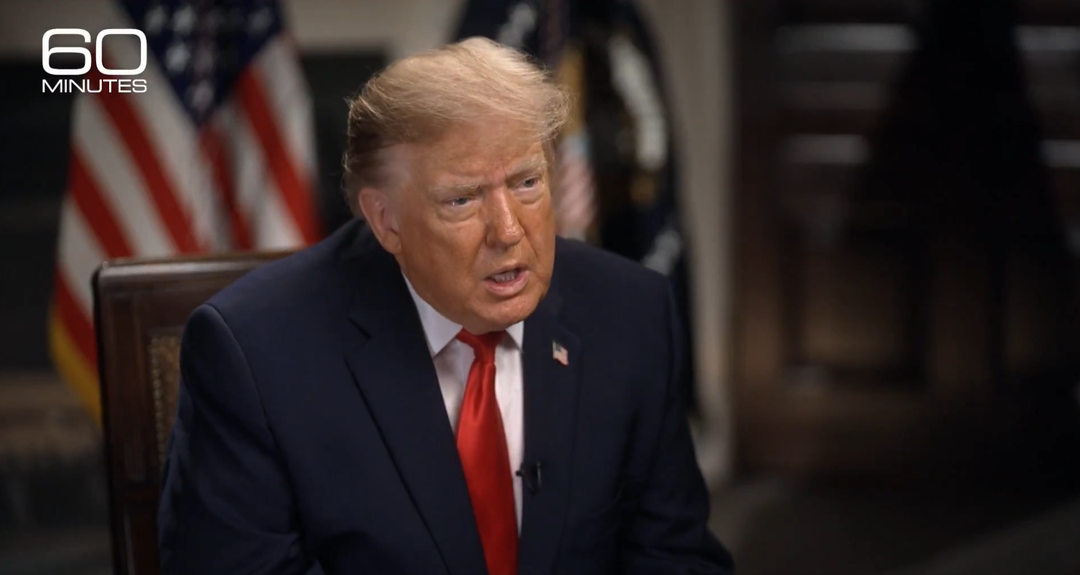
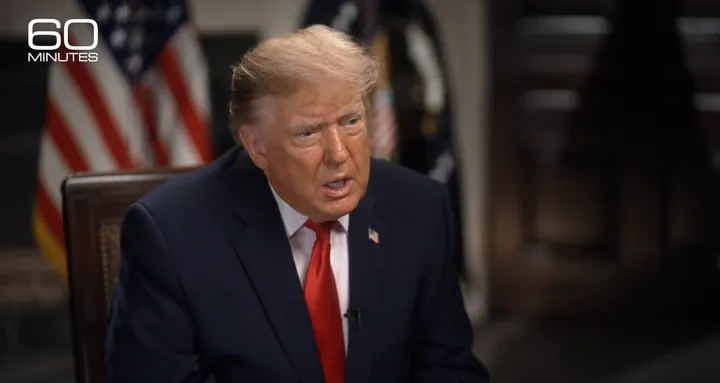
President Donald Trump, who has endorsed the bill, highlighted its data centre provisions in a social media post on Sunday while urging the Senate to pass it.
"Remember, China will take any Data Center that we don’t want, and pay lots of money for it," Trump said.
The Data Center Coalition, an industry trade group, has not endorsed the bill. Representatives for the group did not immediately respond to a request for comment.
Passage uncertain






BAAJA's passage, however, is far from assured. It faces opposition from environmental and tribal groups who say the legislation weakens environmental reviews and undermines tribal sovereignty.
"It would be highly ironic if the first action Congress took after an election largely defined by opposition to data centers would be to make it easier to build them," said author and environmentalist Bill McKibben.
The bill's authors unveiled a package of amendments on Saturday that they intend to introduce to address some of those concerns, but several environmental groups, including the Sierra Club, said the changes would not resolve their objections.
Some Democrats in Congress have also expressed concerns with the bill, including House Democratic Leader Hakeem Jeffries, who is expected to become speaker next year.
Jeffries told Politico on Friday that the bill falls short on environmental protections and needs input from House Democrats.
Some analyses estimate the bill could also help to reduce emissions associated with data centre operations.
Rhodium Group found that BAAJA's transmission and permitting reforms could allow more data center demand to be served through an increasingly clean electric grid rather than dedicated gas-fired power plants, reducing associated greenhouse-gas emissions by 31 percent to 90 percent, depending on the mix of power sources.
Investment bank ING said sweeping federal legislation to rein in data center construction remains unlikely while Trump is in office, since he and his administration view them as essential for the US to compete with China.
ING also cited disagreements over how much authority should reside with states versus Washington.
Joseph Majkut, who leads the energy security and climate programme at the bipartisan think tank Center for Strategic and International Studies, said the measure is important for affordability and governing data centre growth.
"The provisions on data centre costs might save the bill," he said.