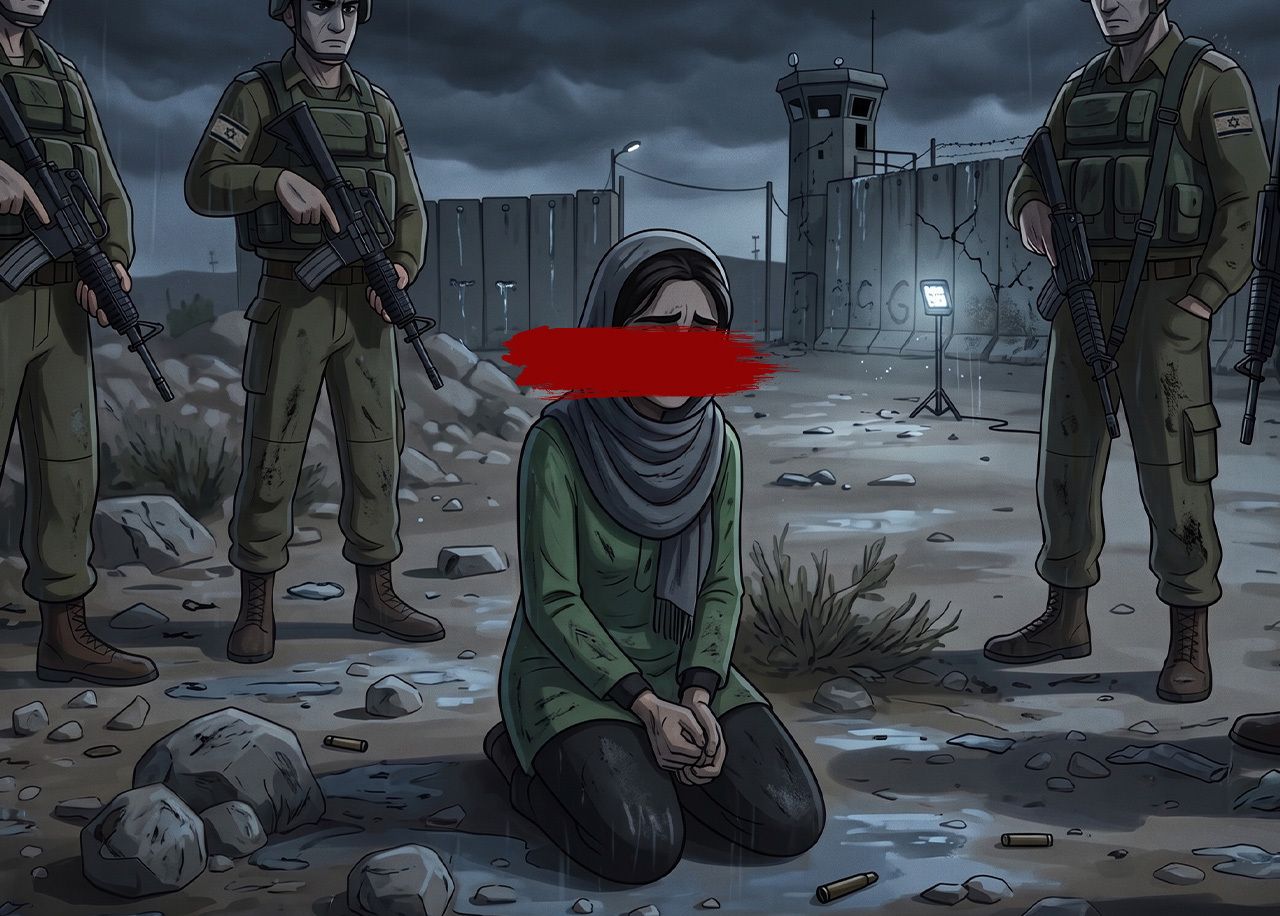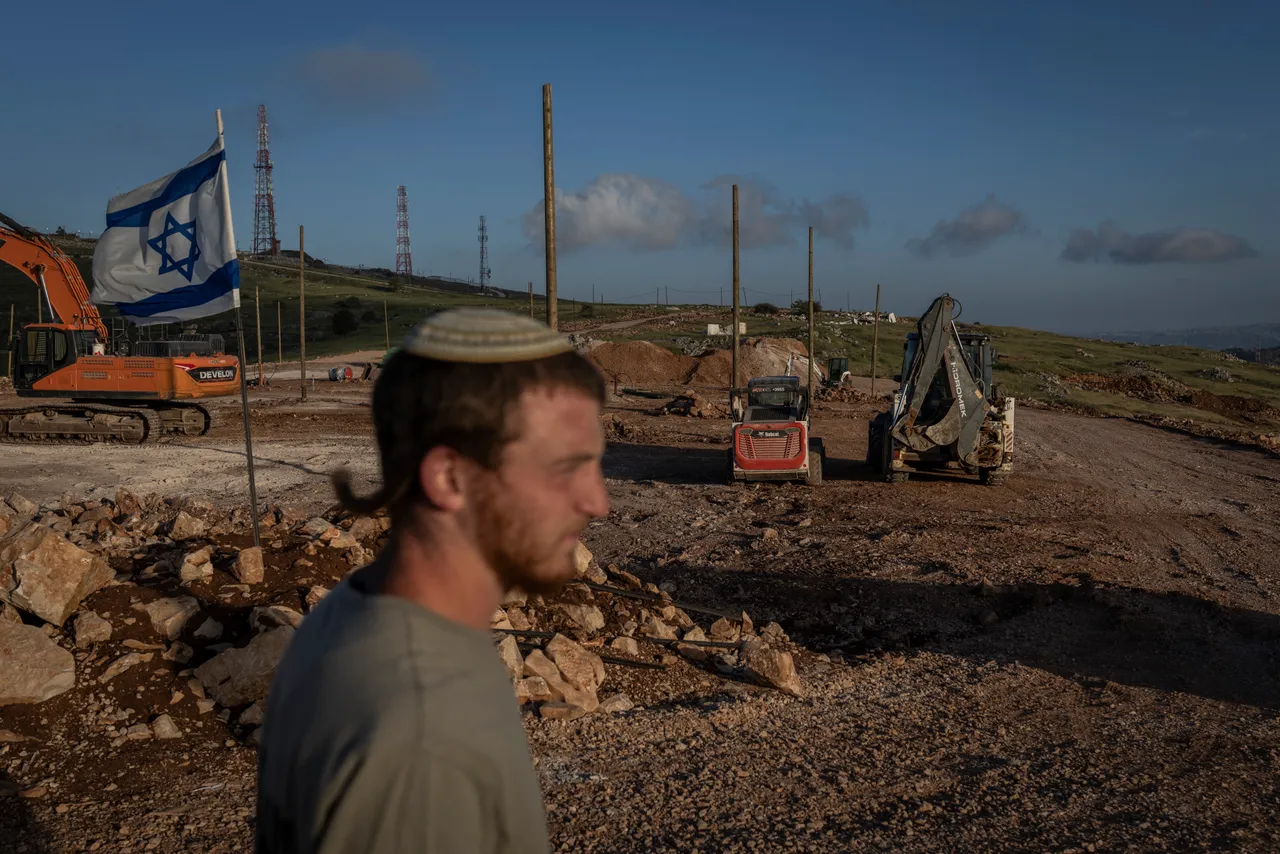
Sexual and gender-based violence is being used as a systematic instrument of displacement in the occupied West Bank, with more than 70 percent of displaced Palestinian households citing threats to women and children, particularly sexualised violence, as a decisive reason for leaving their homes, a new report by the Norwegian Refugee Council (NRC) says.
The April 20 report, “Sexual Violence and Forcible Transfer in the West Bank: How the Exploitation of Gender Dynamics Drives Displacement”, documents at least 16 cases of conflict-related sexual violence linked to settlers and soldiers, including threats of rape, forced nudity, harassment and assault. Researchers say the true figure is likely higher due to underreporting.
“The evidence shows how sexualised violence is used to pressure communities, shape decisions about remaining or leaving their homes and land, and alter patterns of daily life,” the report states.
The report documents cases of indecent exposure, stalking near latrines, surveillance of bedrooms, forced nudity and sexual assault.
It also cites cases in which men were allegedly detained by illegal Jewish settlers after displacement and subjected to forced stripping, beatings and humiliation, with images of the abuse circulated online. In one case in the Jordan Valley, witnesses said a Palestinian man was sexually assaulted in front of his family, while women and girls were beaten and threatened.
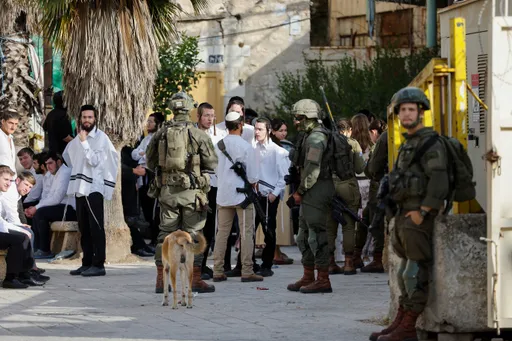
Researchers say Israeli forces were present during many incidents but did not intervene or investigate, reinforcing what the report describes as a climate of persistent impunity.
“There used to be an unwritten rule that women and children were off-limits,” one human rights representative told researchers. “That completely does not exist anymore.”

From public space into the home
The report finds violence is increasingly shifting from public areas into private spaces such as homes, courtyards and bedrooms.
In Wadi al-Qilt, settlers reportedly entered homes at night and said they would “sleep in residents’ beds.” In Susiya, women described harassment while hanging laundry near their homes.
“We are still in our house, but it is no longer a home. I live with fear in every breath I take,” a woman from Jalboun said.
A Bedouin woman said settlers arrived at her home alongside Israeli forces, after which two female soldiers ordered her to undress and carried out a full-body inspection while making derogatory remarks.
“In Bedouin culture, any unwanted approach or interaction with a woman from outside the community is considered a serious violation,” a humanitarian worker said. “It is understood as an assault on her dignity.”
Families adopt gendered coping strategies
The consequences for displaced families are severe and gendered.
The report says families have adopted gendered coping strategies, including relocating women and children and arranging early marriages, to reduce exposure to harm.
Men restrict women’s and girls’ movement according to the report, while women are increasingly confined to the home, taking on heavier domestic responsibilities and losing economic independence.

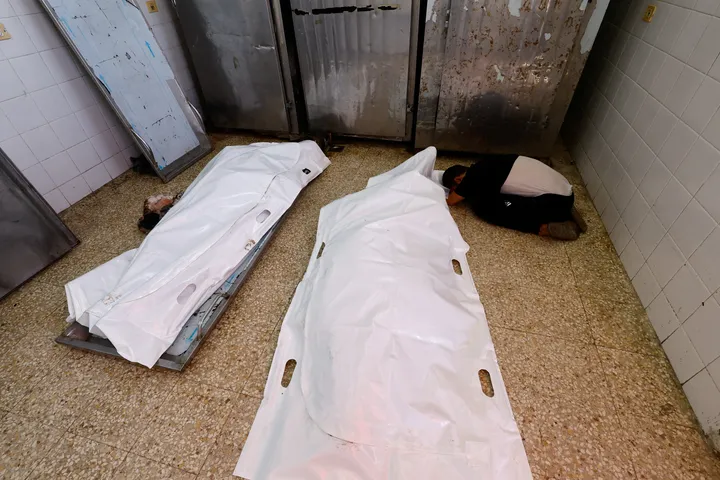
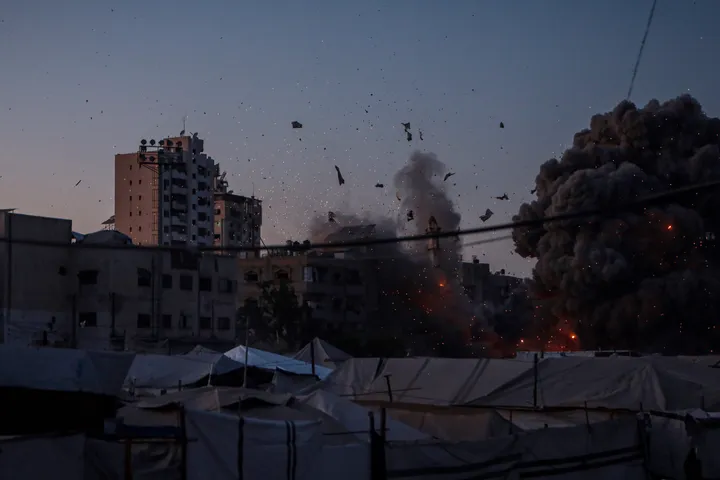
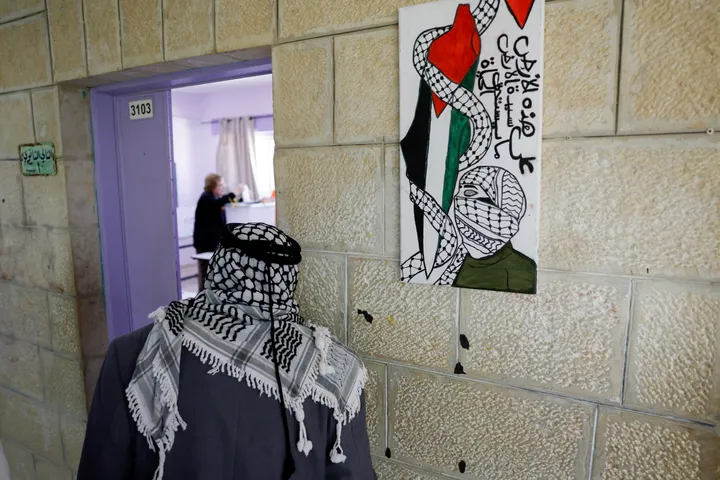



“At least six families reported arranging early marriages for daughters aged 15 to 17 to remove them from the environment”, according to a women’s legal aid advocate in Ramallah.
The report says 87 percent of women who experienced forcible transfer lost all sources of income, while 90 percent reported increased psychological stress and trauma. Among children, 63 percent showed heightened fear and anxiety, and 40 percent lost access to education.
Psychological toll of displacement
Leaving does not end the harm.
Women and children reported persistent anxiety, intrusive memories and fear of renewed violence in new locations, the report says, with 90 percent of respondents experiencing increased psychological stress after displacement.
One woman from Wadi al-Seeq said: “I used to be full of energy, helping other women in my community. Now I feel isolated and tired.”
A woman from Jalboun said her son no longer plays outside. “He says the land is sad and angry. He asks if the settlers will take the sky next.”
Another community member, speaking anonymously, described children walking long, dangerous routes to school. “They return frightened, saying they saw settlers’ tractors blocking their way. The children cry, saying they are scared to walk alone.”
A pattern of coercion in the occupied West Bank
Since January 2023, UN OCHA has recorded that more than 1,037 Palestinian households — or over 5,600 people, including 2,600 children — were displaced from 107 communities in connection with settler violence.
In the first three months of 2026 alone, 1,697 Palestinians were displaced, surpassing the total for all of 2025, the study says.
The UN Human Rights Office said on January 28 2026 that escalating settler violence is a key driver of displacement in the West Bank, and that forcible transfer within occupied territory may constitute a war crime and a crime against humanity.
The report also cites the International Court of Justice’s 2024 advisory opinion, which found that serious breaches of international law in the occupied Palestinian territory trigger obligations on all states to avoid recognition of the situation and to act to end it.
The report was released days after the Israeli military reinstated five soldiers accused of sexual assault at the Sde Teiman detention camp after charges were dropped. Amnesty International called the decision “yet another unconscionable chapter” in a pattern of impunity.
The NRC report also notes that settlers have referenced Sde Teiman in threats against Palestinians in the occupied West Bank, illustrating how detention-related allegations have amplified fear in affected communities.