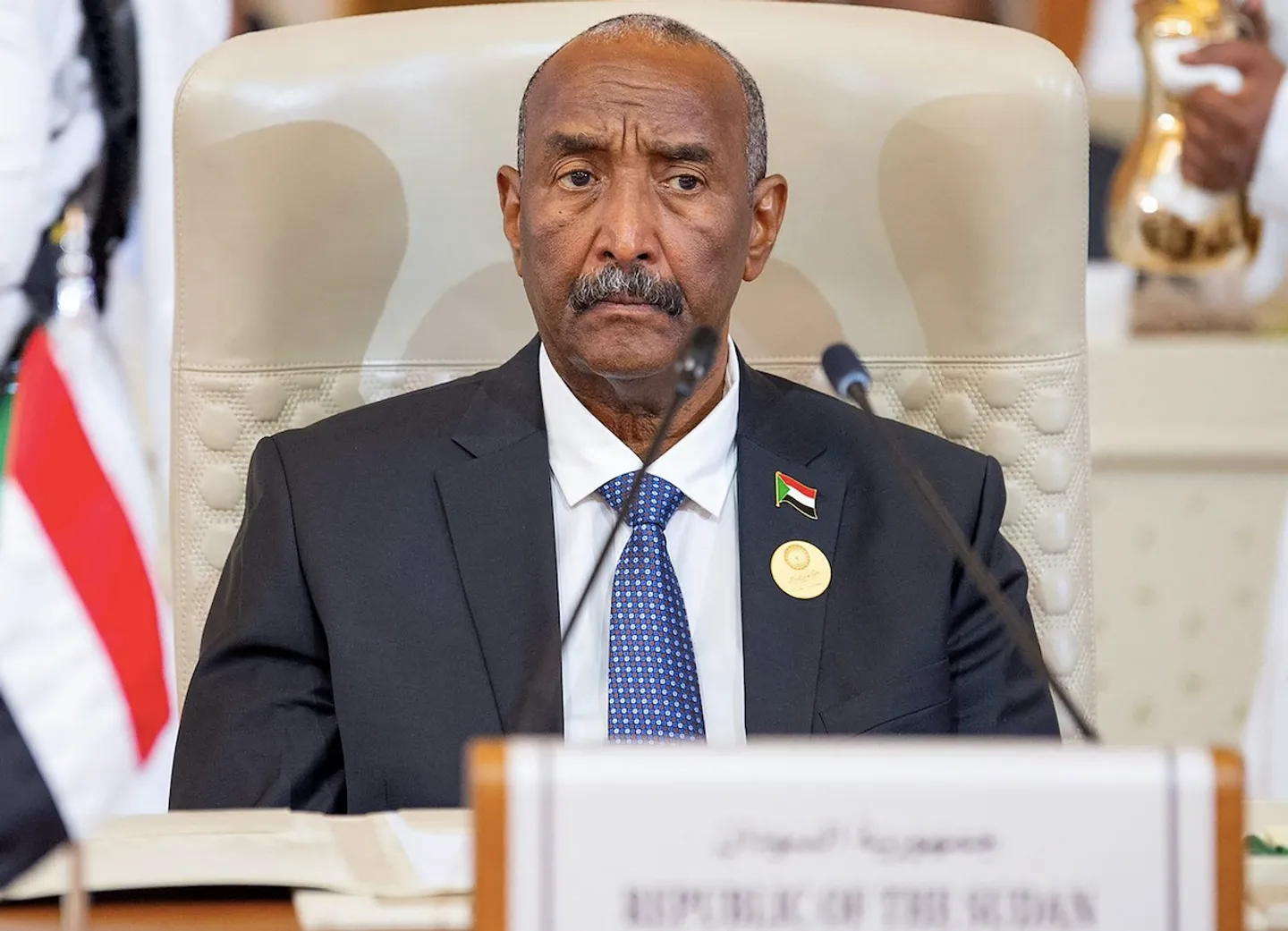
Sudan has rejected US remarks questioning the legitimacy of its government, calling on Washington to engage positively with Khartoum, as a dispute over Transitional Sovereignty Council Chairman Abdel Fattah al Burhan’s UN visa adds to tensions between the two countries.
The Sudanese foreign ministry said on Wednesday that Sudan “upholds its national sovereignty” and strongly rejected a US State Department statement, which refused to recognise the legitimacy of the Sudanese Armed Forces over constitutional governance.
The ministry said any peace initiative must respect Sudan’s sovereignty, unity, territorial integrity and national institutions, while also addressing what it called foreign interference in the conflict.
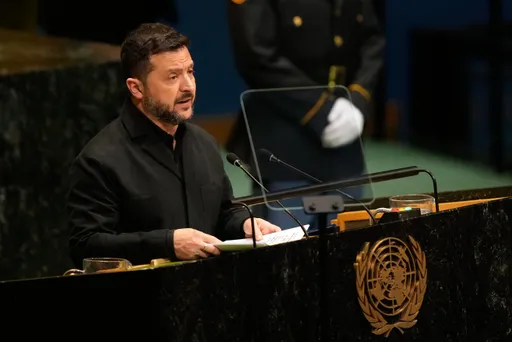
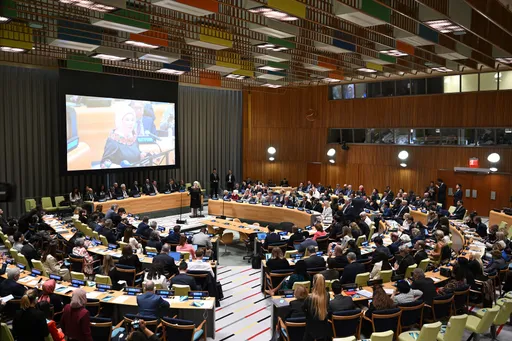
The response came after reports emerged that Washington was withholding a visa for Burhan ahead of his planned appearance at the UN General Assembly and had made its issuance contingent on his accepting a proposed 90-day ceasefire.
The UN Secretariat has raised the issue with US authorities.
Activists denounce reported visa conditions
The reported visa decision has drawn criticism from Sudanese activists and journalists, who have questioned whether access to the UN should be linked to negotiations over the conflict.
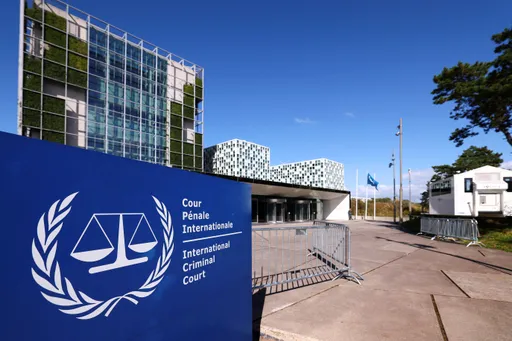
One X user, @Atifazhri, criticised the US move by pointing to Israeli Prime Minister Benjamin Netanyahu’s ability to obtain a US visa despite being wanted by the International Criminal Court on allegations of war crimes in Gaza.



“The issue is double standards – when visas become instruments of political coercion against a sovereign state while far more serious cases are treated differently,” the user wrote, adding that international law and justice should not be applied selectively.
The comments reflect growing criticism in Sudan over the reported visa conditions, while the US has not publicly confirmed that Burhan’s visa was formally made conditional on accepting the ceasefire.
Washington presses for ceasefire
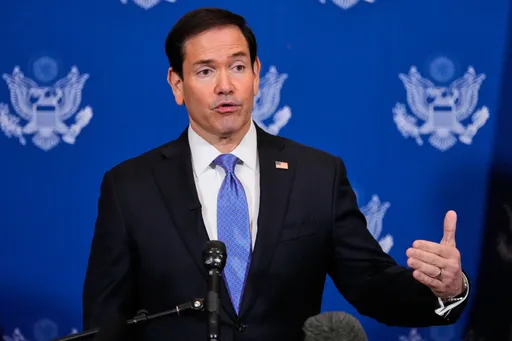
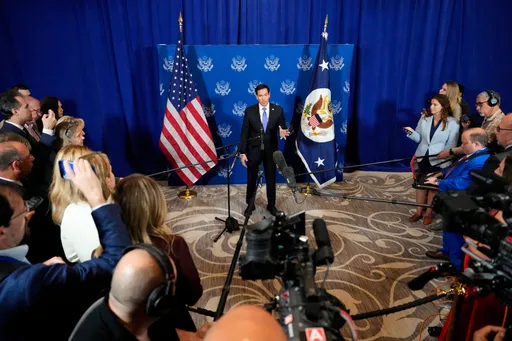
US Secretary of State Marco Rubio described efforts to mediate an end to Sudan’s war as frustrating, saying the parties had repeatedly agreed to commitments before backing away when they believed they could gain an advantage.
“We’ve had people agree to things, sign to things, and the commitments are never met,” Rubio told reporters in New York.
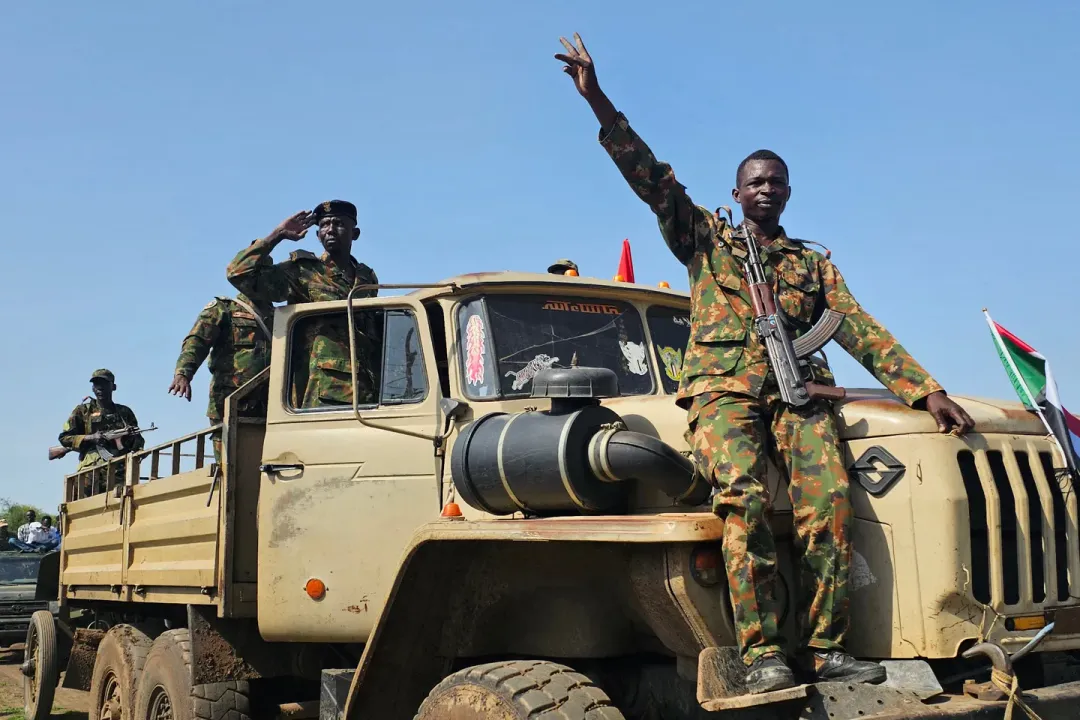
The conflict erupted in April 2023 after a power struggle between Sudan’s army and the paramilitary RSF. It has displaced more than 14 million people and created one of the world’s worst humanitarian crises.