Oman’s transport minister said on Wednesday that no fees can be imposed on ships transiting the Strait of Hormuz under international agreements signed by Muscat.
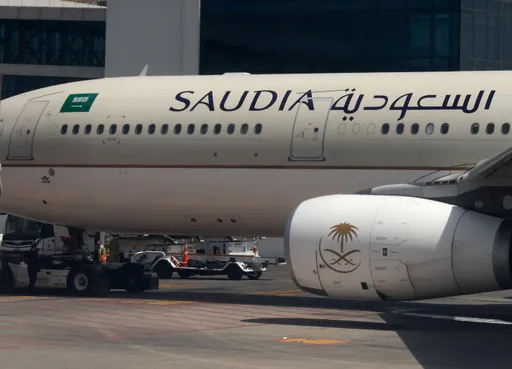
Transport Minister Said Al-Maawali made the remarks during a Shura Council session in response to a question about potential transit charges.
“Oman’s position on the Strait of Hormuz is clear. We have signed all international maritime transport agreements,” Al-Maawali said in his comments carried by Oman’s Al Wisal radio.
“The strait is a natural passage not created by human intervention, and therefore no fees can be imposed under international agreements signed by the sultanate,” he added.
The comments came after media reports cited an unnamed Iranian source as saying Tehran has proposed charging ships passing through the strait as part of efforts to end the war.
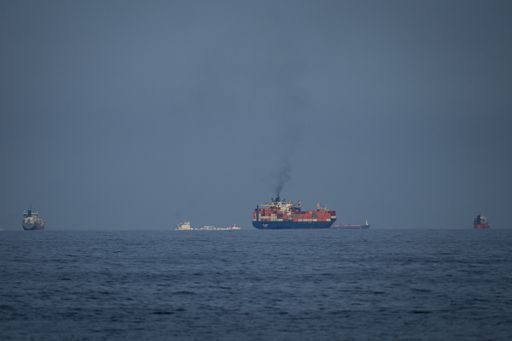
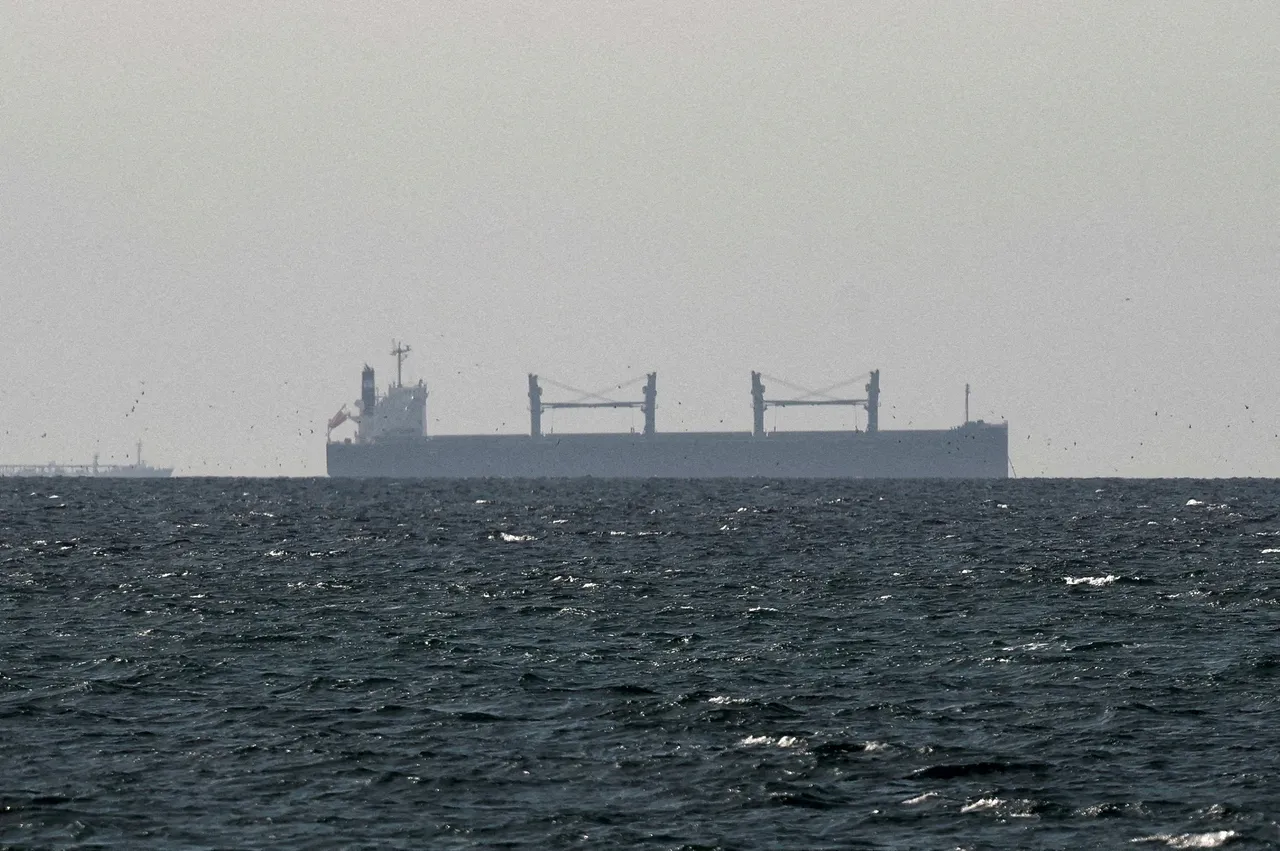
The Strait of Hormuz, a narrow waterway about 34 kilometres wide between Iran and Oman, connects the Gulf to the Indian Ocean and carries roughly 20 percent of global oil shipments.
Al-Maawali said Oman’s foreign ministry is discussing the issue and expressed hope for an outcome that benefits regional countries and the international community.

He added that some countries, including Iran and the United States, have not signed relevant agreements, creating what he described as a “legal gap.”
Oman said earlier that it held talks with Iran at the deputy foreign minister level to explore options to ensure smooth navigation through the strait.
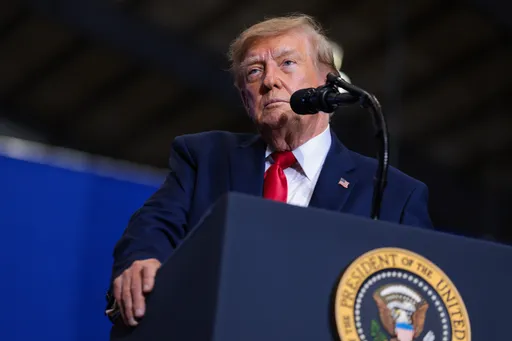
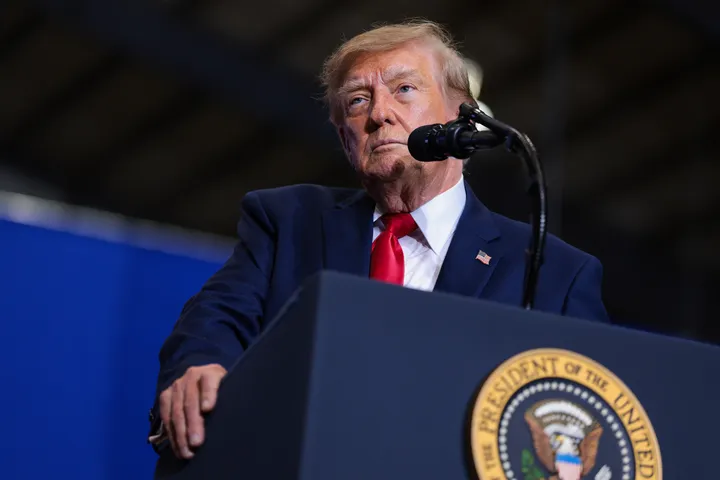
US President Donald Trump announced on Tuesday that he agreed “to suspend the bombing and attack of Iran for a period of two weeks.”
The announcement came less than two hours before a deadline Trump had set for Iran to reopen the Strait of Hormuz and accept an agreement or face what he described as the destruction of “an entire civilisation.”
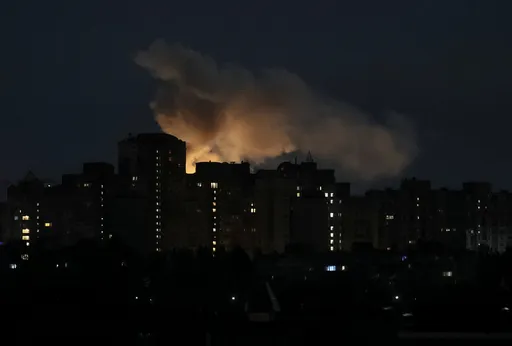
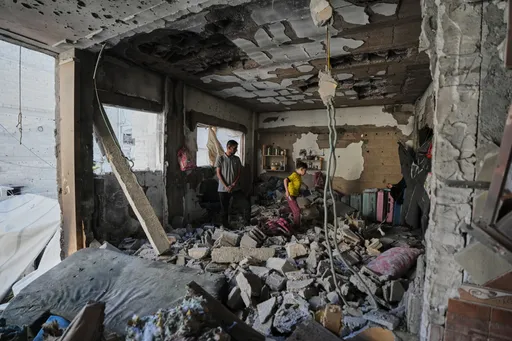
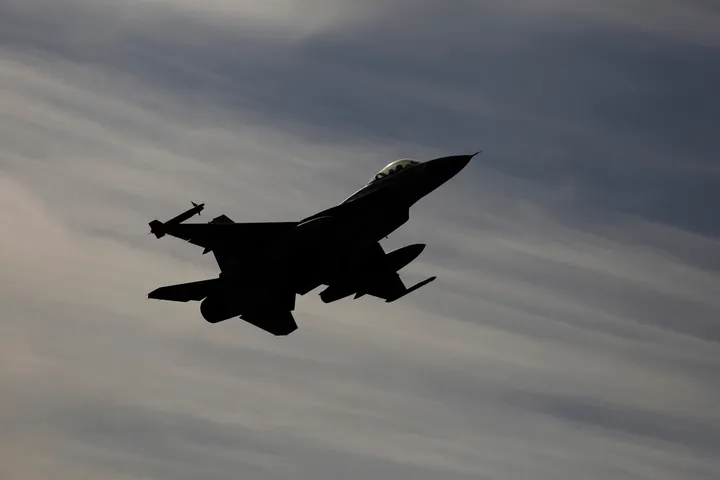
Regional tensions have escalated since the US and Israel launched a joint offensive against Iran on Feb. 28, killing more than 1,400 people, including then-Supreme Leader Ali Khamenei.
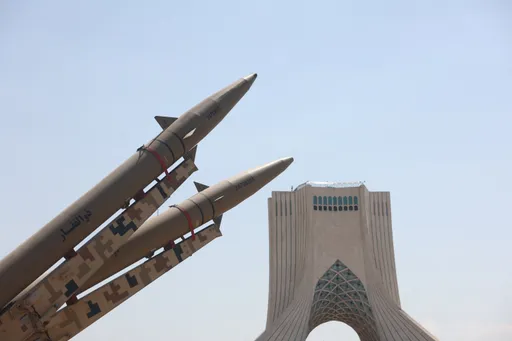
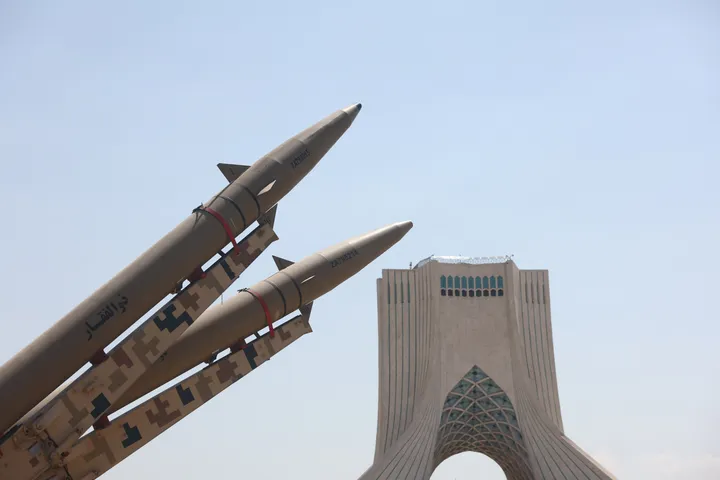
Iran has retaliated with drone and missile strikes targeting Israel as well as Jordan, Iraq and Gulf countries hosting US military assets. It has also restricted the movement of ships through the Strait of Hormuz.