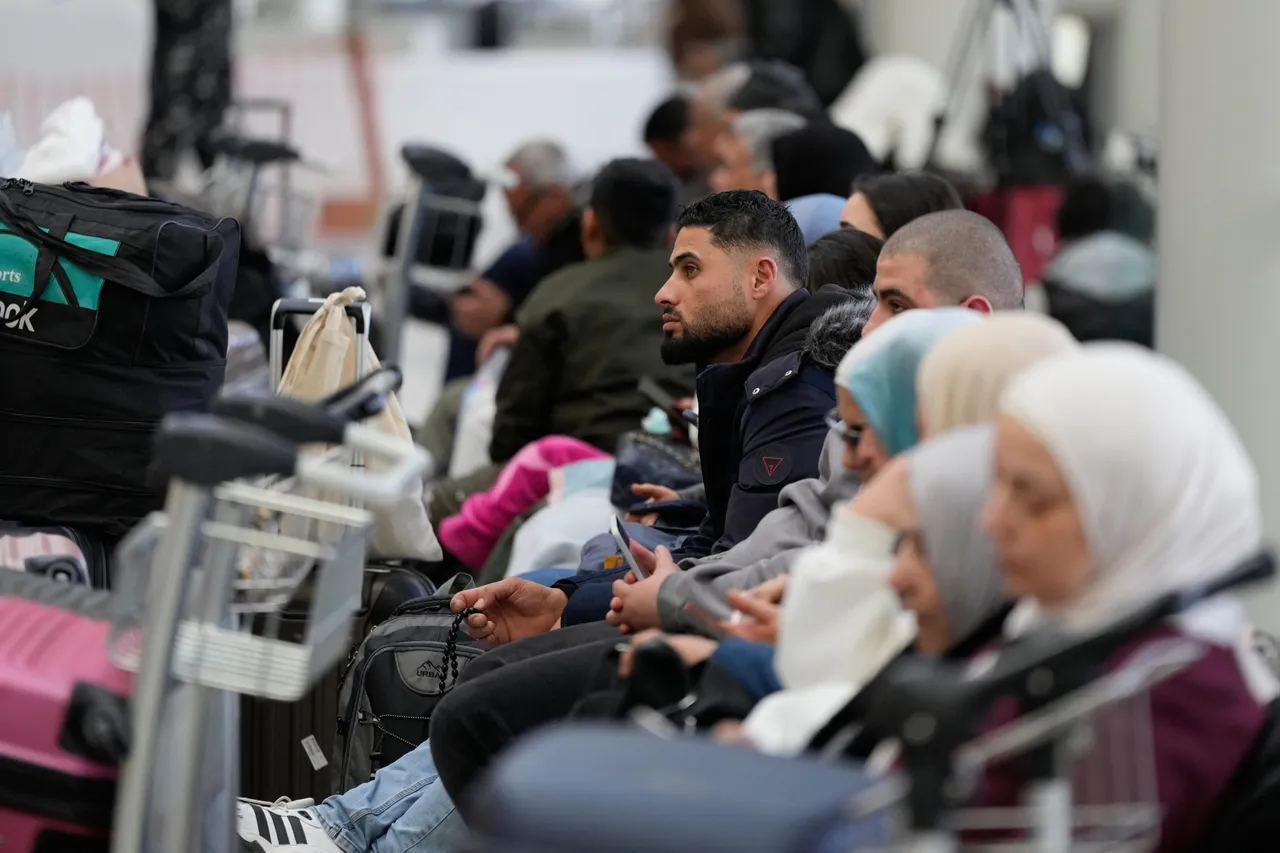
Global air travel remained heavily disrupted on Sunday as continued air strikes kept major Middle Eastern airports, including Dubai, the world's busiest international hub, closed in one of the sharpest aviation shocks in recent years.
Key transit airports, including Dubai and Abu Dhabi in the UAE, and Doha in Qatar, were shut or severely restricted as much of the region’s airspace remained closed, with the Gulf grappling with uncertainty after US and Israeli strikes killed Iranian Supreme Leader Ali Khamenei on Saturday.
Israel said it launched another wave of strikes on Iran on Sunday, while loud blasts were heard for a second day near Dubai and over Doha, after Iran launched retaliatory air attacks on the neighbouring Gulf states.
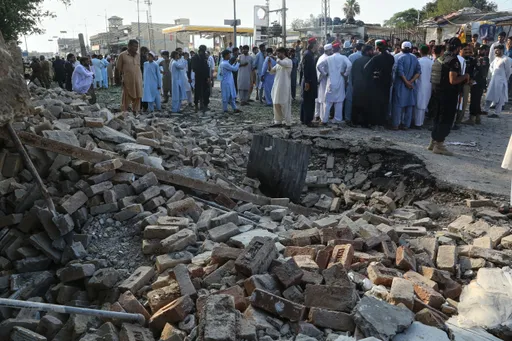
Dubai International Airport sustained damage during Iran's attacks, while airports in Abu Dhabi and Kuwait were also hit.
Thousands of flights have been affected across the Middle East since the US first launched attacks on Iran on Saturday, according to data on FlightAware, a flight tracking platform.
Ripple effect
The airport closures have rippled far beyond the Middle East. Dubai and neighbouring Doha sit at the crossroads of east-west air travel, funnelling long-haul traffic between Europe and Asia through tightly scheduled networks of connecting flights. With those hubs idle, aircraft and crews remained stranded out of position, disrupting airline schedules worldwide.







"It's the sheer volume of people and the complexity," said UK-based aviation analyst John Strickland.
"It is not only customers, it is the crews and aircraft all over the place."
Airlines across Europe, Asia and the Middle East cancelled or rerouted flights to avoid closed or restricted airspace, lengthening journeys and driving up fuel costs. The disruption has been intensified by the loss of Iranian and Iraqi overflight routes, which had grown more important since the Russia-Ukraine war forced airlines to avoid both countries' airspace.
The Middle East airspace closures were squeezing airlines into narrower corridors, with fighting between Pakistan and Afghanistan adding a further risk, said Ian Petchenik, communications director at Flightradar24.
"The risk of protracted disruption is the main concern from a commercial aviation perspective," Petchenik said.
"Any escalation in the conflict between Pakistan and Afghanistan that results in the closure of airspace would have drastic consequences for travel between Europe and Asia."