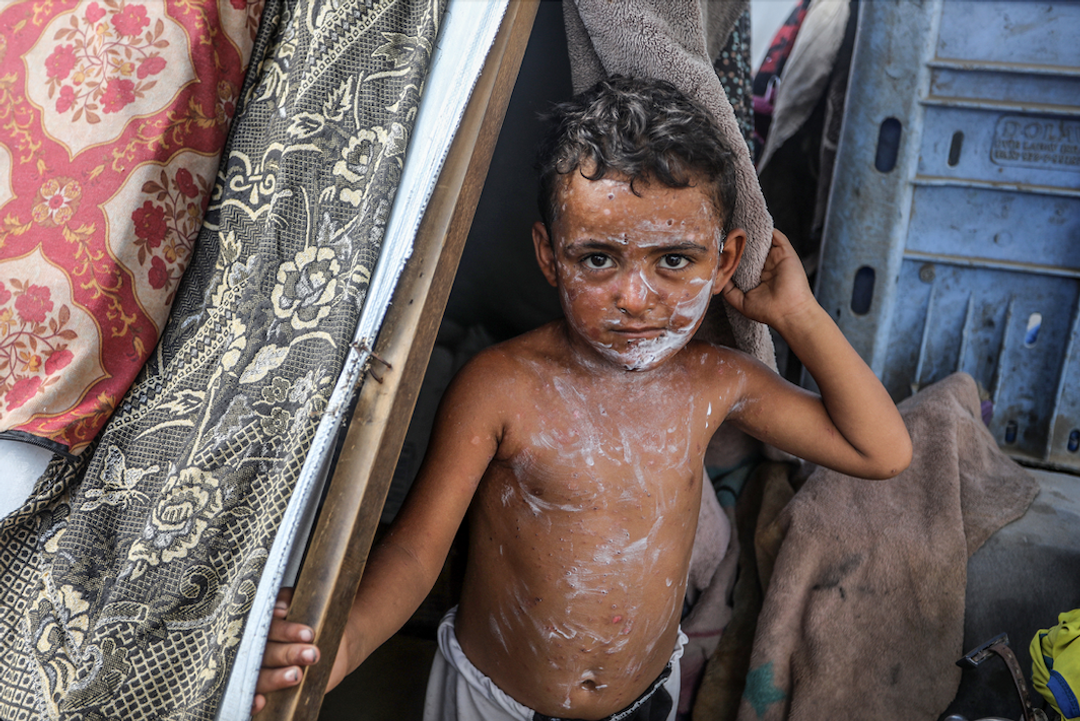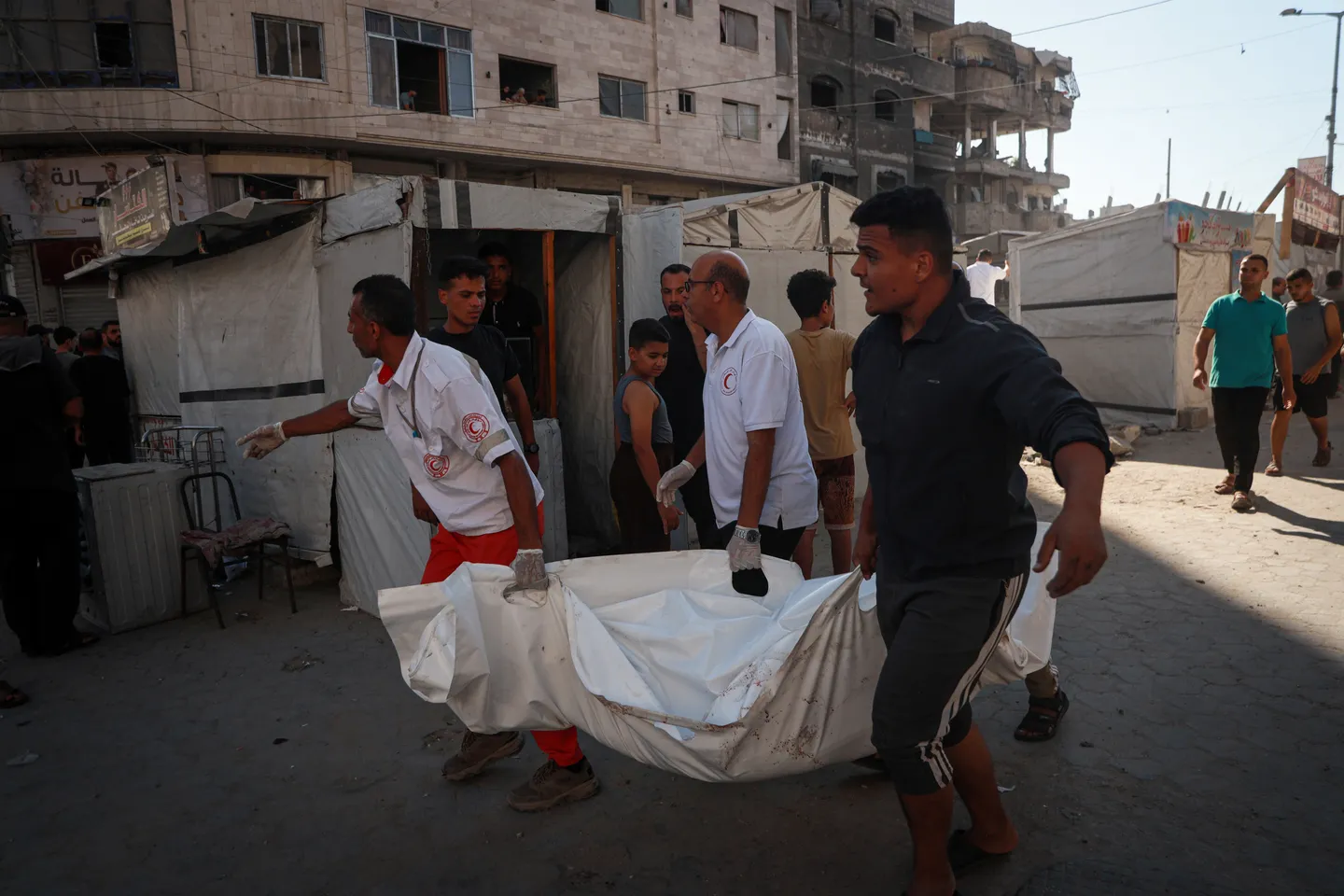
The UN has warned of "major public health risks" facing civilians in Gaza, with rodent and ectoparasite infestations reported in 83% of displacement sites assessed earlier this month.
Citing the Office for the Coordination of Humanitarian Affairs (OCHA), UN spokesperson Farhan Haq said during a news conference on Wednesday that "civilians in Gaza face major public health risks, adding to the insecurity and displacement."
"Widespread rodent and ectoparasite infestations were reported in 83 percent of displacement sites assessed earlier this month, and that is alongside sewage in streets, stagnant water and poor sanitation conditions," he said, adding that humanitarians on the ground are "scaling up rodent control this week."
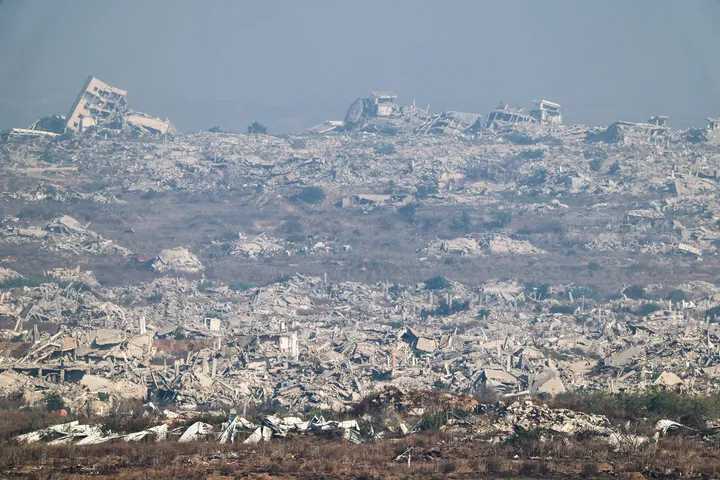
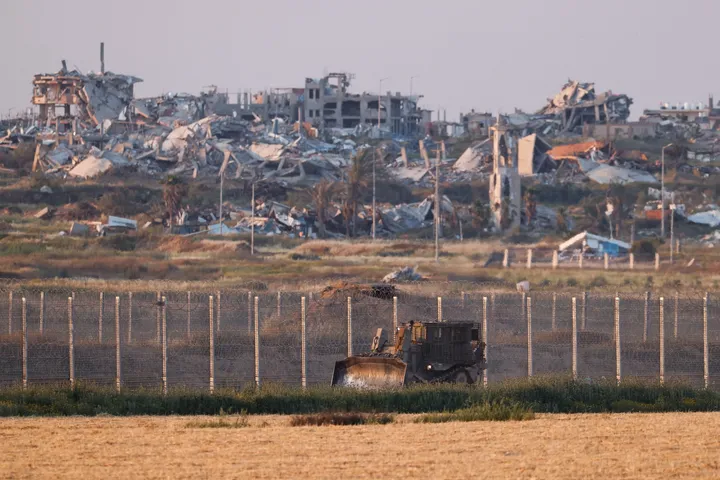
"To reduce public health risks, sustained access to critical equipment and supplies such as spare parts and engine oil is urgently needed," he said, adding that humanitarian partners managing solid waste must be permitted to access landfills in areas where access is restricted by Israeli forces, which he said accounts for about 65 percent of Gaza.




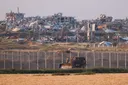

"Access to water also remains a daily challenge for families," he said, adding that the UN and its partners are supporting hundreds of thousands of children and their families with essential water, sanitation and hygiene services.
Israel has continued its genocidal war in Gaza since October 8, 2023. According to Gaza's health ministry, more than 73,000 Palestinians have been killed and over 174,000 injured, most of them women and children.
Despite a ceasefire deal that took effect on October 10, 2025, Israeli attacks have continued, killing at least 1,207 Palestinians and injuring 3,914 others, according to the ministry.