 Kazim Alam
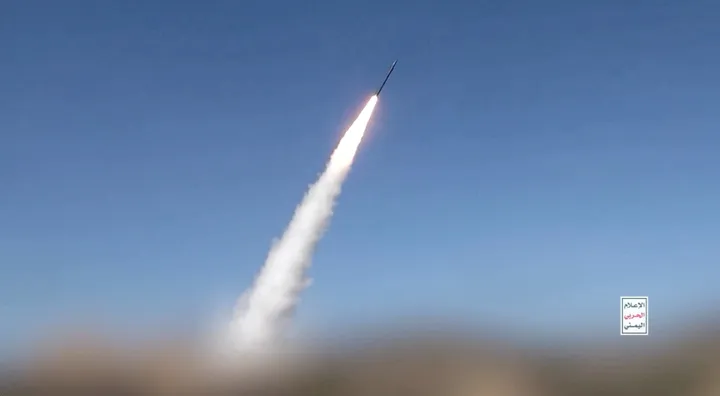
Suffering massive losses in US-Israeli strikes, Iran has resorted to retaliatory attacks on the neighbouring Gulf states hosting US bases, bringing the whole Middle East region to the verge of all-out regional war.
But despite being Iran’s largest economic benefactor, China has kept its public messaging measured.
Foreign Minister Wang Yi called the US-Israeli killing of Iran’s Ali Khamenei “unacceptable” and denounced the “blatant killing of a sovereign leader”.
Beijing also framed the US-Israeli push for regime change in Iran as a “flagrant violation” of the UN Charter.
It has urged an immediate ceasefire, sent a special envoy to the Middle East, and engaged in diplomatic calls with counterparts in Russia, Oman, and France.
Yet, China has offered no troops, weapons, or overt logistical aid to its long-time partner.
This is despite the fact that Iran’s retaliatory strikes have caused a serious disruption in the Strait of Hormuz, the narrow waterway connecting the Persian Gulf to the Gulf of Oman through which roughly one-fifth of global oil trade passes.
As a result, oil prices have spiked, creating chaos across global energy supply chains.
Experts say China's restraint reflects a deliberate strategy shaped by its economic calculus and a refusal to be drawn into a US-led quagmire.
Kadir Temiz, president of the Ankara-based Centre for Middle Eastern Studies (ORSAM), says China’s cautious approach should not be construed as neutrality in the conflict.
“No, I would not describe it as neutral,” he tells TRT World.
“China is trying to project a balanced image. But in practice, its diplomatic rhetoric leans closer to Iran, particularly in its criticism of escalation and external intervention,” he says.
Temiz describes Iran’s strategy as “a rational and calculated” one.
China supports Iran diplomatically to preserve its partnerships, but deliberately avoids any form of military involvement to minimise risks and maintain strategic flexibility, he says.
Josef Gregory Mahoney, professor of politics and international relations at East China Normal University, is of the same opinion.
“China is not neutral. Beijing has condemned the US-Israeli attacks against Iran,” he tells TRT World.
Mahoney notes “unproven” Western allegations of China’s covert military aid to Iran – something he calls possible but unlikely.
“More likely, China is working behind the scenes to create a diplomatic solution to protect as much as possible a strategic partner, its investments there, and its own access to energy,” he says.

China is Iran’s dominant oil customer, purchasing roughly 90 percent of Tehran’s exports and accounting for a significant share of Beijing’s imports – a lifeline that has sustained Tehran despite US sanctions.
Iran circumvents the Western sanctions by sending oil to Beijing in “dark-fleet tankers” against payments in the yuan via second-tier Chinese banks.
That’s because, unlike Russia – allowed to sell oil globally as long as the price is less than $60 a barrel – there’s a blanket ban on the sale of Iranian oil using Western banking and shipping channels.
Small, independent refineries in China – known as teapots – buy Iranian oil shipments after rebranding them as Malaysian or Middle Eastern oil. These “teapots” now process as much as 90 percent of Iran’s total oil exports since large-scale state refiners like Sinopec and PetroChina stopped lifting Iranian crude in 2019.
A 25-year cooperation agreement signed in 2021 envisaged major investment into Iranian infrastructure under the Belt and Road Initiative.
Chinese firms already hold stakes in Iran’s infrastructure and energy projects worth billions.
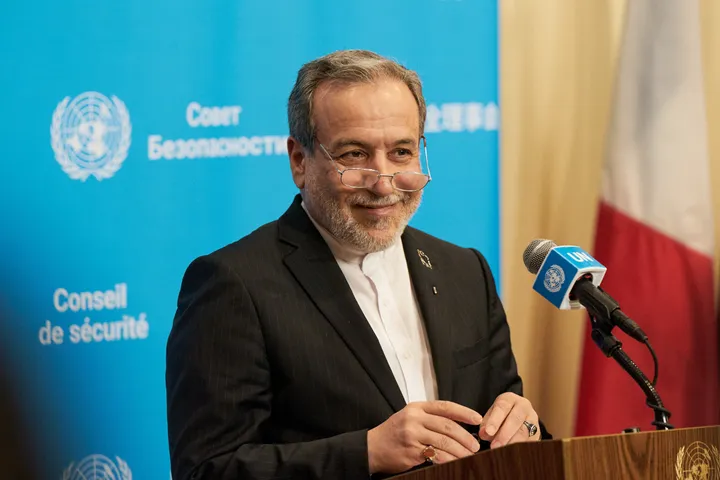
Temiz acknowledges Tehran’s disappointment. “Iran clearly expected a lot more from Beijing,” he says.
However, China’s approach is driven less by loyalty and more by cost-benefit calculations, which often leads to disappointment among its partners in times of crisis, he says.
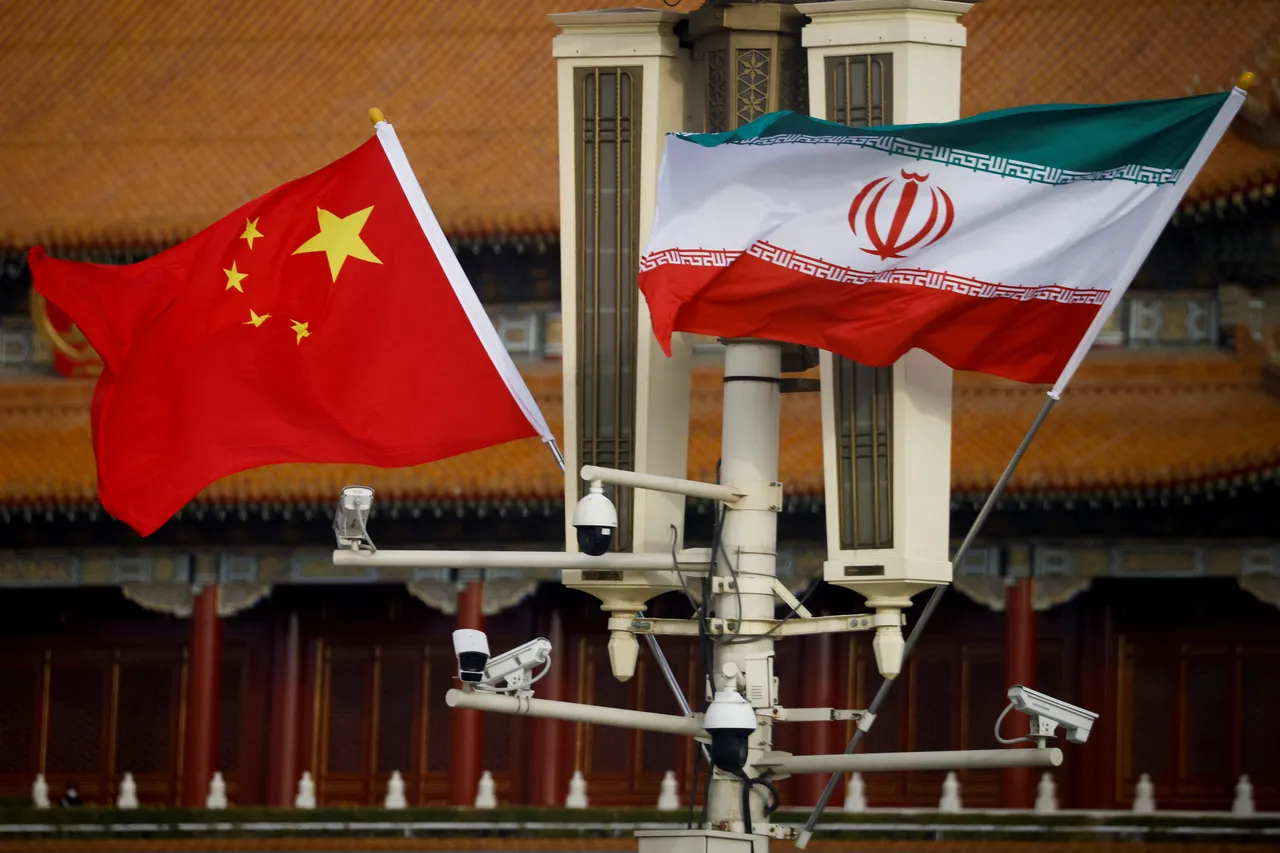
Mahoney frames the China-Iran relationship more bluntly: Beijing considers Iran a “strategic partner but not a strategic ally”.
The only formal military alliance Beijing maintains is with North Korea, under a 1961 treaty that was renewed until 2026. With everyone else, including Iran and Venezuela, Beijing steers clear of defence pacts.
“These two countries have taken a path that has resulted in direct confrontation with a much superior adversary, which is fundamentally opposite to Chinese strategic thinking,” Mahoney says.
Deterrents to China’s active involvement
Temiz lists several geopolitical risks that prevent China from deeper involvement in the crisis.
These include a potential energy crisis, disruptions to economic growth, and broader security instability, especially in regions close to China’s western periphery, such as Central Asia.
A prolonged closure or disruption of the Strait of Hormuz – through which much of China’s Middle East oil transits – will increase energy prices and strain an economy already grappling with post-pandemic recovery. Disputes with Washington on trade and tariffs also play a role.
Chinese analysts have ridiculed US calls for Beijing to help patrol the waterway, with the state-run Global Times asking whether the request was really about “sharing responsibility” or sharing the risk of a war that Washington started and can’t finish.
Mahoney points to multiple simultaneous fronts as deterrents to China’s active participation in the conflict.
China faces US arms sales to Taiwan, including an $11 billion package, Japanese militarism, and pressure in Venezuela.
“If China could counter the US militarily in Iran, then this capacity alone would have already triggered a conflict between the US and China,” Mahoney says.
“In other words, the US probably would not have allowed that sort of parity to materialise without initiating a fight beforehand,” he adds.
Temiz stresses that Beijing does not treat the Middle East as its backyard where it must limit the influence of its competitors.
“China does not conceptualise the Middle East as a traditional sphere of influence. Instead, it sees the region as a strategic economic and energy hub, where stability is more important than dominance,” he says.
This outlook explains why China has also urged Gulf states to unite against external interference, while quietly evacuating its citizens from both Iran and Israel and rerouting flights.
The ferocity of the US-Israeli war caught even Beijing off guard, according to Mahoney.
But this is not because of a miscalculation by China, he says. Rather, it is due to a miscalculation on the part of the US.
“In Chinese eyes, Washington risks a major strategic defeat, diverting resources from Asia, while Trump threatens to punish NATO allies and postpones his planned summit with Xi Jinping,” he says.
For now, Beijing’s playbook remains consistent with its broader strategy: avoid direct conflict and position itself as the responsible alternative to American hegemony.
Only an existential threat would shift that stance, experts agree.
“Only a direct threat to China’s core national interests — such as a violation of its territorial integrity or severe disruption to its critical economic lifelines — would push Beijing towards active involvement,” Temiz says.