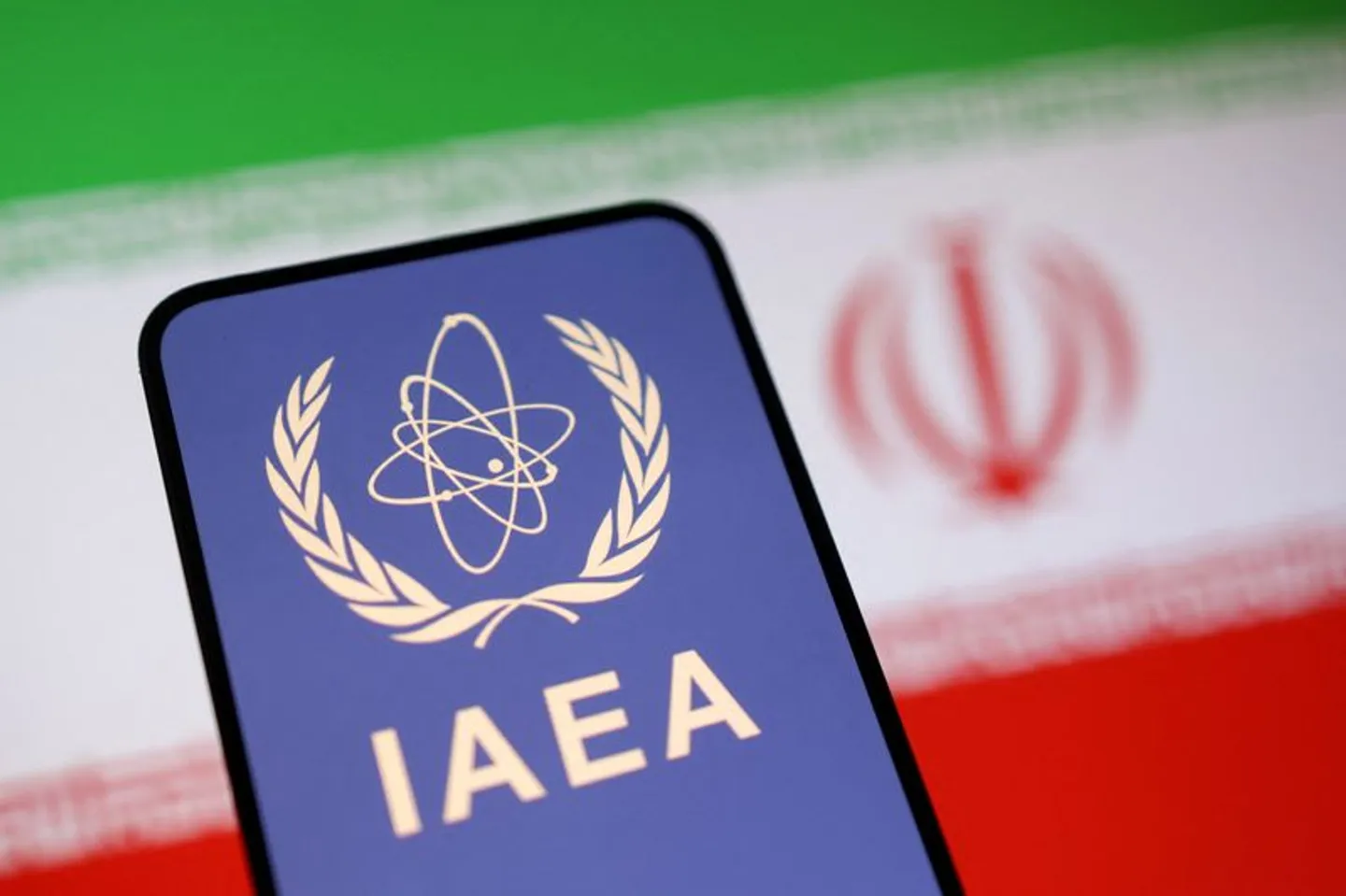
The head of the UN nuclear watchdog has urged Iran to provide the information and access needed to verify its previously declared nuclear material, including 440 kilogrammes of highly enriched uranium, warning that outstanding safeguards issues remain unresolved.
Addressing the UN Security Council, International Atomic Energy Agency (IAEA) Director General Rafael Grossi said on Tuesday that the agency continued to engage with Tehran to resolve questions concerning its nuclear programme and verify material at facilities covered by safeguards agreements.
“One area of particular concern is Iran’s previously declared nuclear material, which includes 440kg of High Enriched Uranium,” Grossi said, adding that the issues had remained outstanding for more than five years.
IAEA seeks access to nuclear facilities
Grossi said the agency had withdrawn all its inspectors from Iran by the end of June 2025 for safety reasons following the start of military attacks.
Although inspectors had been available to return for months, he said Iran had not provided the information and access required to verify previously declared nuclear material at safeguarded facilities, including sites affected by military attacks and those that were not.
The Bushehr Nuclear Power Plant remains an exception, with IAEA inspectors currently conducting verification activities there.
Grossi also said Iran’s Atomic Energy Organization had engaged constructively with the agency to arrange the delivery of safeguards equipment needed to verify spent nuclear fuel before its transfer to a new dry storage facility, expected early next year.

“I invite Iran to work with the IAEA without any further delay to clarify outstanding safeguards questions,” Grossi said, stressing that providing access was Iran’s legal obligation.
Security Council adopts agenda amid divisions
The Security Council opened its session by adopting the agenda with 11 votes in favour, two against from Russia and China, and two abstentions from Pakistan and Somalia.
Grossi highlighted the scale of the IAEA’s global verification work, saying its inspectors spent more than 14,000 calendar days in the field last year, carrying out verification activities at more than 1,400 facilities and locations outside them.
The agency was able to draw safeguards conclusions for 179 states, he said, underscoring the role of inspections in monitoring compliance with nuclear safeguards obligations.
The dispute over access in Iran remains a key challenge for the agency as it seeks to establish the status of previously declared nuclear material and resolve outstanding questions about Tehran’s nuclear activities.