In a troubling development for global humanitarian efforts, the United States Agency for International Development (USAID) has reported that food products valued at $489 million are at risk of spoiling due to an executive order by President Donald Trump that aims to suspend foreign aid. This situation raises significant concerns about the impact on vulnerable populations who rely on this assistance.
A recent report from USAID's Office of Inspector General highlights the agency's struggles in managing humanitarian assistance amid widespread staffing reductions and uncertainty regarding foreign assistance waivers. The report, released on Monday, indicates that these challenges have severely hampered USAID's ability to distribute and protect taxpayer-funded aid effectively.
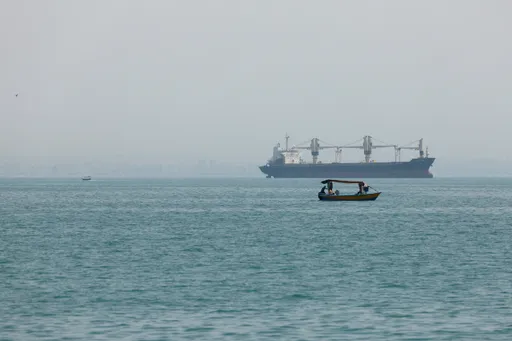
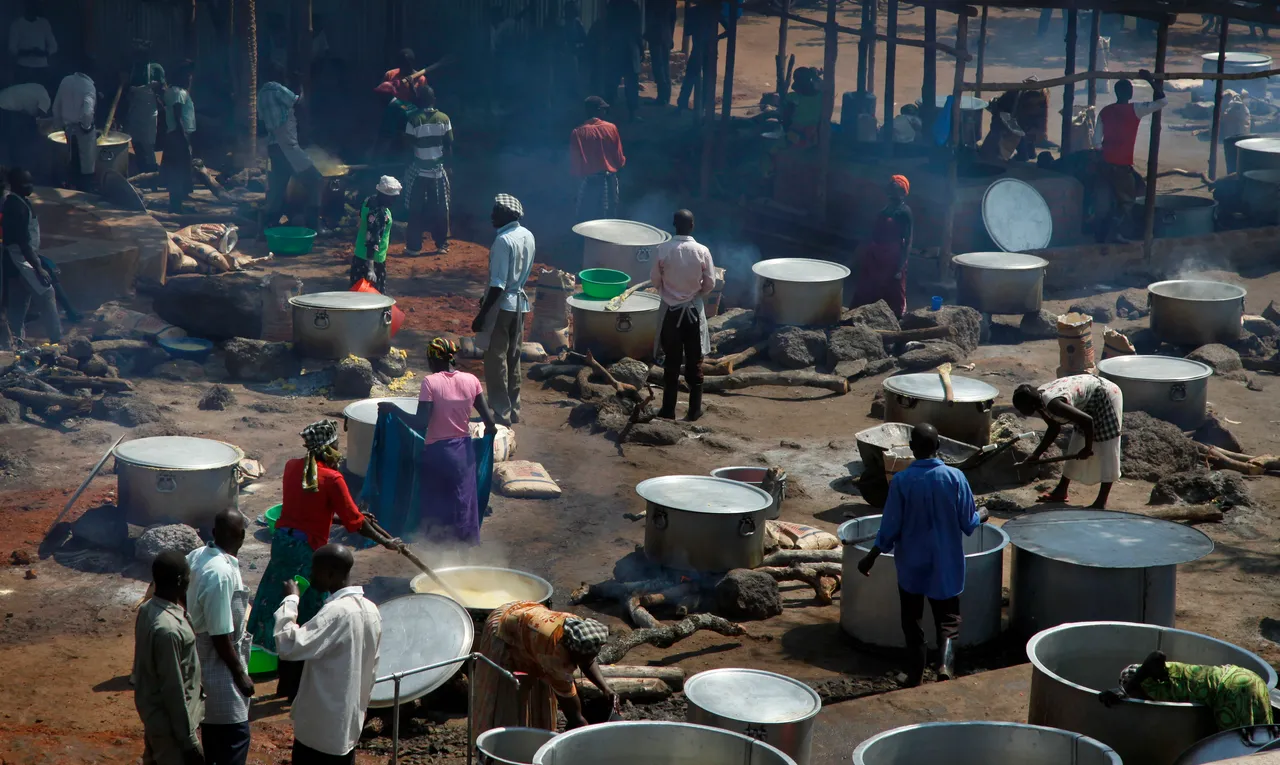
According to USAID staff, the uncertainty surrounding the agency's operations has left over $489 million worth of food assistance stranded at ports, in transit, and in warehouses, all of which are now at risk of spoilage. This predicament not only threatens the integrity of the food supply but also undermines the agency's mission to provide critical support to those in need.
The report further reveals that USAID staff have identified more than 500,000 additional metric tonnes of food that are either currently at sea or prepared for shipment. This alarming inventory highlights the scale of the crisis, as these food supplies are essential for addressing hunger and malnutrition in various regions around the world.
The food in question is sourced from American farmers through Title II Food for Peace, a longstanding program dedicated to international food aid, and is funded by the Commodity Credit Corporation (CCC). However, due to the exclusion of this funding source from the Secretary's emergency food assistance waiver, these vital commodities find themselves in a precarious situation, subject to spoilage and unanticipated storage needs.






Impact of Policy Changes on Global Aid
Historically, USAID has played a crucial role in funding a wide array of non-governmental organizations (NGOs) to fulfill its mission of promoting global development and humanitarian assistance. However, the recent shift in policy, influenced by suggestions from Elon Musk, who leads the Department of Government Efficiency (DOGE), has led to the suspension of USAID operations both domestically and internationally. This decision has resulted in widespread disruptions to global aid programs, significantly affecting numerous NGOs and media organizations that depend on USAID funding.
The implications of this policy shift are profound, as it not only jeopardizes the distribution of food aid but also threatens the livelihoods of organizations dedicated to alleviating poverty and hunger worldwide. The ripple effects of these changes are being felt across various sectors, raising questions about the future of international aid and the United States' commitment to global humanitarian efforts.
The timing of this crisis is particularly concerning, as it coincides with escalating humanitarian needs in regions such as Gaza and Sudan. The ongoing conflict in Gaza has resulted in severe food shortages for Palestinians, while the United Nations has repeatedly warned of a looming famine in Sudan. The spoilage of large quantities of food aid during such a critical period underscores the urgent need for a reevaluation of U.S. foreign aid policies and their impact on vulnerable populations.
As the situation unfolds, it remains to be seen how the U.S. government will address these challenges and ensure that essential food assistance reaches those who need it most. The stakes are high, and the consequences of inaction could be dire for millions of individuals and families around the world who depend on U.S. humanitarian aid for their survival.
.