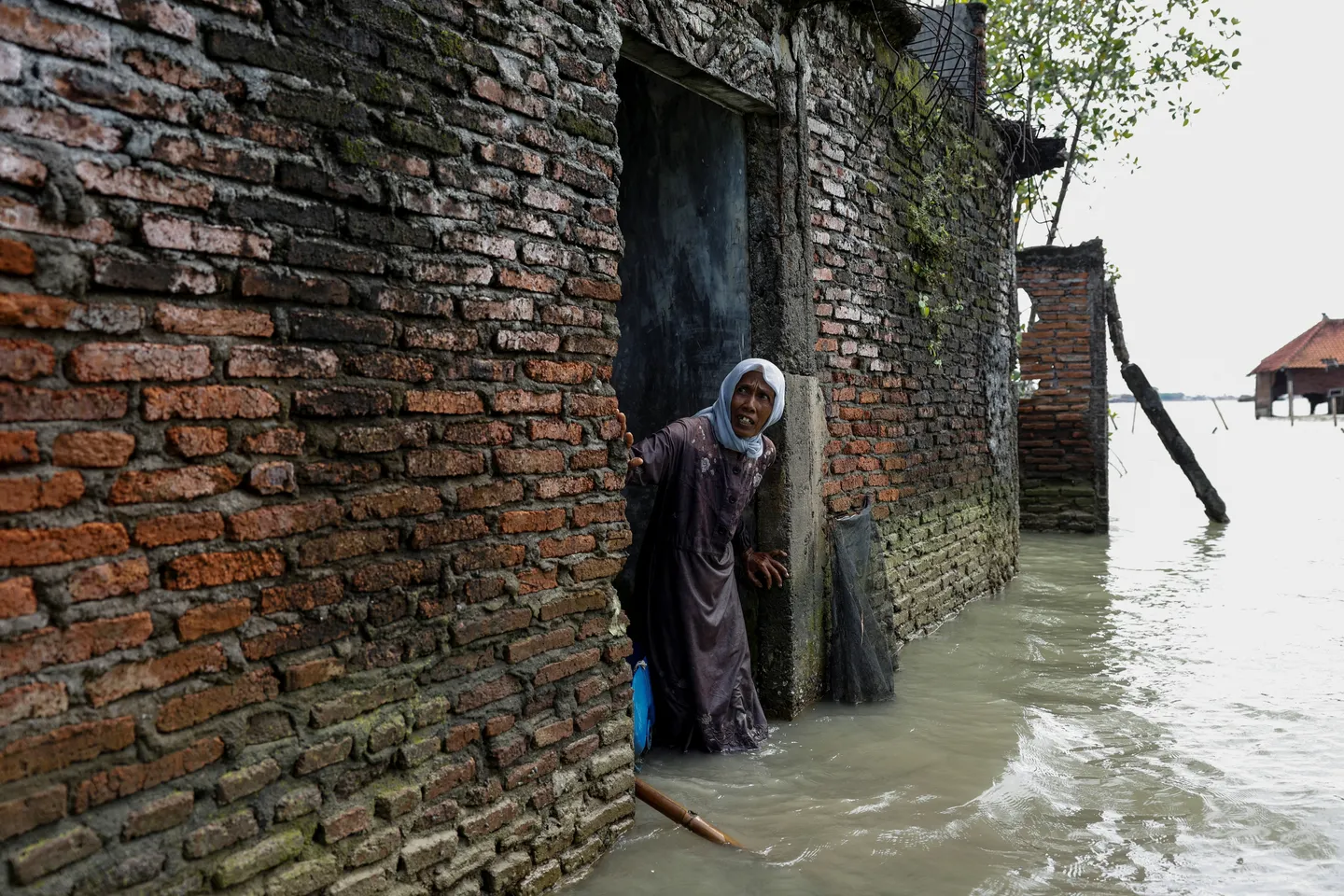
More than 1.5 billion women and girls worldwide — over one-third of the global total — live in areas where climate hazards intersect with economic insecurity and gender inequality, UN Women warned on Tuesday.
In a new fact sheet, the agency said 73 percent of countries acknowledge gender-specific climate risks in their national climate plans, but only slightly more than one-third address them comprehensively.
Under the worst-case scenario, climate crisis could push an additional 141 million women and girls into extreme poverty.
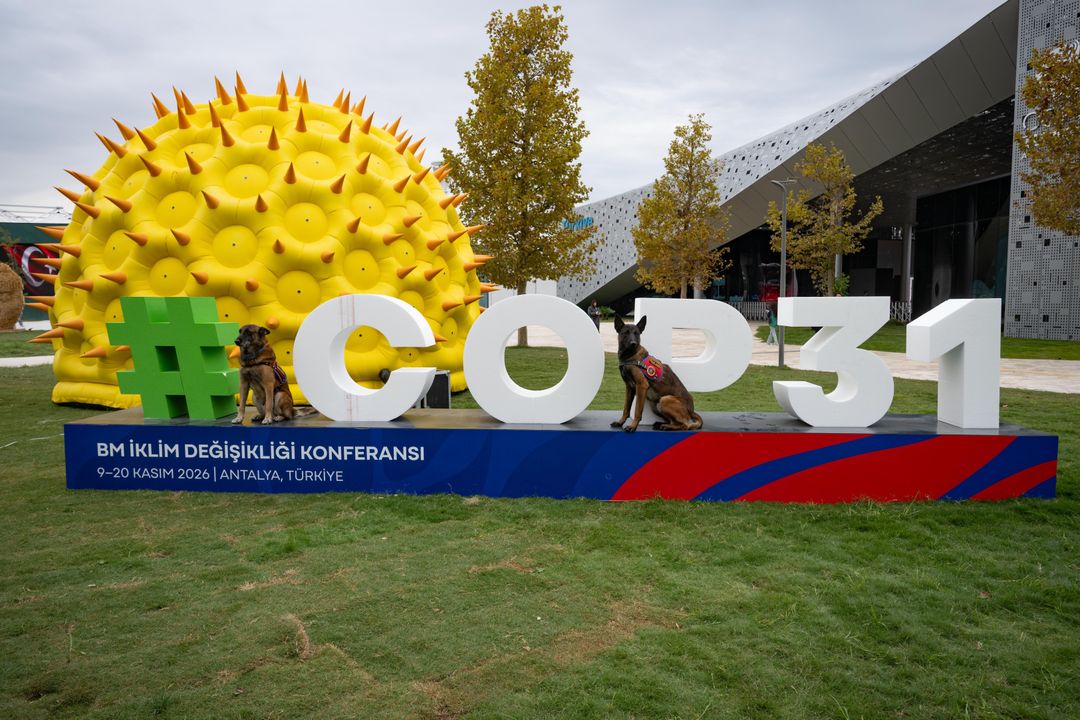
Data from 24 countries also showed that a 1°C temperature increase was associated with women losing 34 percent more of their total income than men did.




Across 14 countries, prolonged extreme drought was linked to 21 percent higher odds of sexual violence against adolescent girls and young women.
"Across the world, women are already leading the fight for a better future," UN Women Executive Director Sima Bahous said, calling for equal rights, resources and decision-making power.
At COP31, the agency urged governments to expand gender-responsive climate financing and protect women's rights.