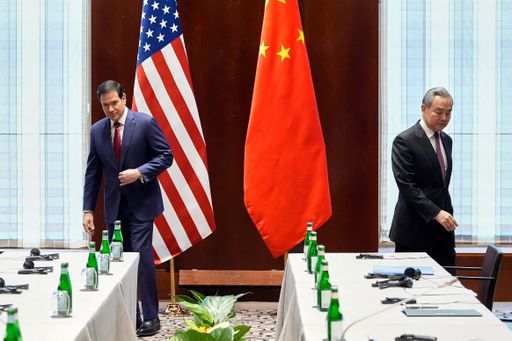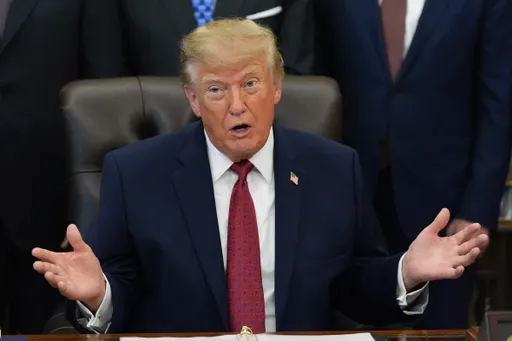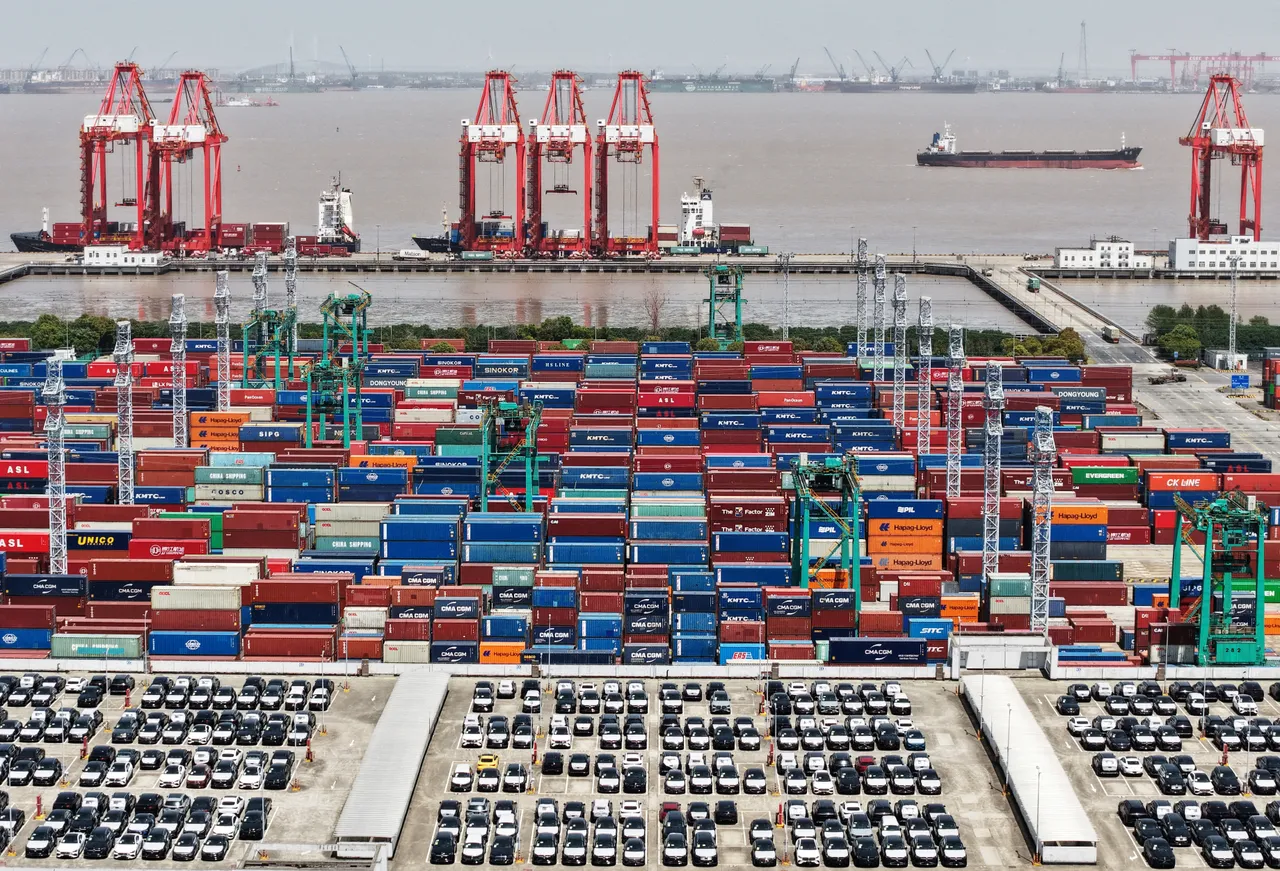
Beijing said it has "lodged representations" and urged Washington to "correct its erroneous ways" after the US launched new trade probes last week, with negotiators from both countries meeting in Paris.
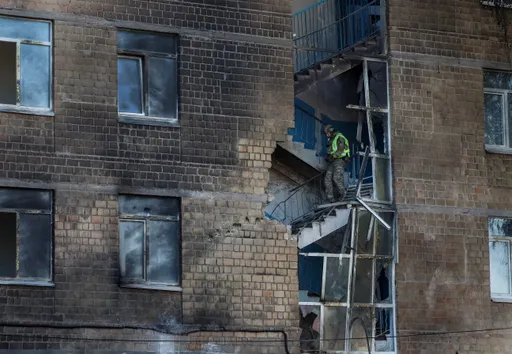
The trade talks come amid heightened regional tensions, with US President Donald Trump also appealing to China - and NATO allies - for support in reopening the Strait of Hormuz, as soaring oil prices from the US-Israeli war on Iran threaten global markets. Iran war now forms an unexpected backdrop to discussions that were originally centred on trade.
Washington's trade investigations target 60 economies, including China, and will look into "failures to take action on forced labour" and whether these burden or restrict US commerce.
Those investigations came a day after a separate set of US probes, centred on excess industrial capacity and targeting 16 trading partners, including China, which Beijing's foreign ministry criticised as "political manipulation".
"We urge the US side to immediately correct its erroneous ways, meet China halfway... and resolve issues through dialogue and negotiations," Beijing's commerce ministry said in a statement on Monday.
The latest round of investigations "is extremely unilateral, arbitrary and discriminatory", it said, accusing Washington of "attempting to construct trade barriers".
Trade officials from both countries met in Paris on Sunday for talks that Washington has said would last for two days.
China has "lodged representations" with the US over the newest forced labour trade probes, the Chinese commerce ministry said.
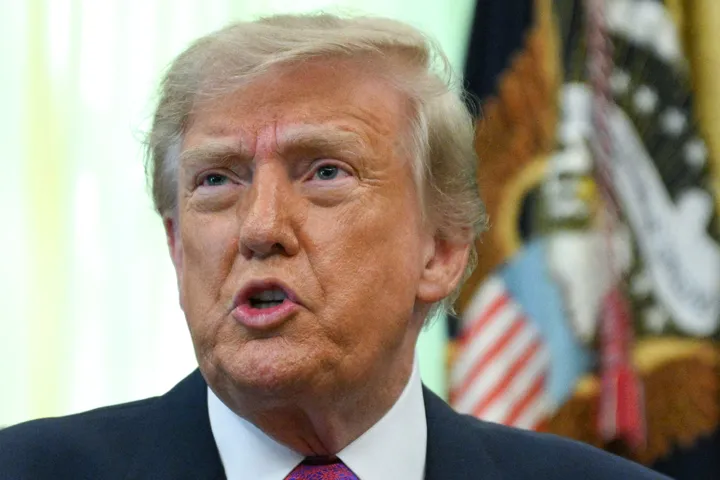

The US has already cracked down on solar panel imports and other goods from China's Xinjiang region under the Uyghur Forced Labor Protection Act signed into law by former President Joe Biden.
The two sets of trade probes will likely take months, but could justify new tariffs after the US Supreme Court struck down President Donald Trump's sweeping tariffs in February.
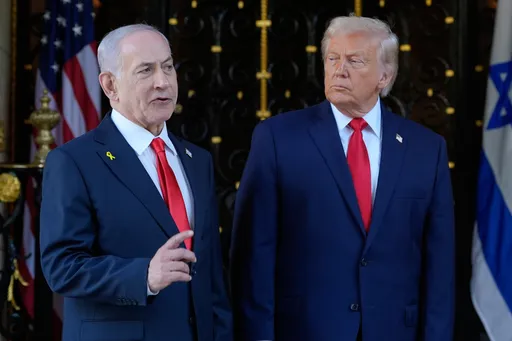
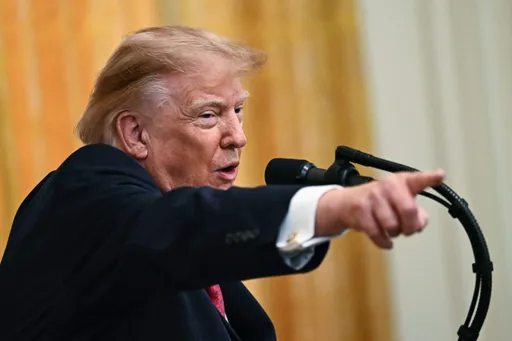
The trade discussions come amid heightened regional tensions, with Trump indicating that the conflict in the Middle East could affect his visit to China.
In an interview with the Financial Times, he suggested the trip, scheduled for March 31 to April 2, could be delayed as he seeks Beijing’s support in reopening the Strait of Hormuz and calming soaring oil prices caused by the Iran war.
The uncertainty underscores how US-Israeli strikes on Iran have reshaped global politics in the past two weeks. Calling off the face-to-face visit with Chinese President Xi Jinping could have major economic consequences, as Washington and Beijing have repeatedly threatened each other with steep tariffs over the past year.
Beijing's foreign ministry said on Monday that Beijing and Washington "are maintaining communication regarding President Trump's visit to China".
"Head-of-state diplomacy plays an irreplaceable strategic guiding role in China-US relations," spokesperson Lin Jian told a press conference.
He did not address Trump's recent pressure on NATO allies and China to help reopen the Strait of Hormuz.