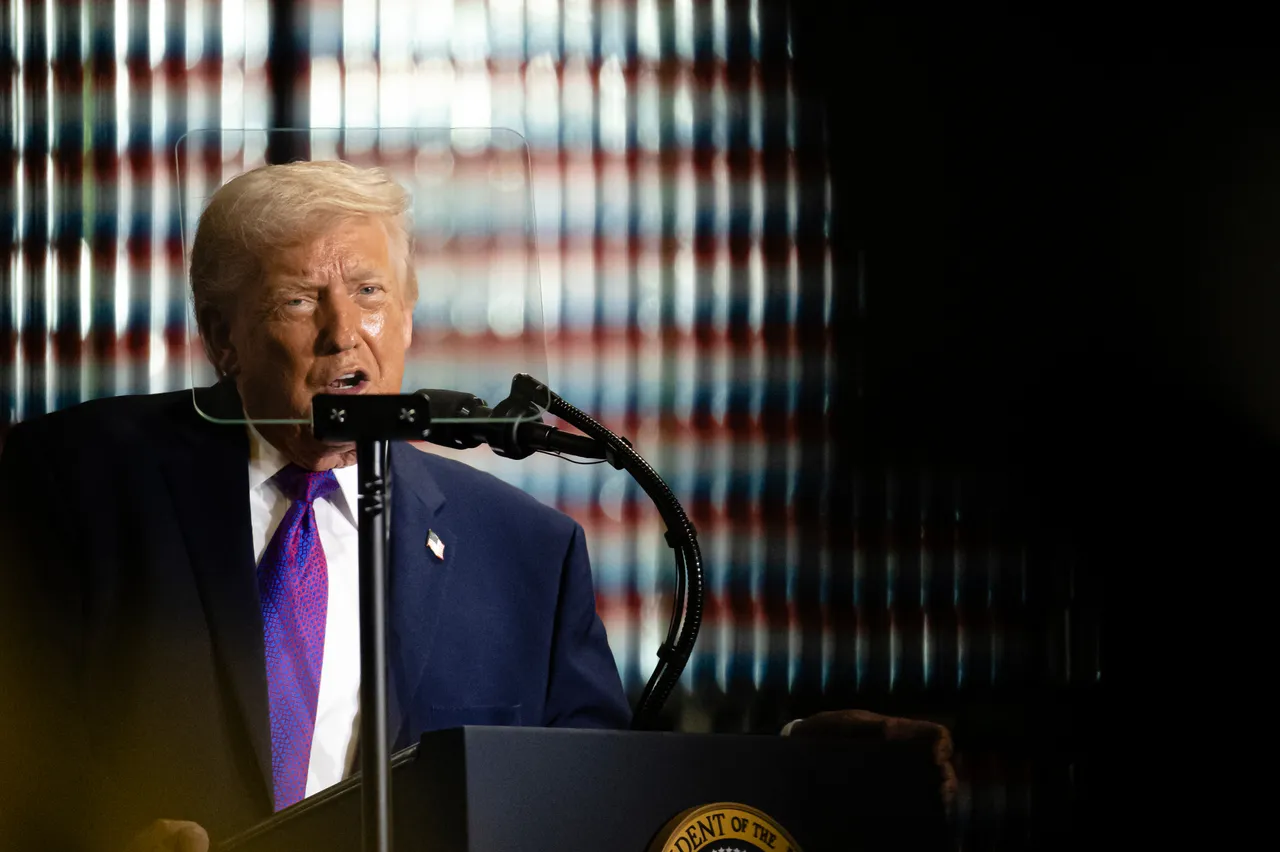
Donald Trump has said the US is talking to Cuba, that its leaders should agree to a deal, and that this could easily be done, a White House official has said, reiterating the US president's previous remarks after Havana confirmed that negotiations were under way.
Cuban President Miguel Diaz-Canel said earlier that his government had opened talks with Washington amid an oil blockade imposed by Trump, which is pushing the nation deeper into an economic crisis.
"As the President stated, we are talking to Cuba, whose leaders should make a deal, which he believes 'would be very easily made'," the White House official told Reuters on Friday.
Diaz-Canel said in a video aired on state television that negotiations "have been aimed at finding solutions through dialogue to the bilateral differences we have between the two nations."
Cuba’s government said on Thursday it would soon release 51 prisoners, in what appeared to be a move to appease the Trump administration.
Diaz-Canel noted that a development to be announced on Monday would “greatly facilitate” the participation of Cubans abroad in the island’s “economic and social development program,” strongly suggesting that the government would allow Cubans overseas to invest in the nation’s economy.
Exiles in Florida and other regions with large Cuban communities have long pressed for this.



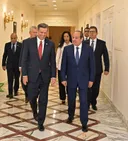
Crisis grips Cuba
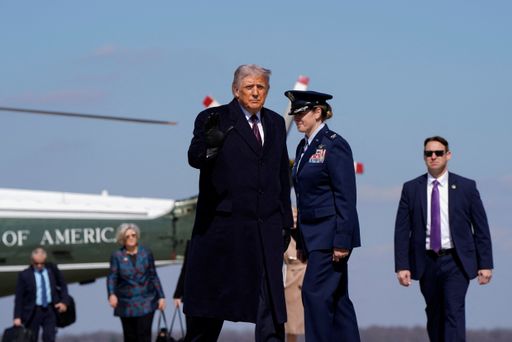
Since the US abducted Venezuelan President Nicolas Maduro in January, removing Cuba's most important foreign benefactor, Trump has cut off Venezuelan oil shipments to Cuba and threatened to slap tariffs on any country that sells oil to Cuba.
On Monday, Trump said Cuba may be subject to a "friendly takeover," then added, "it may not be a friendly takeover."
The Caribbean nation's citizens, exhausted by years of economic crisis and shortages, now live the majority of their days without electricity, strictly rationed fuel and shortages of medicine.
A January 29th executive order signed by Trump labelled Cuba an “unusual and extraordinary threat” to US national security and foreign policy interests.
The order established a national emergency framework, enabling Washington to expand punitive measures and increase economic and diplomatic pressure on the Cuban government.
"Cuba is a failing nation whose rulers have had a major setback with the loss of support from Venezuela and with Mexico ceasing to send them oil," the White House official said.