Beijing on Wednesday condemned the restrictions on imports of advanced robotic devices and connected power inverters, accusing Washington of using national security as a pretext to suppress Chinese technology and pursue protectionism.
Foreign Ministry spokesperson Mao Ning said the measures would do little to strengthen US competitiveness.
“Protectionism will not boost US competitiveness and will only harm the interests of US businesses and consumers,” Mao told a regular news briefing, according to the state-run Global Times newspaper.
She added that Beijing would continue to take “necessary measures” to firmly safeguard the lawful rights and interests of Chinese companies.
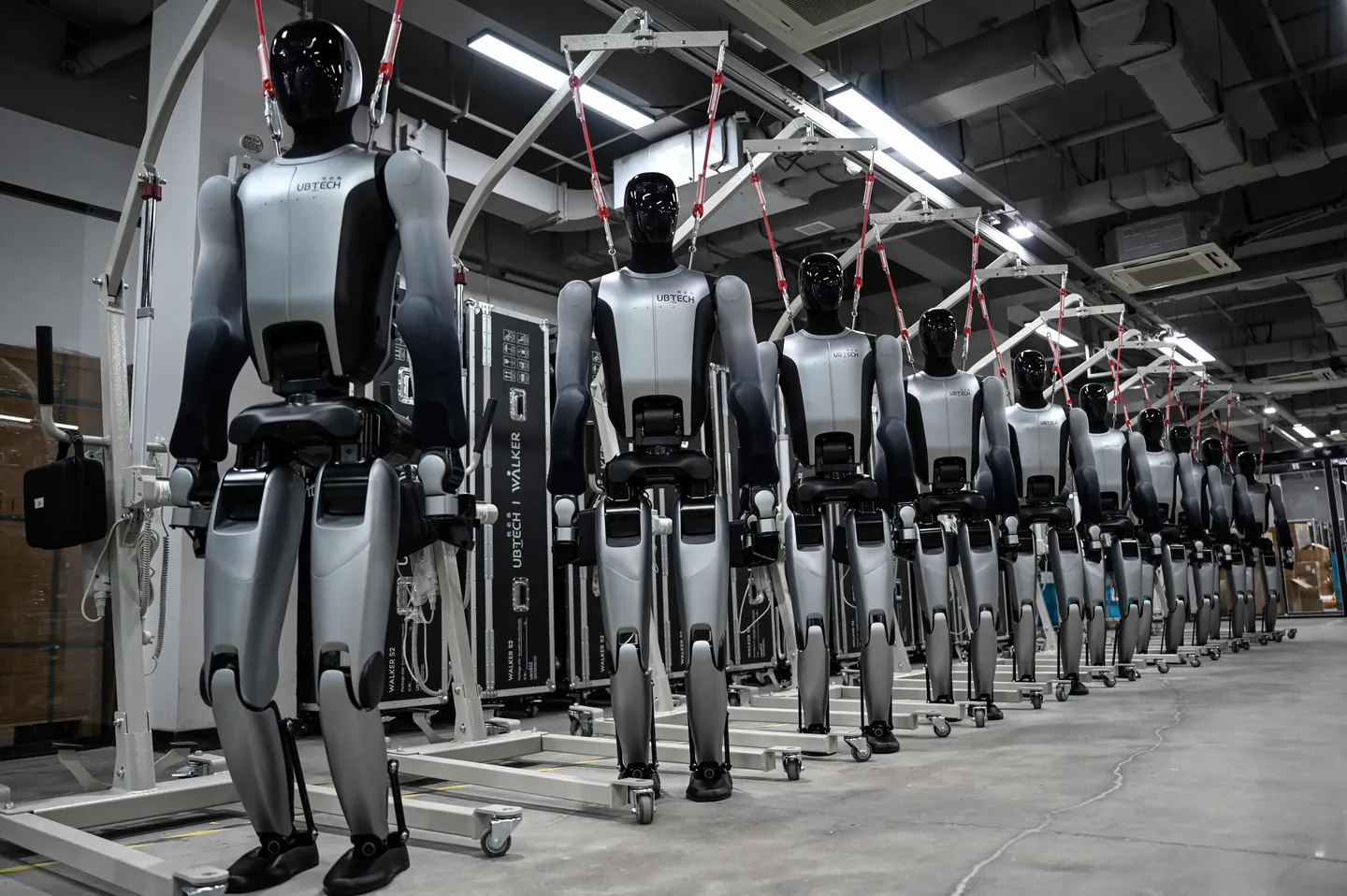
The Federal Communications Commission in the US said on Tuesday it would ban the import of foreign-made humanoid robots in a move that mainly targets China, arguing they pose a national security risk.
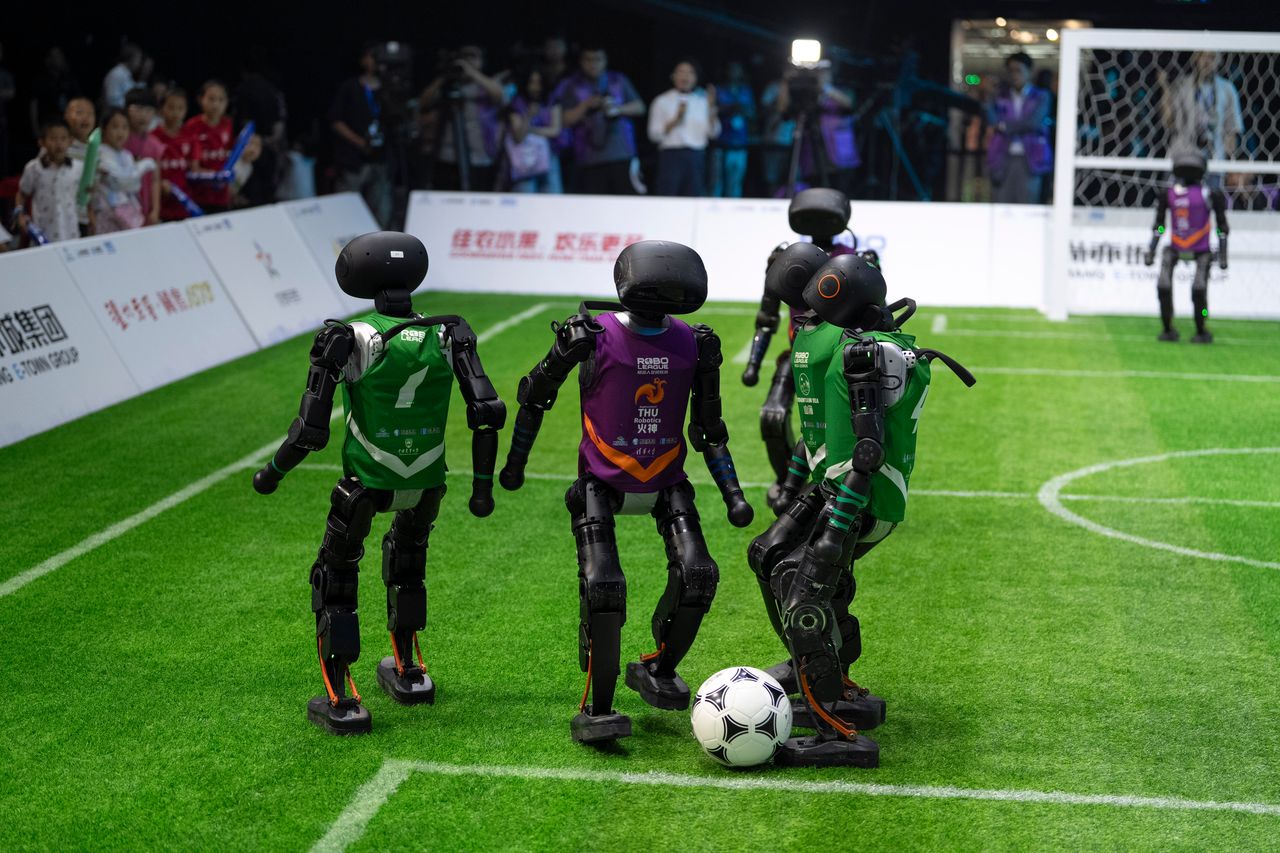
China makes substantially more humanoid robots than the US and other competitors, and analysts estimate that Chinese humanoid robots’ global market share has reached roughly 85 percent in 2025, according to Barclays.
The FCC’s ban includes new imports of humanoid robots, quadrupeds — often referred to as four-legged robot dogs — as well as foreign-made power inverters.
US seeks to keep Chinese technology out
In making the decision, the FCC said these advanced robots produced in foreign countries pose supply chain vulnerabilities to the US as well as cybersecurity and national security risks.
FCC chairperson Brendan Carr said in a statement that the move was to “secure America’s critical supply chains.”
The United States has been taking steps in keeping Chinese technology out with recent bans on imports, including of Chinese-made drones.
The US is also weighing restrictions on Chinese open-source artificial intelligence models, at a time when Chinese AI is rapidly gaining ground.
“It’s a steady drumbeat of potential flashpoints heading into (the) Trump-Xi summit planned for September,” said Samm Sacks, a senior fellow at New America think tank focused on Chinese technology policies.






US President Donald Trump is expected to meet Chinese leader Xi Jinping in September following their mid-May meeting in Beijing.
Trillion dollar humanoid robot market
Morgan Stanley analysts forecast China’s humanoid robot market could reach $15 billion by 2030. They also estimate the humanoid robots market to be worth $5 trillion.
“Chinese manufacturers have been scaling production and reducing costs faster than most overseas competitors,” said analyst Kangyuxiao Li at Morningstar.
“Restricting their access to the US removes an important future market and protects US developers from potential price competition,” he said. “However, it will not materially slow China’s overall humanoid development, given the size of its domestic manufacturing base and opportunities in other export markets.”
Of the around 15,000 humanoid robots shipped globally in 2025, Unitree and AGIBOT, two of China’s largest advanced robotics companies, each shipped more than 5,000, while their US counterparts like Tesla and Figure AI each shipped a few hundred or less, according to the technology research and advisory group Omdia.
When it comes to global markets, China is also targeting Europe, for example, as a key market for its advanced robots including humanoids, Omdia said.
China has pushed back and defended its technological advancements as an opportunity for the world, rather than a threat, as countries including the US raise concerns over how a “China Shock 2.0” could hurt their economies.
The latest US ban could also potentially impact collaborations between US and Chinese technology companies, said Lian Jye Su, a chief analyst at Omdia.
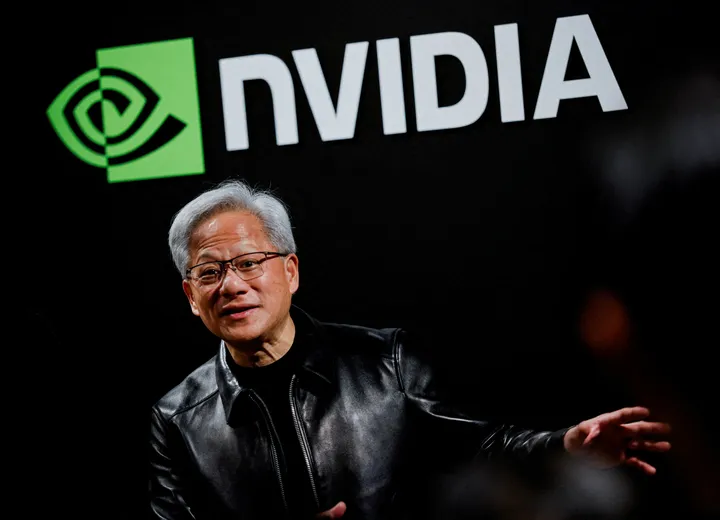
Nvidia, for example, in June revealed a humanoid robot reference design which uses the humanoid chassis of Chinese robot maker Unitree.
The Pentagon recently placed Unitree alongside several major Chinese technology companies on its list of firms that it said have ties to or aid the Chinese military, a claim that Beijing said it “firmly opposes.”