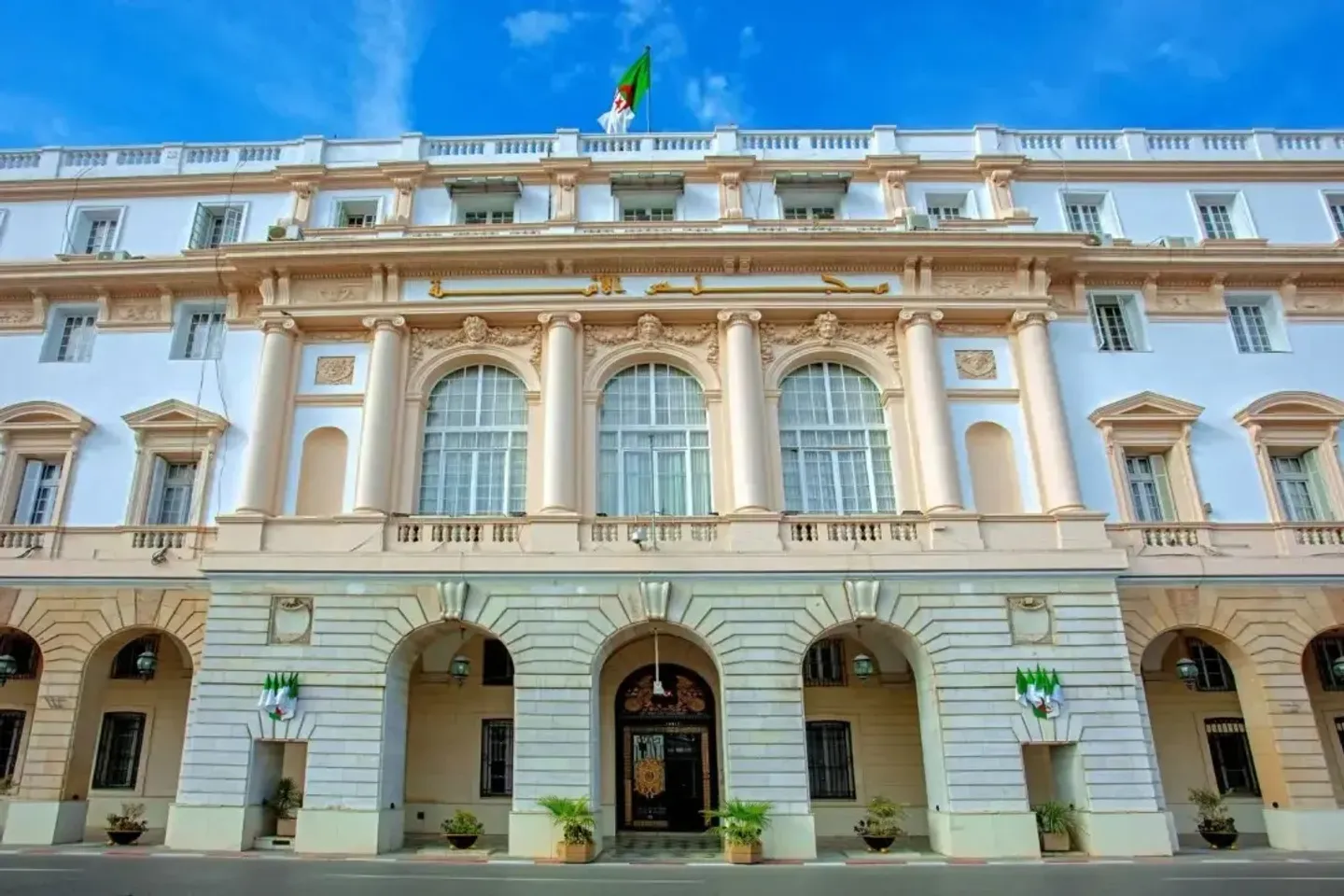
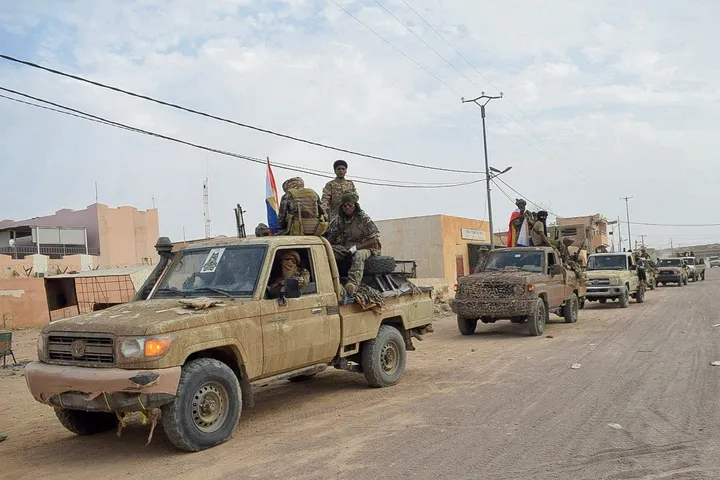
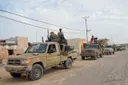
Algeria’s upper house of parliament on Sunday approved a proposal to deploy troops to neighbouring Niger to protect energy facilities, marking a potential turning point in the country’s long-standing policy of military non-intervention beyond its borders.
A senator, speaking to AFP on condition of anonymity, said 148 members of the 174-seat Council of the Nation voted in favour of the measure. The lower house was expected to vote on the proposal later on Sunday.
Any overseas deployment would mark Algeria’s first such military operation since it sent troops to support Egypt during the 1973 Arab-Israeli war.
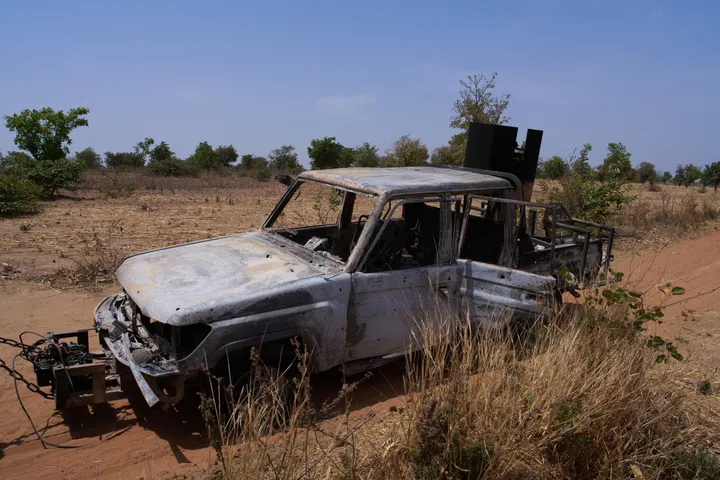
The move comes as Algeria and Niger strengthen security cooperation following efforts to repair strained relations earlier this year, amid persistent attacks by armed groups in Niger and concerns over regional stability.

Energy security at the heart of the deployment
Algeria and Niger share a 960-kilometre (600-mile) desert border and have pledged to deepen cooperation against jihadist violence, cross-border crime and trafficking.
The proposed deployment is also linked to strategic economic interests, particularly the Trans-Saharan Gas Pipeline (TSGP), a major project designed to transport natural gas from Nigeria through Niger and Algeria towards European markets.
International relations researcher Abdellah Akir described the proposal as a historic departure from Algeria’s traditional reluctance to intervene militarily beyond its borders.
He told AFP that the move reflected a desire to protect Algeria’s strategic interests in the Sahel and secure the future of the planned pipeline.
Akir also said the decision was intended to send a strong signal to regional competitors, including Morocco and the United Arab Emirates, with which Algeria has severed diplomatic relations.
Algiers adopts a more direct regional role
Geoff Porter, an analyst with North Africa Risk Consulting, said the proposal illustrated a shift in Algerian foreign policy towards a more direct physical presence in the region.

Algeria had traditionally pursued its interests through dialogue, international law and multilateral institutions, Porter told AFP, but was increasingly turning to more tangible measures to protect its regional influence.
He added that Algeria remained committed to its foreign policy principles while demonstrating them in a different way.
Earlier this month, Algerian President Abdelmadjid Tebboune signalled his country’s willingness to support Niger during a televised address.
“We will protect Niger no matter what,” Tebboune said on October 3, accusing unnamed countries of conspiring against the West African nation.
He also pointed to agreements between the two countries covering oil, mining and other sectors, warning that Algeria’s interests were at stake.
Under a constitutional amendment adopted in 2020, deploying Algerian troops abroad requires approval from two-thirds of parliament.
Military and economic ties gather pace
The parliamentary vote followed a visit to Algeria last Wednesday by Nigerien Defence Minister Salifou Modi, who met Tebboune and Algerian army chief Said Chengriha.
Algerian reports said the two sides signed a military cooperation protocol, although details were not disclosed.
The latest move follows other forms of support from Algiers. Algeria previously supplied Niger with four military helicopters at the request of Nigerien authorities, according to the Algerian Defence Ministry.
In June, Algeria also inaugurated a 40-megawatt power plant intended to provide electricity to Niger’s capital, Niamey, and surrounding areas.
Relations between the neighbours had deteriorated after Algeria shot down a drone from Mali last year, triggering a diplomatic dispute. Niger joined Mali and Burkina Faso in recalling its ambassador from Algiers. Algeria and Mali have since restored diplomatic relations.