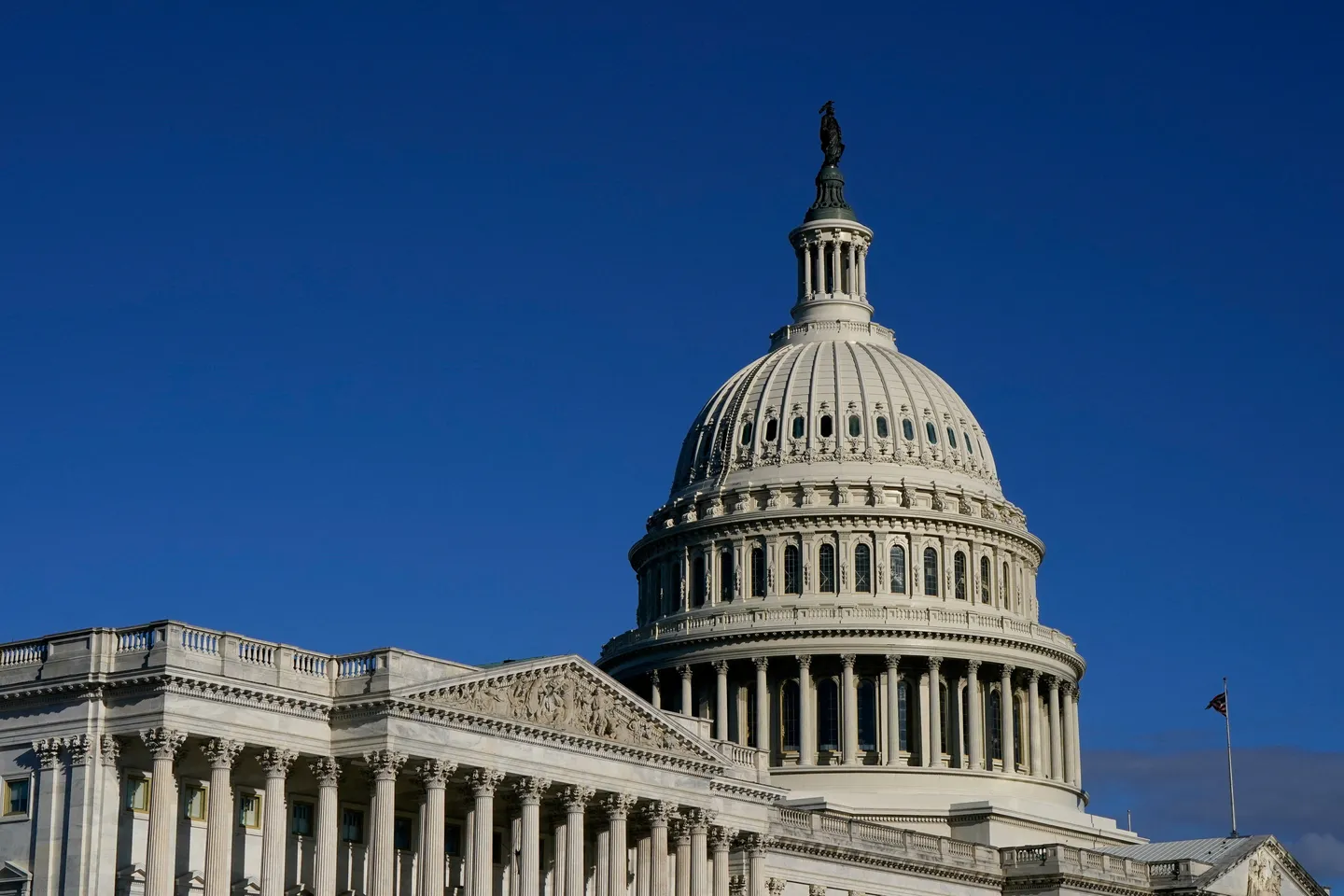
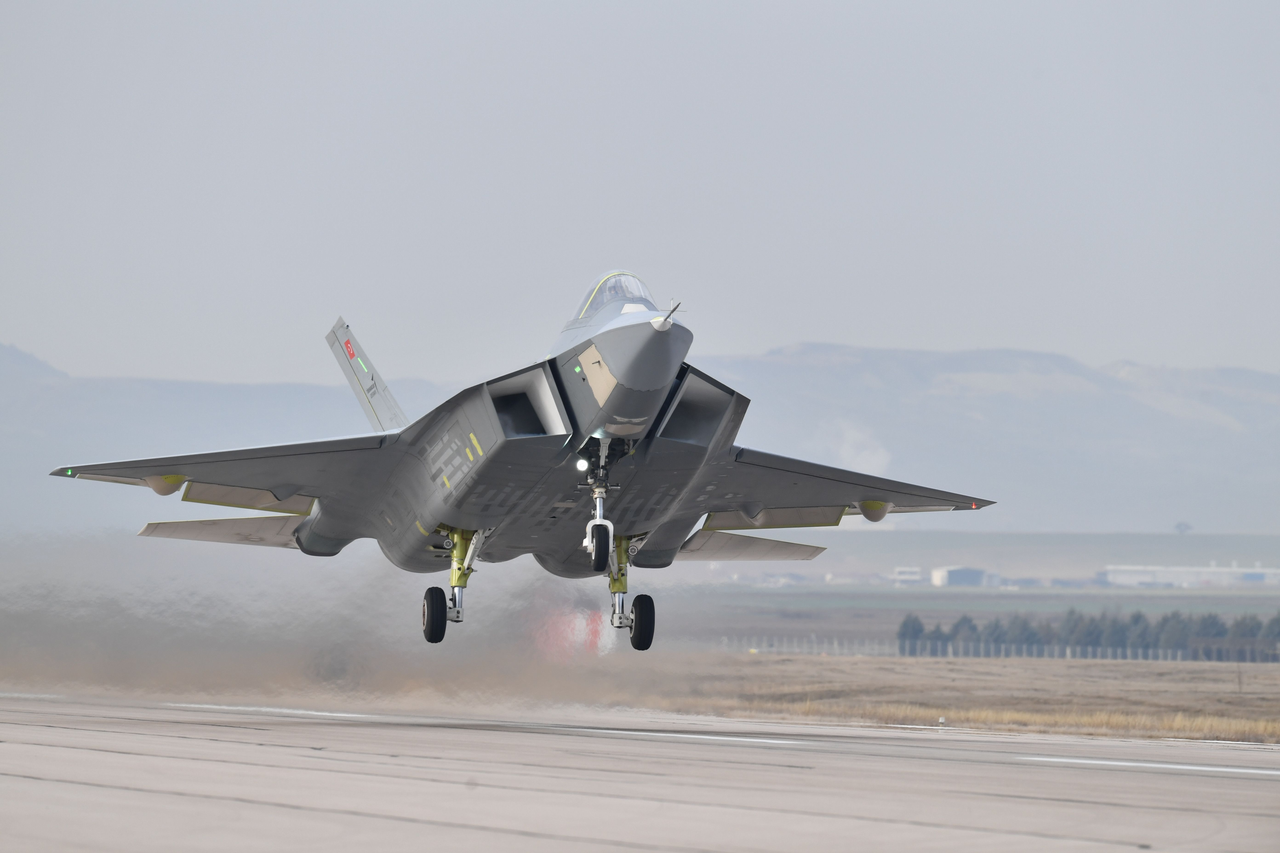
A key stage in the US congressional notification process for the sale of F110 engines to be used in Türkiye's indigenous fifth-generation fighter jet, KAAN, has been completed, with Congress not opposing the sale during the 15-day review period.
Following the US State Department's formal notification to Congress on June 24 2026, regarding the proposed foreign military sale, several members of Congress introduced a joint resolution seeking to halt the sale during the 15-day review period applicable to NATO allies.
The joint resolution, signed by nine members of Congress and submitted to both the House of Representatives and the Senate, called for blocking the planned sale of certain defence equipment, services, and related support to Türkiye.
However, the resolution was not brought to the floor of either the House or the Senate before the review period expired. As a result, when the 15-day review period concluded on July 9, the sale of the F110 engines moved forward without facing any congressional obstacle.
The notified sale covers the integration, assembly, external modification, certification, testing, defence services, and technical data transfer related to the F110-GE-129E/F engines that will power the KAAN fighter aircraft.
Lawmakers seeking to block sale are familiar opponents
The joint resolution was introduced by Democratic Representative Dina Titus of Nevada, with the support of eight additional Democratic members of Congress.
Among the signatories were several lawmakers who have previously opposed defence sales to Türkiye, including Titus, Brad Sherman, Chris Pappas, and Jim McGovern, all of whom had objected to earlier defence exports such as the sale of F-16 fighter jets to Türkiye.







Other supporters of the resolution — including Jim Costa, Josh Gottheimer, Mike Quigley, and George Latimer — represent districts with influential Armenian, Greek, and Israeli diaspora communities. These lawmakers have frequently been associated with congressional opposition to defence sales involving Türkiye.
How does the process work?
In the US, major arms sales to foreign countries are subject to a congressional review period after the State Department formally notifies Congress. For sales to NATO allies, this review period lasts 15 days.
During that period, members of Congress may introduce a joint resolution to block the proposed sale. However, for such a resolution to become effective, it must be approved by both the House of Representatives and the Senate, and then signed into law by President Donald Trump.
If the president vetoes the resolution, Congress would need a two-thirds majority in both chambers to override the veto — at least 290 votes in the House and 67 votes in the Senate.
Because the resolution seeking to block the F110 engine sale to Türkiye was never brought up for debate or a vote during the review period, no legislative process to stop the sale was initiated. Consequently, once the 15-day review period expired, the transaction was able to proceed without requiring consideration by either chamber of Congress.
In the next phase, technical and commercial negotiations concerning the procurement of the F110 engines will continue between the US administration, the relevant government agencies, the engine manufacturer, and the appropriate Turkish authorities. Future discussions are expected to focus on the delivery schedule, engine integration, testing, and certification activities.