 Sadiq S Bhat
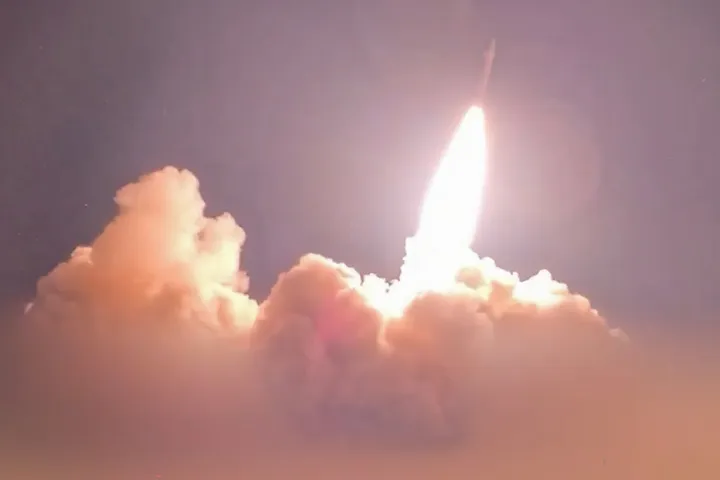
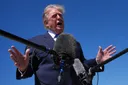
Washington DC — Ten days into the US–Israel war on Iran, President Donald Trump insists the Iranian leadership and administration has been "decimated".
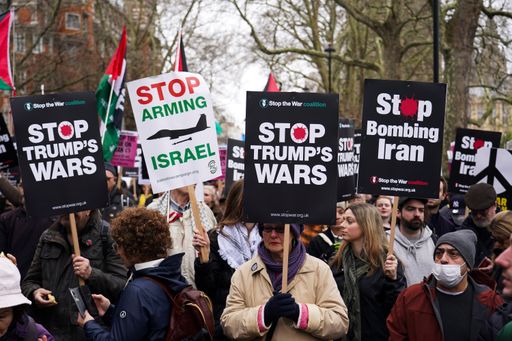
Yet three American political scientists warn that the conflict is rapidly turning into a domestic political liability. The driver is not battlefield success but rising fuel prices, low market confidence and the absence of any classic "rally-around-the-flag" effect.
There is "very little rally-around-the-flag effect in this use of American military power," Professor Russell Lucas of James Madison College at Michigan State University tells TRT World.
"Americans are very adverse to military casualties and since this was a war of choice with very little coherent justification, the public — including MAGA Republicans — will probably quickly sour on this operation if there are more military casualties," he says.
David Schultz, an expert on American politics and US election law, is equally blunt.
Early polling shows about 60 percent of Americans disapprove of the military action in Iran, he notes, and the president’s overall approval rating remains locked around 40 percent. It is the same rigid ceiling that has held across three administrations despite major national events.
"Polarisation now appears to limit the capacity of external events to shift public opinion in meaningful ways," Schultz says. "The classic rally-around-the-flag effect does not appear to be materialising."
Prof Mark Caleb Smith of Cedarville University, Ohio, points to the compressed news cycle and deep national polarisation.
"Historically, we have seen significant public unrest over armed conflict only when the time frame is extensive, as with the Vietnam War and the ‘War on Terror’," Smith tells TRT World.
"The key difference now is that our time horizons are so much shorter. The media functions more quickly. We have gone from a weekly, to a daily, to an hourly, or even a minute-by-minute news cycle."
Yet even rapid media coverage may not produce sustained backlash, he adds, because attention spans are short and partisans tend to dig in along identity lines.
All three policy scholars agree that the real danger for Republicans lies not on the battlefield but in voters’ wallets.
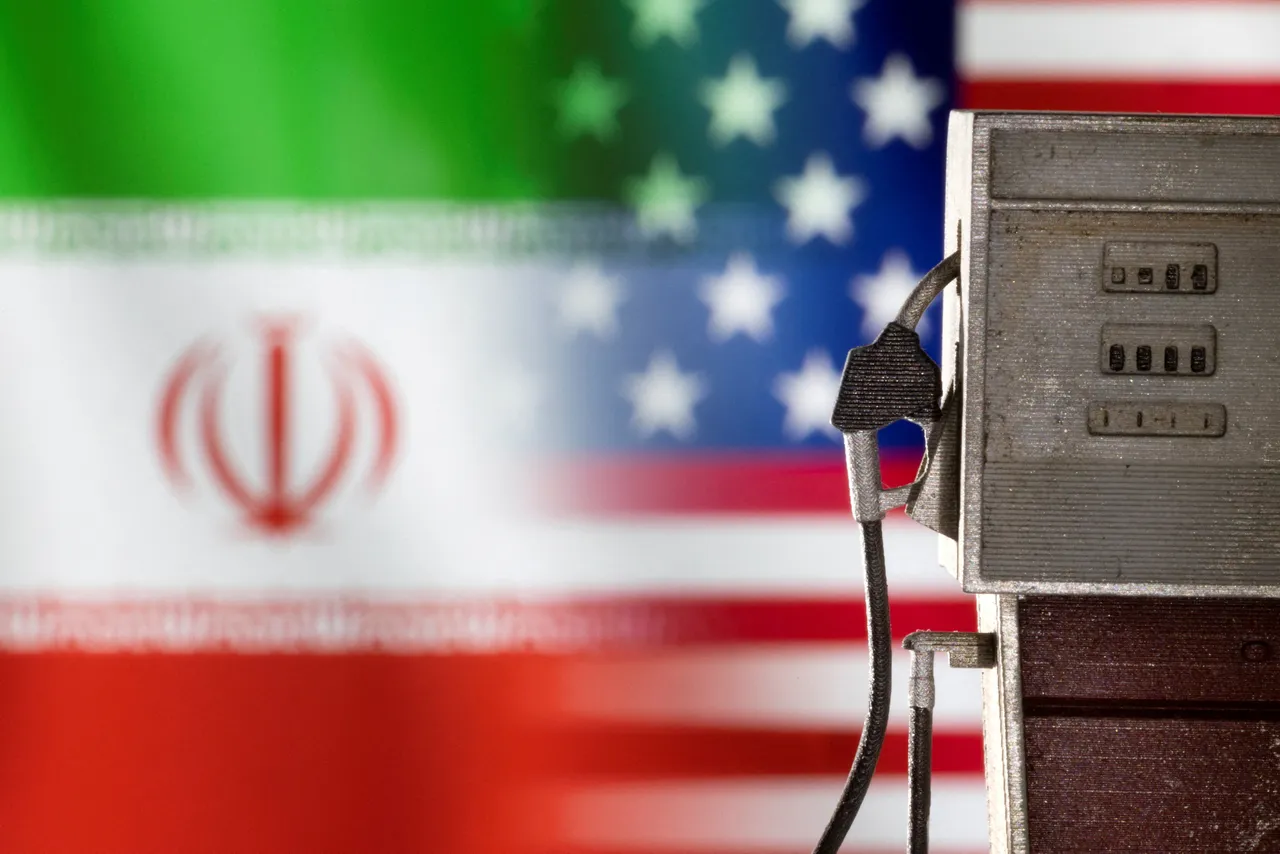
The war on Iran has already pushed up the price of petrol by 10 to 20 percent in many parts of the US.
The national average price of petrol has climbed to $3.48 per gallon, up 48 cents in a week and 58 cents compared with a month ago, according to data from the American Automobile Association (AAA).
Diesel, which faces tighter inventories than regular petrol, has also surged, rising nearly 89 cents over the past week to $4.66 per gallon.
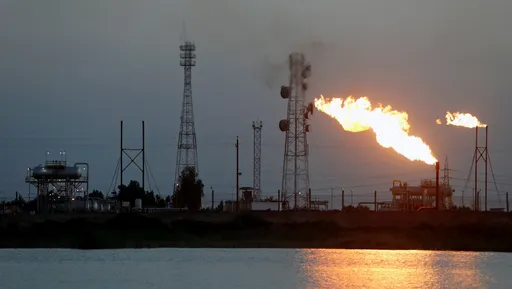
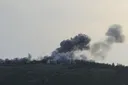
Fuel costs have spiked as the Iran war disrupts oil flows through the Strait of Hormuz, the strategic waterway linking the Persian Gulf with the Gulf of Oman and the Arabian Sea.
Schultz says the conflict risks worsening the issue that dominates voter concerns.
"These pocketbook issues played a major role in hurting Biden politically and later affected Harris when she ran for president. The same problem now confronts Trump," he argues.
Lucas reinforces the point, saying there is "no clear objective threat to Americans" and "few convincing arguments made by the Administration that Iran is a clear and present danger to ordinary Americans."
Political flashpoint
"Americans will see little concrete effects of the war in their personal lives except for higher gas prices and declining stock markets. The price of gas nationally has jumped on average about 10 percent in the past week. This has already caught the attention of most Americans," he says.
Smith warns that if oil prices climb sharply and spill into the rest of the economy, Republican losses in November could become "much worse, possibly much worse".
Historically, the president’s party loses seats in midterm elections. A weak economy simply magnifies those losses, he adds.
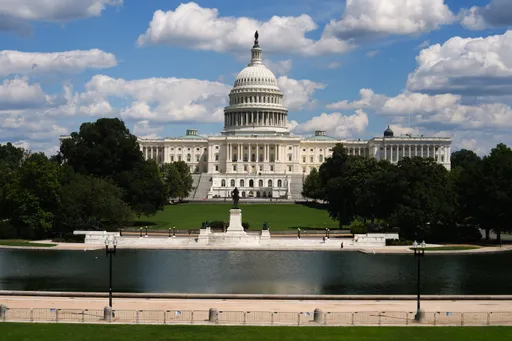
In the House of Representatives, analysts estimate roughly 30 to 50 seats are realistically competitive, many in suburban districts that have swung heavily in recent cycles.
States such as California, Texas, North Carolina and Missouri have redrawn congressional maps through mid-decade redistricting, potentially shifting the number of true battlegrounds.
With 60 House members already announcing retirement, the map is fluid and vulnerable to economic discontent.
In the Senate, 33 regular seats plus two special elections are up, with 22 currently held by Republicans. The map appears favourable to the GOP on paper, but several races could turn competitive if pocketbook pressure deepens.
Experts flag Maine, New Hampshire, North Carolina, Kentucky, Michigan, Georgia and even Ohio as contests likely to attract national attention.
Some analysts say Texas, where John Cornyn’s seat could face a volatile Republican primary if Ken Paxton jumps in, could also become a political flashpoint.
Rising political stakes
Schultz lays out the straightforward political arithmetic.
"Military conflict with Iran is unlikely to distract voters from the affordability issue that dominates the current political debate. If anything, rising energy prices may reinforce voter frustration. Instead of creating a rally effect, the war may deepen the economic concerns that already shape the electoral environment," he says.
"In that sense, the conflict could create additional political difficulties for Trump and the Republican Party. Voters may interpret the war as exacerbating the cost-of-living crisis."
As the war continues in its second week with no fixed end date, the political stakes continue to build.
Trump has spoken of a campaign lasting four to five weeks, CENTCOM planning suggests operations could extend through September, while Iranian officials claim they can sustain fighting for at least six months.
For the experts, the emerging storyline is clear.
A conflict framed as a swift strike against a nuclear threat is instead delivering daily reminders at the petrol pump and in retirement accounts.
Whether that pressure becomes a full midterm reckoning will depend on how long the fighting lasts, how high prices climb and whether American casualties materialise.
The early verdict from analysts, however, is unambiguous.
"Voters may interpret the war as exacerbating the cost-of-living crisis," Schultz says.
"Most people believe Republicans will lose the House in November, but they should have a good chance to hold onto the Senate. An economic downturn could bring the Senate into play," Smith concludes.