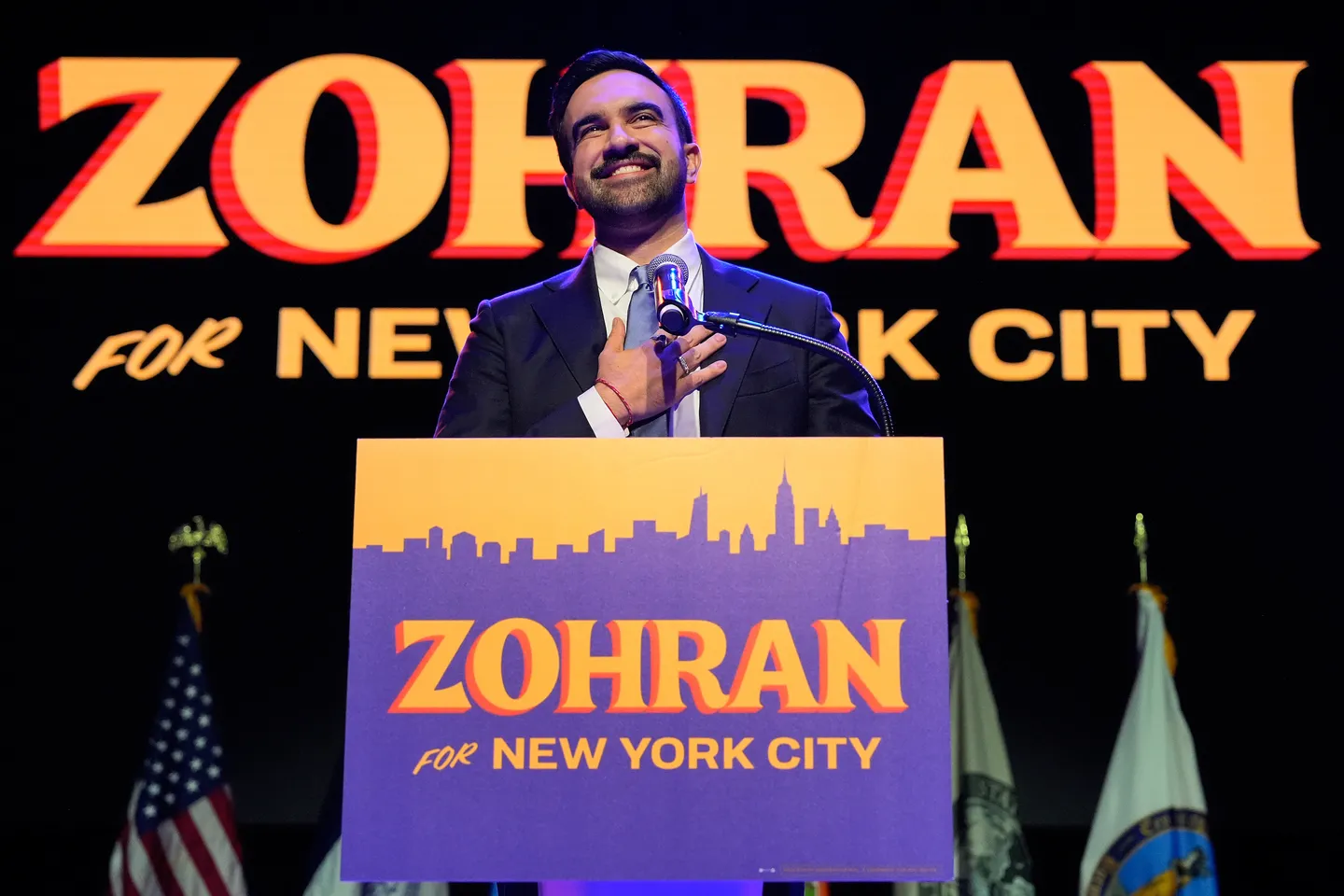
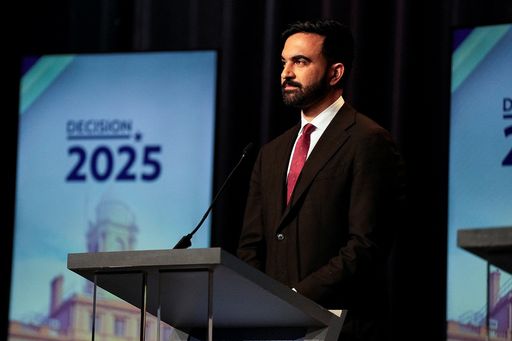
Zohran Kwame Mamdani went from relative obscurity to the centre of a national political storm — and, on Tuesday, to a landmark victory that would make him New York City's first Muslim mayor.
A state lawmaker from Queens in his early 30s, Mamdani ran a campaign built around two simple threads: a blunt focus on the cost of living for ordinary New Yorkers and relentless outreach.
Promises such as regulated rents, free city bus travel, municipal grocery stores, and universal childcare became the through-line of a message aimed at people squeezed by housing, transit and daily expenses.
He wrapped this agenda in an informal, accessible style: short social-video clips that racked up millions of views, a massive canvassing ground game and a knack for meeting voters where they live.
As he put it after his win: "The next and last stop is City Hall."
'Everybody's got their knives out'
Mamdani's rise was dramatic. He stunned the party in June, defeating former governor Andrew Cuomo in a ranked-choice Democratic primary, with Cuomo conceding on the night of the vote.
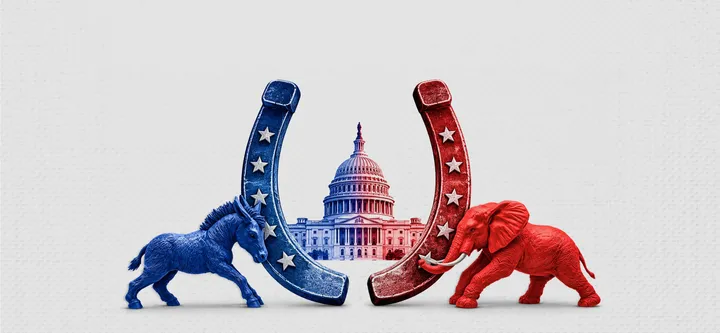
That upset took him from relative anonymity to a national stage, where he was debated not just for policy but for what his victory might mean for the direction of the Democratic Party.
Supporters hailed a candidate who "really seems real" and spoke about everyday concerns, such as "the price of the halal food carts", as one commentator put it, in a way that connected across communities.
But the ascent was fought on multiple fronts. Mamdani faced sustained attacks from conservative media, prominent business backers of rivals, and repeated barbs from US President Donald Trump, who called him names and mounted eleventh-hour interventions.
Trump and other opponents also raised alarms about Mamdani's proposals, labelling them extreme and threatening to withhold federal funds if he won. Even within centrist Democratic circles there was scepticism, and observers warned that governing New York would be fraught.





"Everybody's got their knives out, and it's a very difficult city to govern," a political scientist warned before the race was decided.
Navigating hostile terrain
The campaign also unleashed a wave of online hostility.
Advocacy groups tracking hate incidents recorded a sharp spike in anti-Muslim postings and violent threats after the primary upset, including hundreds of Islamophobic mentions and more than a hundred violent hate-related reports in the day after polls closed.
Mamdani's supporters and civil-rights groups called on public officials to condemn the surge of Islamophobia and harassment.
Still, Mamdani framed his victory as a rebuke of the status quo and a signal to a broader national audience.
In a victory speech, he pitched New York as a model for beating back what he described as a national slide: "If anyone can show a nation betrayed by Donald Trump how to defeat him, it is the city that gave rise to him," he said.
"In this moment of political darkness, New York will be the light."