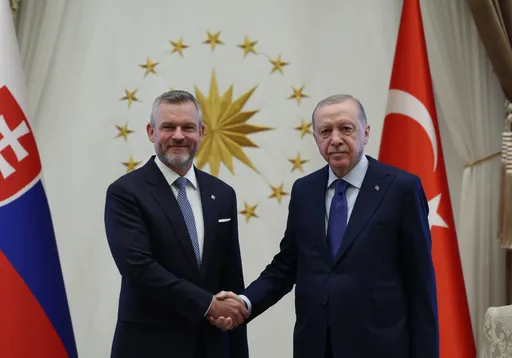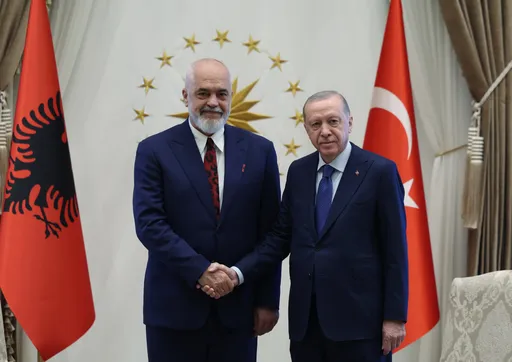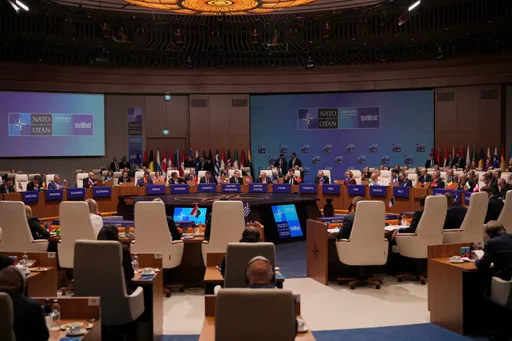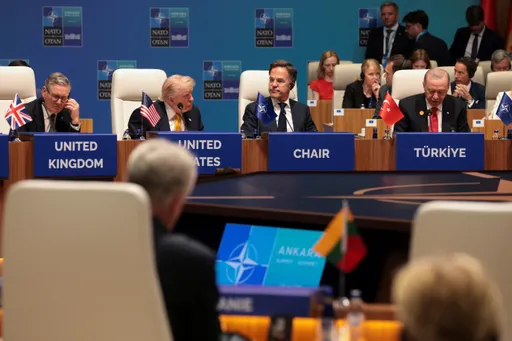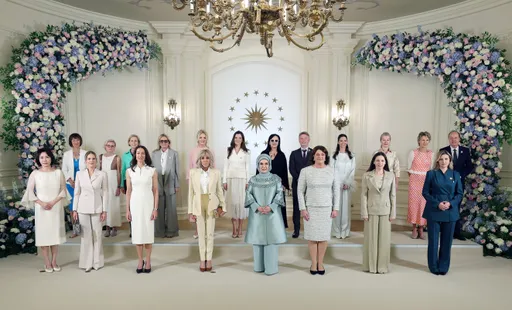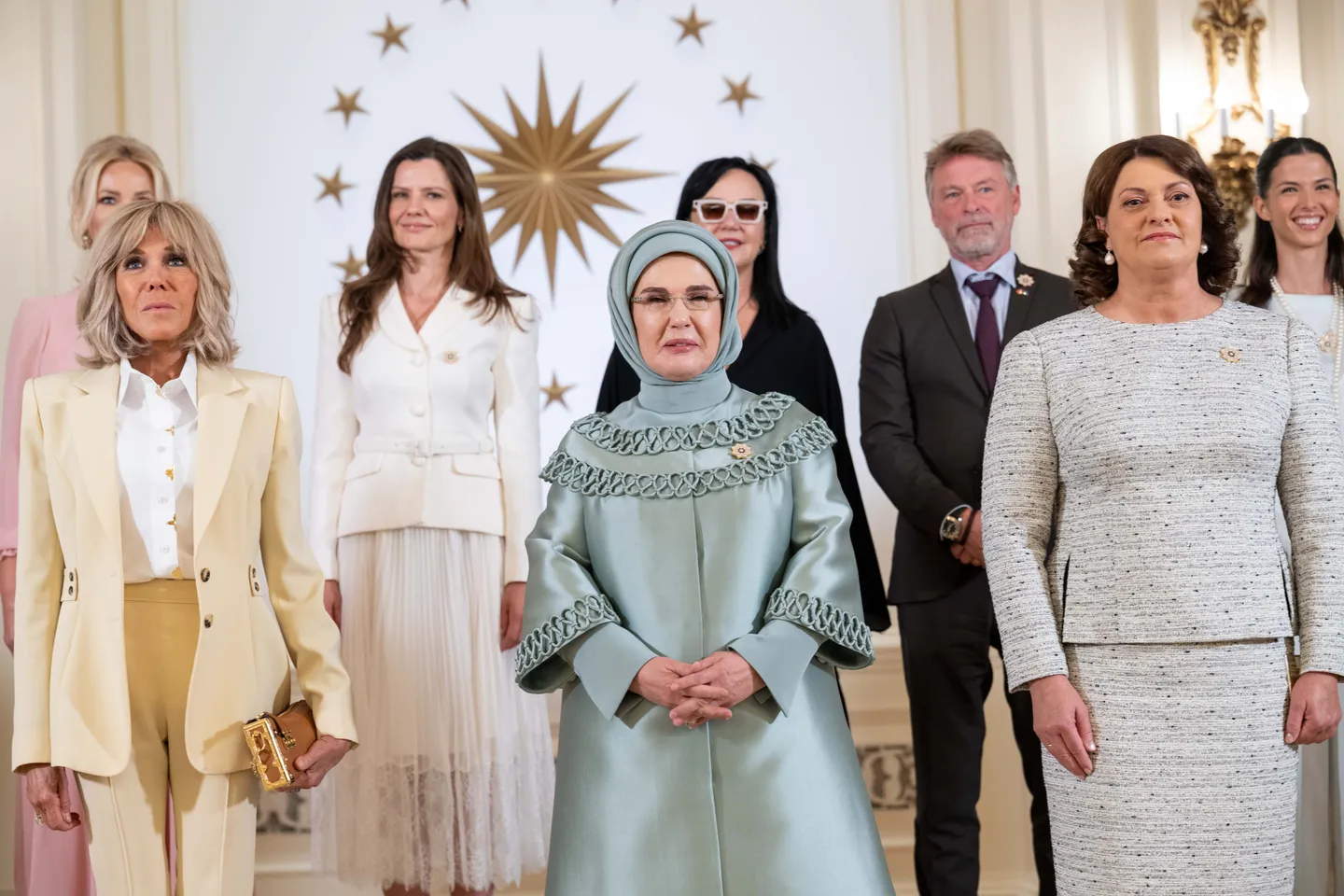
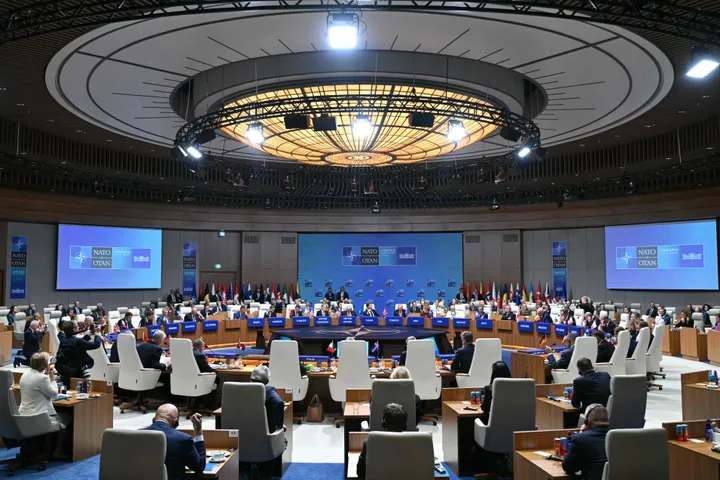
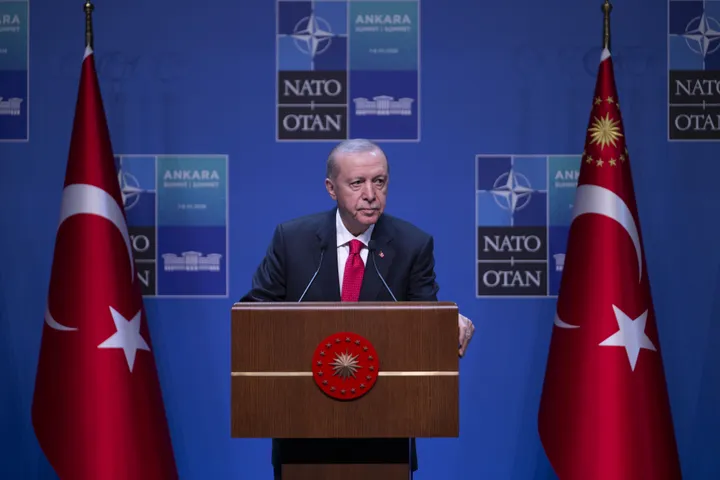
Turkish First Lady Emine Erdogan hosted the spouses of NATO leaders at Ankara's Cankaya Mansion to address issues affecting young social media users, as the Turkish capital played host to a historic two-day summit on July 7–8.
The high-level roundtable discussion, titled "Children, Technology and Security: Protecting the Next Generation," focused intensely on shielding young people from evolving online threats and digital vulnerabilities.
The NATO leaders' spouses called for unified international policies to combat cyberbullying, disinformation and the psychological impact of screen dependency.
French First Lady Brigitte Macron stated that France is working to minimise the use of digital screens in classrooms as much as possible.
Macron said, "For example, what you read on a screen doesn't have the same effect on our brains as what you read in a book. Why are we limiting these things? Because we have realised certain things. Because these are not the same form of teaching. We don't want [kids] to be exposed to screens at an early age.”
Macron pointed out that youth are targeted by fake videos capable of "deceiving anyone," and said, "We must confront tomorrow's world right now. The challenge is already here. We are watching it evolve. And we have to bring it under control."
Addressing the rise of artificial intelligence, Macron mentioned that French students are being urged to think critically about their future paths, noting, "We advise them to select their careers with this in mind. Progress is happening incredibly fast. There is apprehension. We really can't figure out where it's going right now."
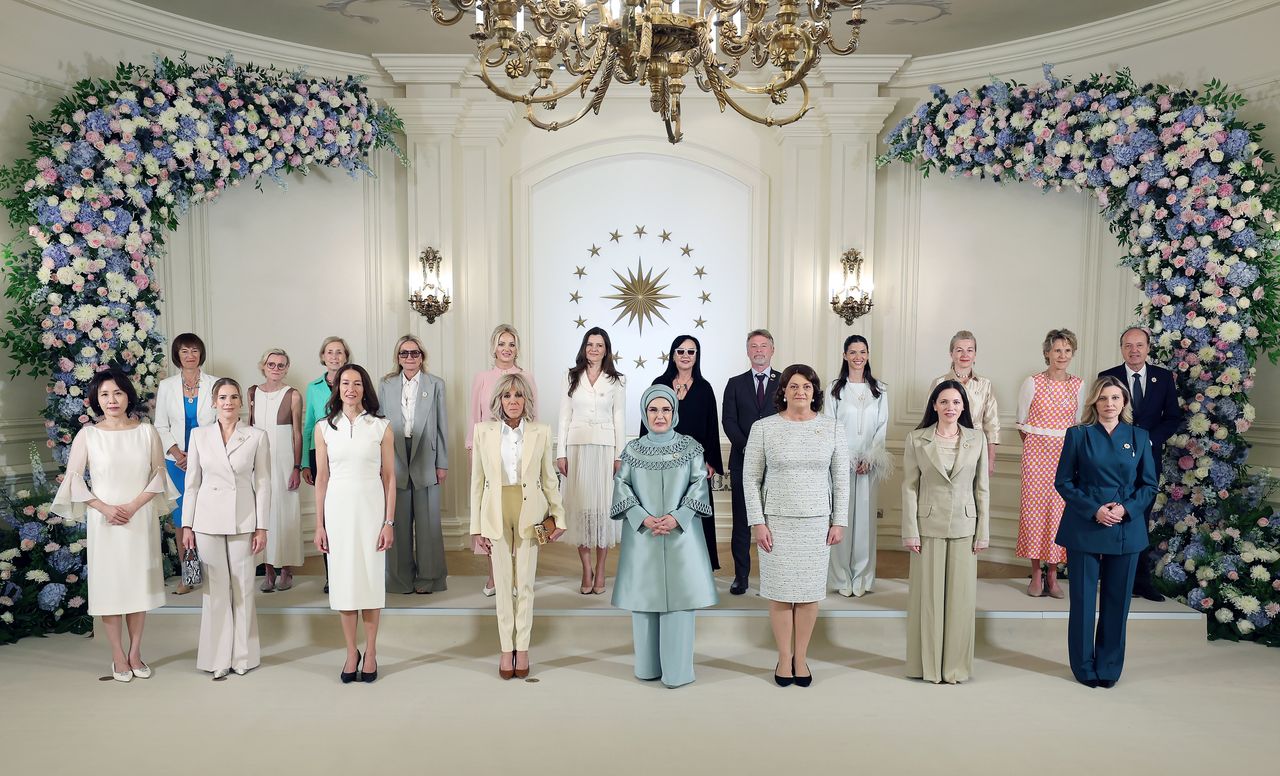
Dopamine-focused digital era
Diana Nausediene, the wife of the President of Lithuania, stated that everyone agrees that the virtual world must be safe for children, adding that children must be protected against cyberbullying, disinformation and hybrid manipulation.



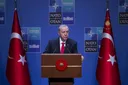
Nausediene emphasised that policymakers must act together with communities, stating, "We are facing a fundamental challenge, and we need international efforts."
Noting that NATO allies should come together to protect younger generations against hybrid manipulations, Nausediene stated that young people are "the most vulnerable group to disinformation."
“I would like to express my gratitude to the First Lady Emine Erdogan for organising a round table discussion on child protection," Nausediene stated.
"We all need to protect our children."
In a call to action regarding modern childhood, Urska Bacovnik Jansa, the spouse of Slovenia’s Prime Minister Janez Jansa, warned that today's youth are increasingly losing themselves in a "dopamine-focused digital world" driven by instant gratification.
Speaking on the challenges of raising children in the smartphone era, Bacovnik Jansa underlined the urgent need to reintroduce younger generations to the value of tangible, real-world experiences.
“We need to tell them that the satisfaction of creating something with our own hands and that the simplest things are often the most difficult to achieve,” she said.
The Finnish President's wife, Suzanne Innes-Stubb, said that the digital world offers significant benefits and that young people use social media to stay connected, socialise, learn, and access information.
Innes-Stubb drew attention to the dangers associated with the spread of disinformation, stating that for many children, the digital world is "part of daily life" and that more children are joining this world every minute.