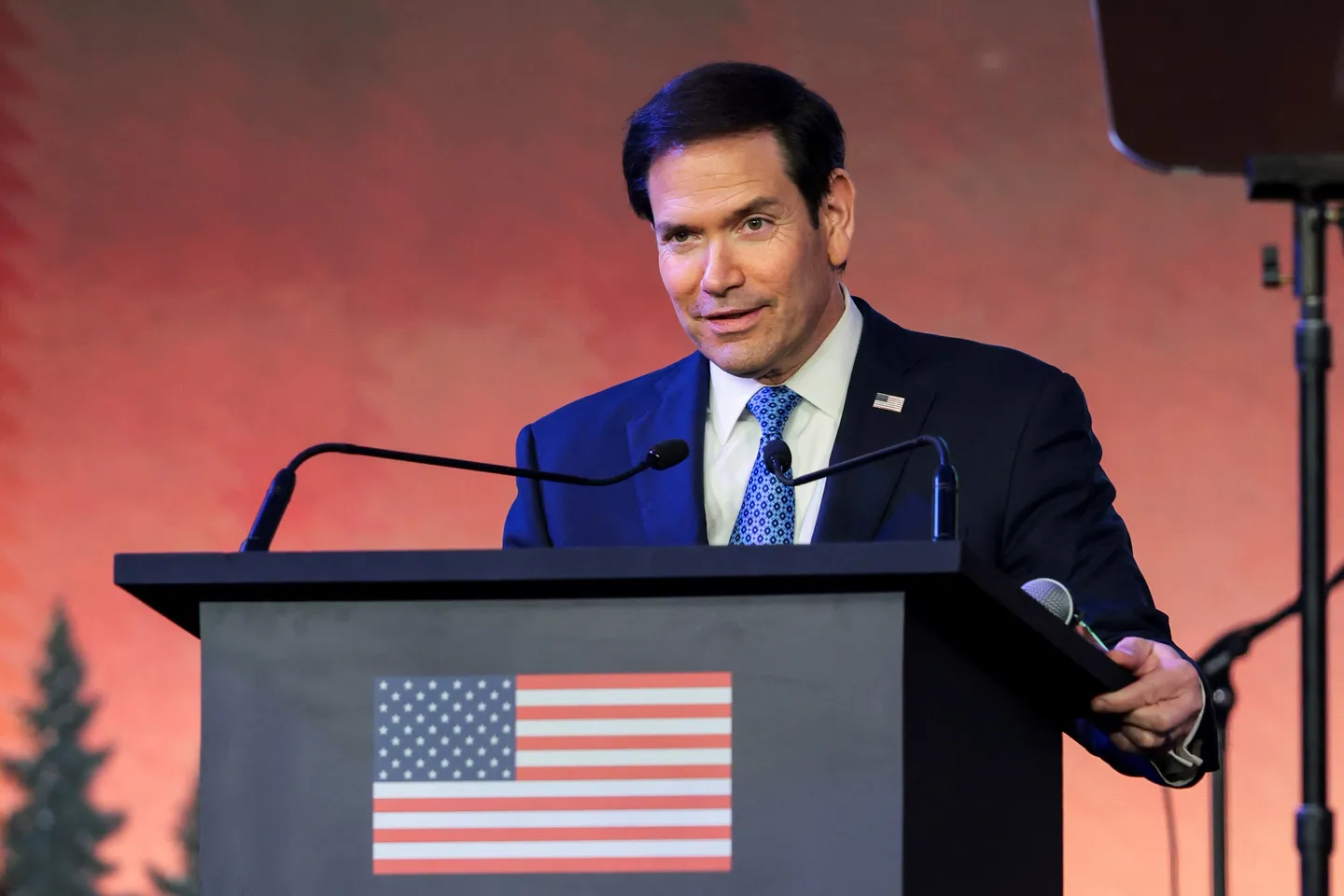
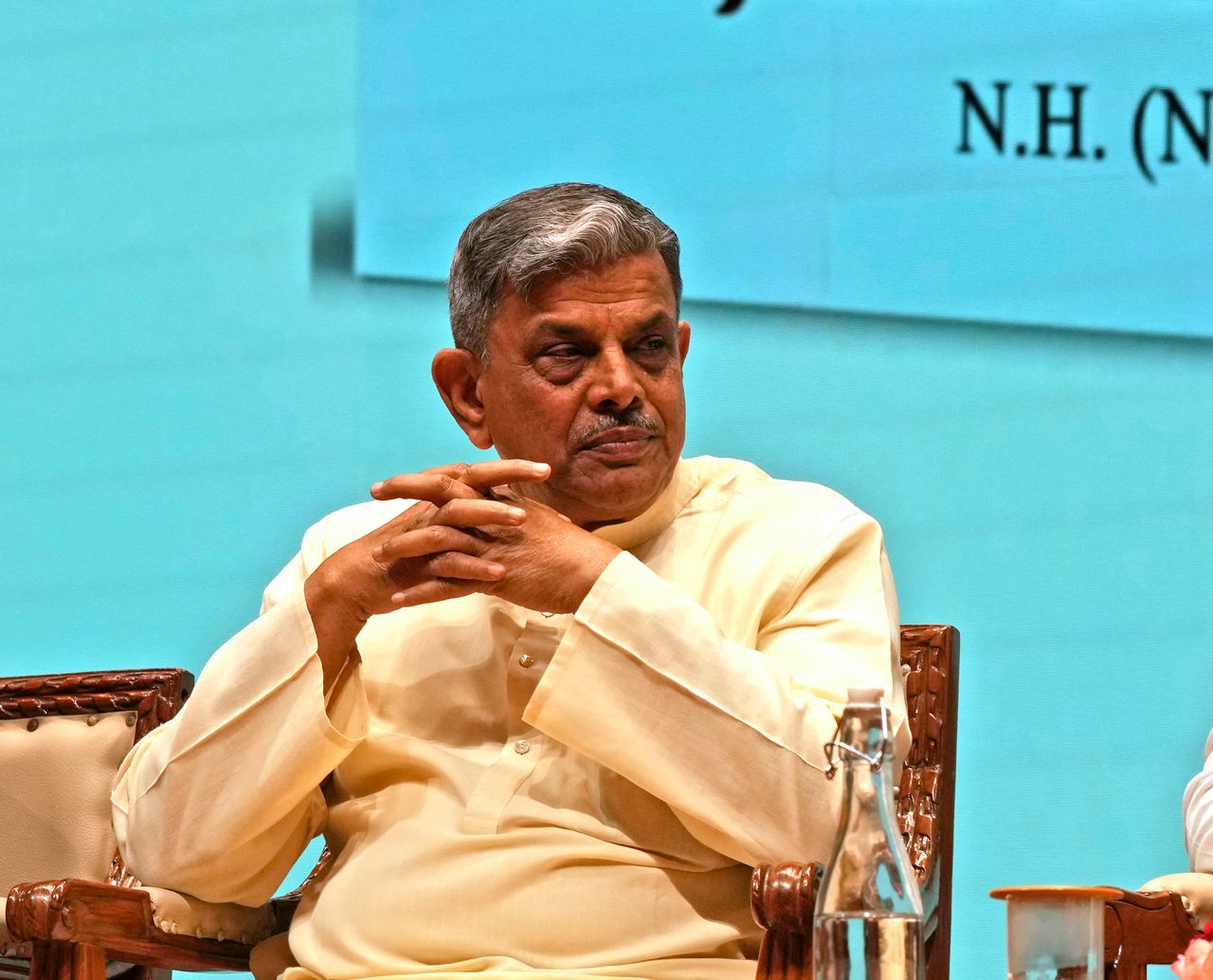
US Secretary of State Marco Rubio — who is in India for a three-day visit as the two countries seek to resolve trade tensions and deepen energy ties — has defended Washington's relationship with Islamabad, framing the engagement as similar to New Delhi's ties with Tehran.
During an interview with Indian news channel Network18 on Tuesday, when asked about his earlier stance as a senator proposing a bill to cut US security aid to Pakistan if it targets India, Rubio said: "Well, we're against terrorism anywhere in the world. We're against anybody who sponsors terrorism. In my new role — I'm no longer a senator; I'm the Secretary of State — I have to manage the foreign policy of the United States. And that does require us to have relationships with countries, including those that we may have some disagreements with."
According to an interview transcript released by the US Department of State, Rubio stated that the US maintains ties with nuclear-armed Pakistan, adding that from a geographical standpoint, Washington needs to maintain relations with Islamabad "in much the same way as the Government of India has to have and has a relationship and meets with leaders from Iran."
The American top diplomat added that US-Pakistan ties could help address India's concerns as well.
"I think in a way it could be a positive thing, because if we have a relationship and we can speak to them it could perhaps help us, perhaps puts us in a position to help discourage the kinds of things that India is worried about," added Rubio.
The comments came after Rubio met Indian External Affairs Minister Subrahmanyam Jaishankar to discuss topics concerning regional and global issues, including developments in the Middle East.
US-Pakistan ties
The US and Pakistan have strengthened diplomatic and economic ties under the second Trump administration through high-level dialogue, strategic cooperation, and active mediation efforts
Pakistan has historically served as a major non-NATO ally and a key security collaborator in South Asia.
During the height of hostilities between Pakistan and India in May 2025, US President Donald Trump brokered a ceasefire following a four-day armed conflict. India, however, maintains that there was no US mediation in the truce that halted fighting involving drones, missiles, artillery, and fighter aircraft.
Trump then hosted Pakistan's army chief General Asim Munir at the White House for lunch in June in a rare diplomatic development.
Pakistan said it shot down seven Indian warplanes — including three French-made Rafale jets, a Sukhoi Su-30, and a MiG-29 — using Chinese-built aircraft such as J-10s and JF-17s) and PL-15 long-range missiles.
Indian sources initially acknowledged that three Indian fighter jets crashed in India-administered Kashmir. Some Indian officials have acknowledged the losses but have not specified how many aircraft were downed by Pakistan.

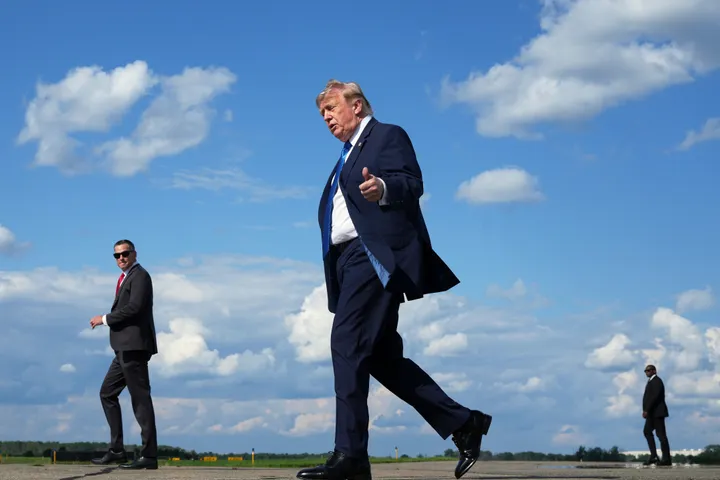


Trump maintains that the clashes resulted in 11 jets being destroyed, emphasising that his mediation efforts averted millions of casualties had the conflict escalated between the two nuclear-armed nations. Pakistan nominated the US president for the Nobel Peace Prize.
Meanwhile, Pakistan emerged as a key diplomatic mediator during the US war on Iran, relaying messages and hosting talks between Washington and Tehran, which helped pave the way for a landmark peace agreement praised by global leaders.
The 60-day Islamabad accord expired on August 17, 2026 without a comprehensive deal. Despite diplomatic setbacks, Pakistan continues efforts to revive US-Iran discussions.
On Tuesday as Rubio visited India, Pakistani army chief held talks with Iranian officials in Tehran as diplomatic efforts intensified to avert conflict involving the US and Israel.
Kashmir dispute
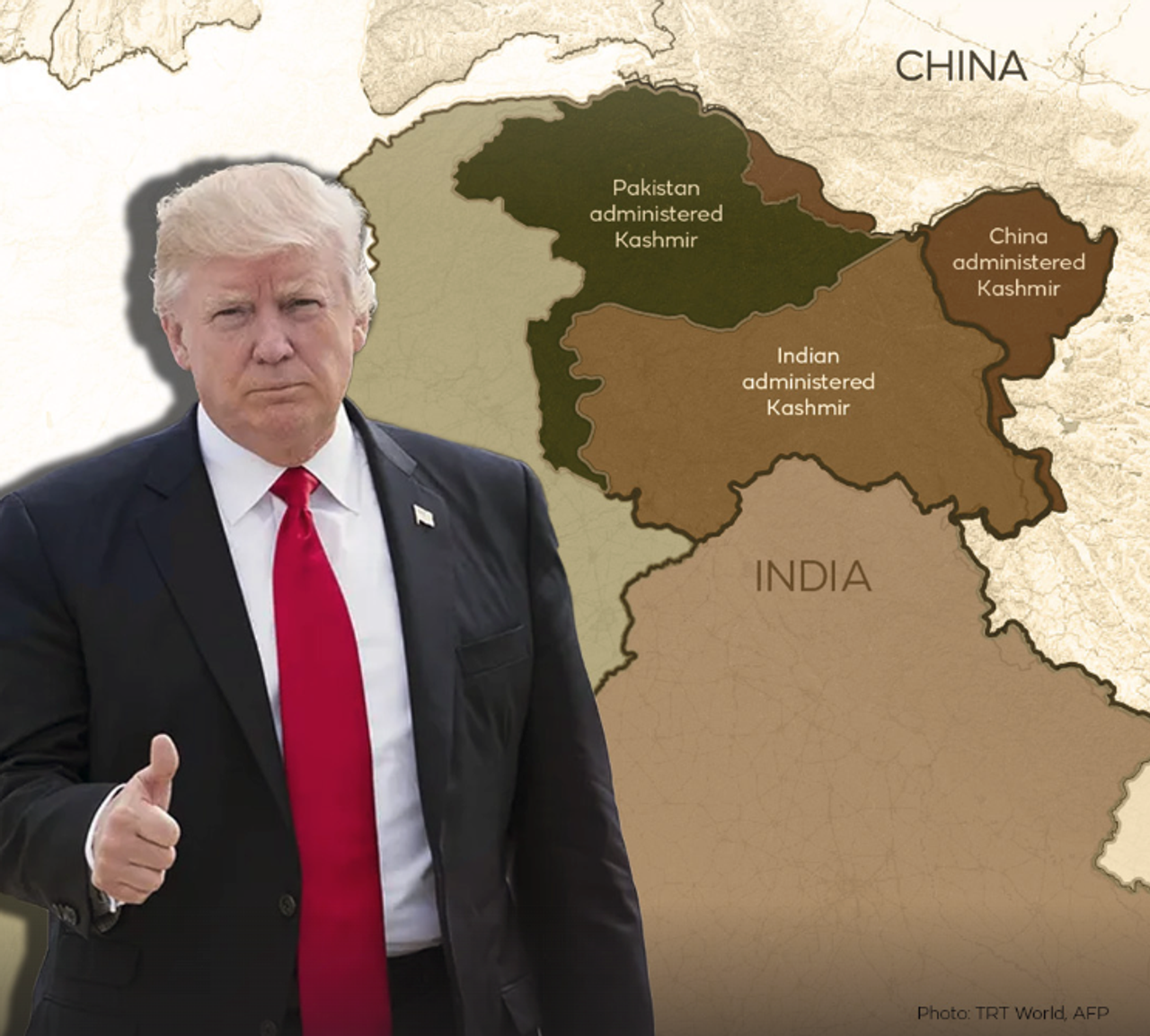
Historic rivals India and Pakistan remain locked in a bitter conflict over Kashmir. Both neighbours administer a part of Kashmir and claim the territory in its entirety.
They have fought two of their three wars over the territory since they gained independence from British colonial rule in 1947. China also administers a portion of Kashmir, known as Aksai Chin, following the 1962 Sino-Indian War — making the Himalayan region the world's only nuclear tri-junction.
Rebels in the India-administered Kashmir have been fighting New Delhi's rule since 1989. Many Kashmiri Muslims support deciding the future of the region through a UN-mandated plebiscite.
India claims the Kashmir revolt is backed by Pakistan. Islamabad denies the charge, and says it only offers moral, political and diplomatic support to Kashmiris. Many Kashmiris consider it a legitimate freedom struggle. Tens of thousands of civilians, rebels and Indian troops have been killed in the conflict.
India has deployed more than 500,000 troops to the region, making it one of the planet's most militarised zones.
Following Rubio’s interview that also touched on Russian oil, Ukraine war, trade deal, and anti-India sentiments in US, several Indian social media users expressed disappointment.
Pakistani accounts widely described it as an "embarrassment for Indian media" and insisted Rubio "refused to toe the Indian line," with others noted it was "much to the disappointment of Indian interviewer."