Gaza residents are suffering "a volcano" of psychological trauma from Israeli genocide that has become clear since last month's truce, according to Palestinian mental health specialists.
Two years of intense Israeli bombardment and repeated military incursions that local health authorities say have killed more than 68,000 people, along with widespread homelessness and hunger, have affected all of Gaza's 2.3 million inhabitants.
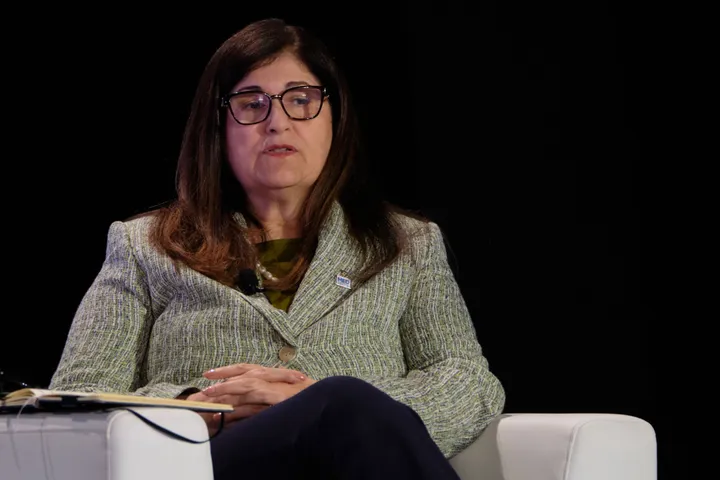
The crisis is evident in the large numbers now seeking treatment from the Gaza City Mental Health Hospital team, working out of a nearby clinic because their building is damaged, said its head, Abdallah al Jamal.
"With the start of the truce, it was like a volcano erupting in patients seeking mental health services. Even the stigma that used to be present before, the fear of visiting a psychologist, does not exist anymore," he said, describing "a very large increase" in numbers from before Israel’s war.
Al Jamal and a colleague are working as best they can, but with the hospital having suffered significant damage, their resources are limited, and they have to share a room, depriving their patients of consultations in privacy.
"That is honestly insulting in the way services are provided, but we are trying as much as possible to find alternatives," he said of the more than 100 patients they see there every day.





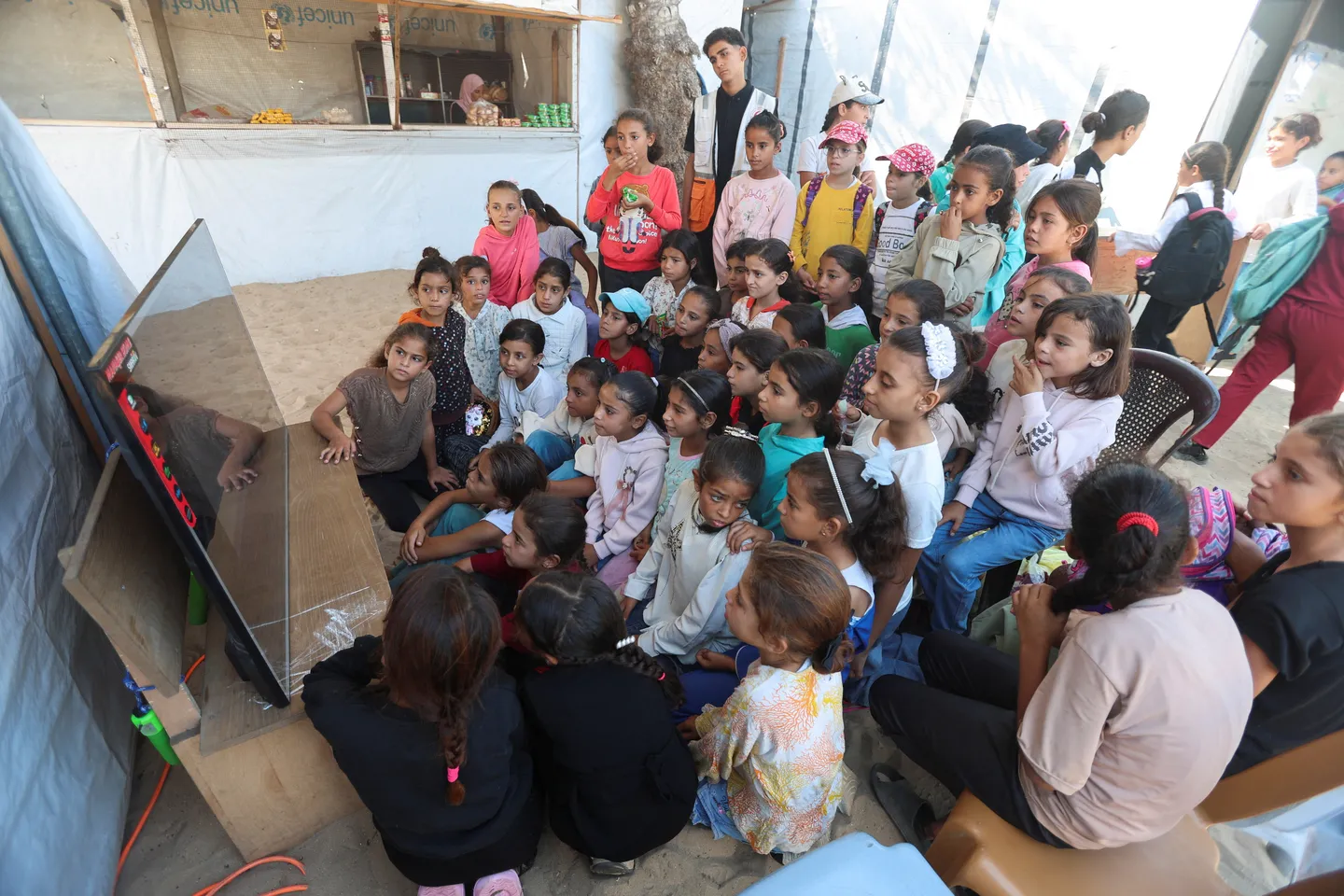
Among children, there are widespread reports of night terrors, bed-wetting and other symptoms, including an inability to focus, say mental health specialists for the Palestinian Red Crescent Society.
"Gazan children are now suffering from shortages of food, water, shelter, and clothing," said Nivine Abdelhadi, a specialist from the organisation, which is offering activities for children that include games and stories.
The ceasefire came into effect on October 10, although there have been repeated violations of the truce by Israel.