International support is growing for the US-Iran agreement, with European leaders, the EU, Türkiye, Qatar, Japan and the UN calling it a significant diplomatic achievement that could bolster regional stability and global economic security.
The leaders of France, the UK, Germany and Italy endorsed the newly announced memorandum of understanding between the US and Iran, calling it a diplomatic breakthrough and urging its rapid and comprehensive implementation.
In a joint statement, the leaders of the four countries congratulated the US, Iran and the mediators involved in the negotiations, including Pakistan and Qatar.
"We warmly welcome the announcement of the memorandum of understanding between the US and Iran. We congratulate the United States, the Iranian government and all those involved, including Pakistan, Qatar, and all other mediators, on this diplomatic breakthrough," the statement said.
EU foreign policy chief Kaja Kallas described the agreement as a "potential breakthrough" that could create "much-needed space" for further negotiations on Iran's nuclear program and other outstanding issues.
Türkiye
Turkish President Recep Tayyip Erdogan has welcomed the newly announced agreement to end the conflict between the US and Iran, describing it as an important development toward establishing peace and calm in the region.
"I view the agreement reached between the US and Iran as an important development for the dominance of peace and calm in our region, and I welcome it with pleasure," President Erdogan said.
He expressed his sincere hope that this news, which the entire world has long needed, would lead to a permanent environment of peace and security.
President Erdogan also stressed the necessity of avoiding escalatory rhetoric, provocations and actions in the period leading up to the official signing ceremony, underlining that all parties must remain highly careful against potential sabotage.
"I thank Pakistan for its exceptional mediation efforts, alongside the US and Iran leaderships, in achieving this result. I also wish to express my appreciation for the support provided by Qatar and Saudi Arabia to these diplomatic initiatives," he added, reiterating that Türkiye will continue to support all efforts directed at establishing lasting solutions based on diplomacy and international law.
Qatar
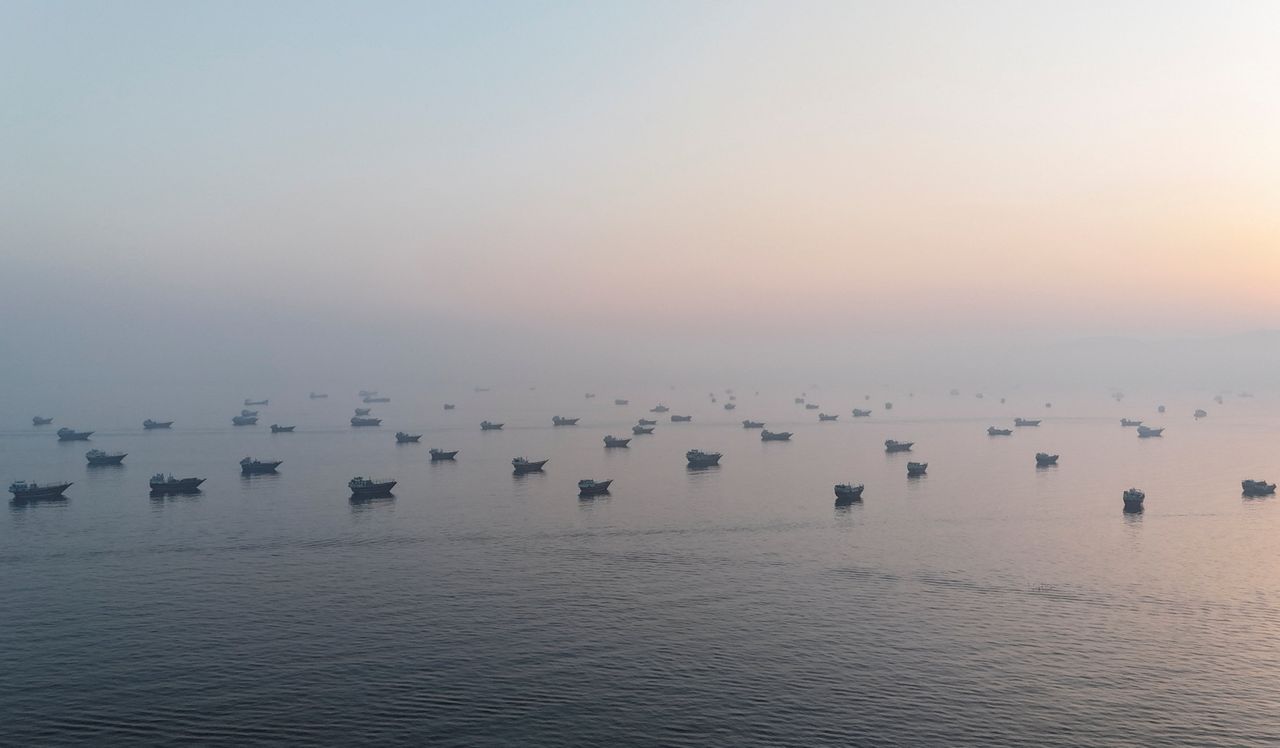
Qatar also welcomed the agreement reached on the Memorandum of Understanding between the US and Iran to address outstanding issues between them, including ensuring freedom of navigation in the Strait of Hormuz, and considers it an important step towards consolidating sustainable peace and promoting economic growth regionally and internationally.
Saudi Arabia
Saudi Arabia welcomed the agreement between the US and Iran to end military operations. The kingdom praised mediation efforts by Pakistan and Qatar, as well as the response of the United States and Iran to those efforts, which led to the agreement, the Saudi Foreign Ministry said in a statement.
Saudi Arabia stressed the importance of restoring security and navigation in the Strait of Hormuz to the level that existed before Feb. 28, and said it hopes peace will be achieved in a way that strengthens regional and global security.
China
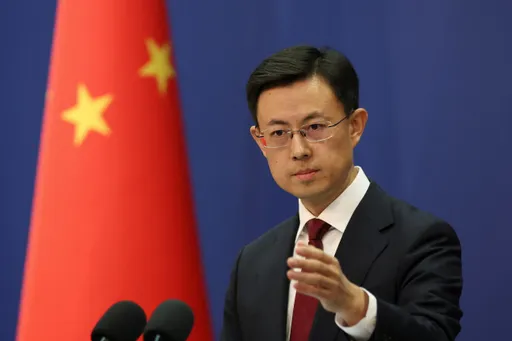
China welcomes the agreement to end the Middle East war, commending Pakistan for its mediation efforts.
"China welcomes the agreement reached between the United States and Iran... and expresses appreciation for the mediation efforts made by Pakistan," foreign ministry spokesperson Lin Jian told a news briefing, adding that Beijing hopes the deal will be signed as scheduled.
Japan
Japan's Prime Minister welcomed the US-Iran deal toward ending hostilities and hopes for steady implementation of the agreement, including the actual reopening of the Strait of Hormuz for international vessels, Prime Minister Sanae Takaichi said on Monday.
In an X post, Takaichi said Japan "strongly hopes" that "free and safe navigation through the Strait of Hormuz will be ensured in practice, and that a final agreement on Iran's nuclear issue and other matters will be reached as soon as possible."
European Union
The European Union welcomed the agreement, with senior officials offering the bloc's support for its implementation and calling it a potential step toward broader regional stability.
EU foreign policy chief Kaja Kallas described the agreement as a "potential breakthrough" that could create "much-needed space" for further negotiations on Iran's nuclear program and other outstanding issues.
"From economic leverage to nuclear expertise and longstanding relationships with Gulf partners, the EU stands ready to contribute to a sustainable resolution," Kallas wrote on the US social media platform X. She added that successful implementation of the agreement could also help ease the global energy crisis.

European Commission President Ursula von der Leyen likewise welcomed the deal, saying it could pave the way for wider negotiations on peace and security in the Middle East.
"The priority now is its swift and full implementation by all parties," von der Leyen wrote on X.
She said the agreement should allow for the immediate reopening of the Strait of Hormuz and the restoration of freedom of navigation. "This is essential for regional stability and the global economy," she added.
Von der Leyen also urged respect for Lebanon's sovereignty and territorial integrity, calling for a genuine ceasefire. "There can be no peace in the Middle East while Lebanon is in flames," she said.
Australia
"The Australian Government welcomes the agreement by the United States and Iran. Australia has long called for de-escalation and an end to the conflict, including in Lebanon.
As we have said, the longer this war goes on, the greater the impact will be. Continued restraint and constructive engagement will be essential to prevent further escalation and secure a lasting agreement." Australian Prime Minister Anthony Albanese said.
India
Welcoming the peace deal, India's Prime Minister Narendra Modi said on X that the conflict in the Middle East “has caused serious economic disruption across the world and led to loss of life in many countries.”
“India hopes that the implementation of this understanding will help restore peace and stability in the region and ensure the freedom of navigation and commerce,” Modi said.
Modi said New Delhi looks “forward to deliberations on the remaining issues reaching a sustainable final agreement.”
Spain
Spanish Prime Minister Pedro Sanchez on Monday said the newly announced peace agreement between the US and Iran could potentially bring an end to the "senselessness" and mark the beginning of a new era in the Middle East.
"We trust that the peace agreement announced today will serve to put an end to this senselessness, that it will be respected by all parties, and that it will thus mark the beginning of a new era in the Middle East," Sanchez said through the US social media company X.
"Let us celebrate. But let us not forget. And let us finally learn that war is a failure. Dialogue and diplomacy are the only path forward," Sanchez added.
UN
Joining growing international support, United Nations Secretary-General Antonio Guterres described the development as a positive step.
"I warmly congratulate the US & Iran for having reached a peace deal that provides for an immediate & permanent ceasefire, the reopening of the Strait of Hormuz, as well as a framework for further negotiations," Guterres said.
"This represents a critical step towards the peaceful settlement of the conflict."
New Zealand
New Zealand welcomed the announcement. "This pivotal, constructive deal is a step towards reducing tensions and promoting stability in a region that is critical to global economic security," Foreign Minister Winston Peters said in an official government statement.
He noted that disruptions to the Strait of Hormuz had significantly affected New Zealand's economy as well as its Pacific partners. "We welcome steps that will enable the safe reopening of this vital maritime route and restore confidence in key supply chains," he said.
Peters emphasised that diplomatic engagement remains the best path to resolving disputes. "Dialogue and diplomacy remain the most effective means of resolving longstanding issues," he said.
Bangladesh
Bangladesh's Foreign Ministry, in a statement, welcomed the finalisation of the peace agreement, hoping that the “agreement will be implemented in good faith and prove durable and sustainable.”
The Foreign Ministry reiterated that Bangladesh has consistently been calling for de-escalation and resolution of the conflict through dialogue and diplomacy and appreciates the efforts of all parties and facilitators that contributed to this positive development.
“Peace and stability in the Middle East are vital for regional and global peace, security and development,” it added.
Bangladesh also encouraged all parties to build on this momentum to address outstanding issues through dialogue and diplomacy.