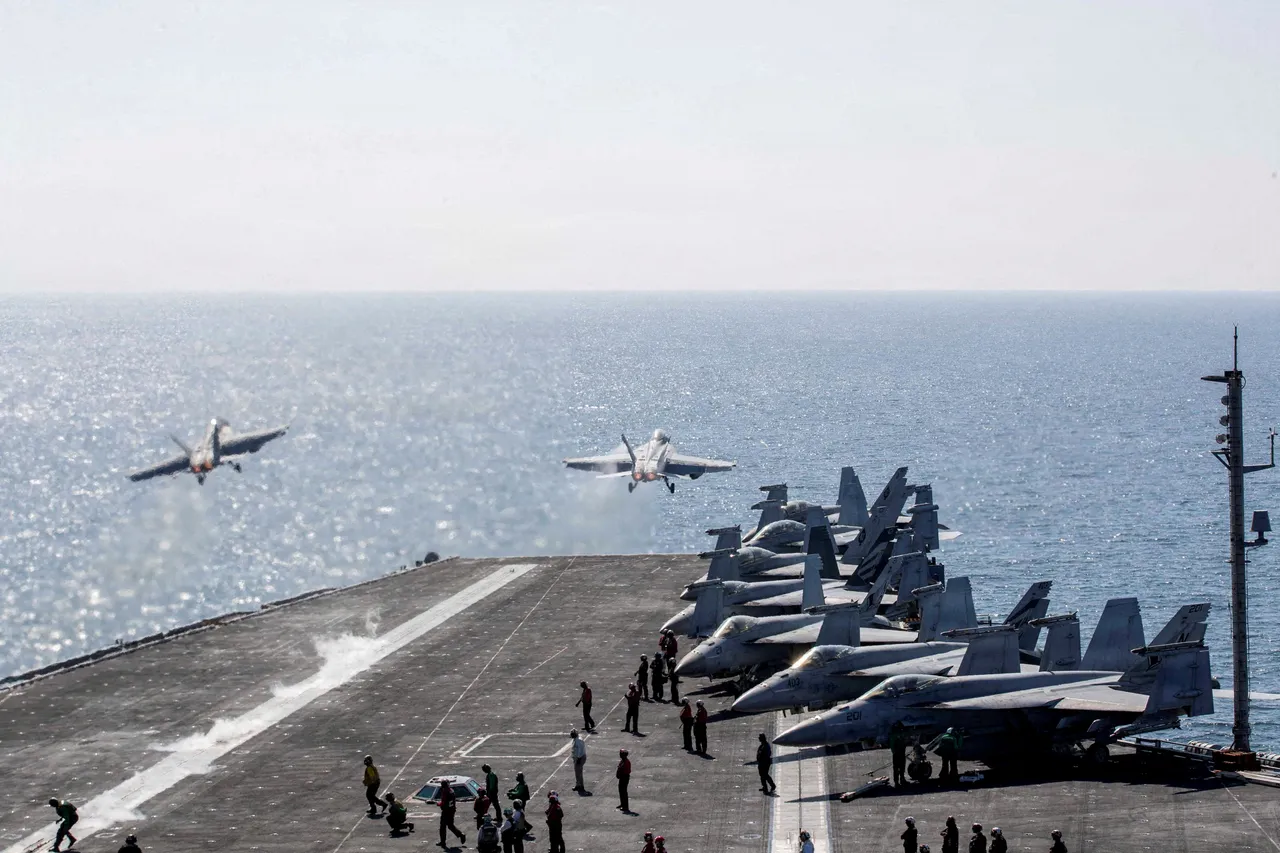
The United States' war on Iran has cost $29 billion so far, a senior Pentagon official has said, an increase of $4 billion from an estimate provided late last month.
With just six months before midterm elections in which President Donald Trump's Republicans may face an uphill battle to keep their House majority, Democrats are riding high in public opinion polls as they attempt to link the war with cost of living issues.
On April 29, the Pentagon said the war at that point had cost $25 billion.
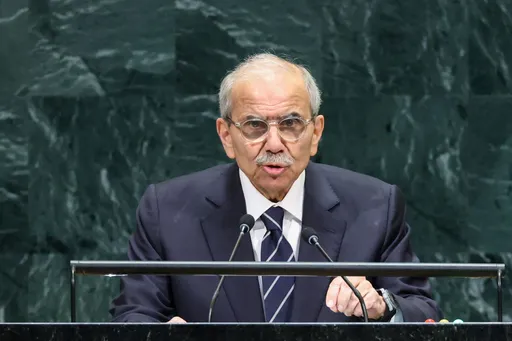
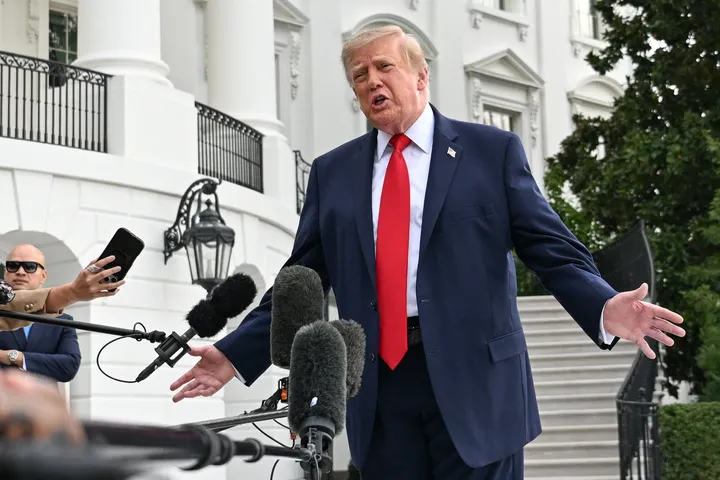
Jules Hurst, who is performing the duties of the comptroller, told lawmakers on Tuesday that the new cost included updated repair and replacement of equipment and operational costs.
"The joint staff team and the comptroller team are constantly looking at that estimate," Hurst said. He was speaking alongside Defense Secretary Pete Hegseth and Chairman of Joint Chiefs of Staff, General Dan Caine.
It is unclear how the Pentagon arrived at the $29 billion figure.
A source told Reuters news agency in March that Trump's administration estimated the first six days of the war had cost at least $11.3 billion.



Iran and Israeli losses in billions
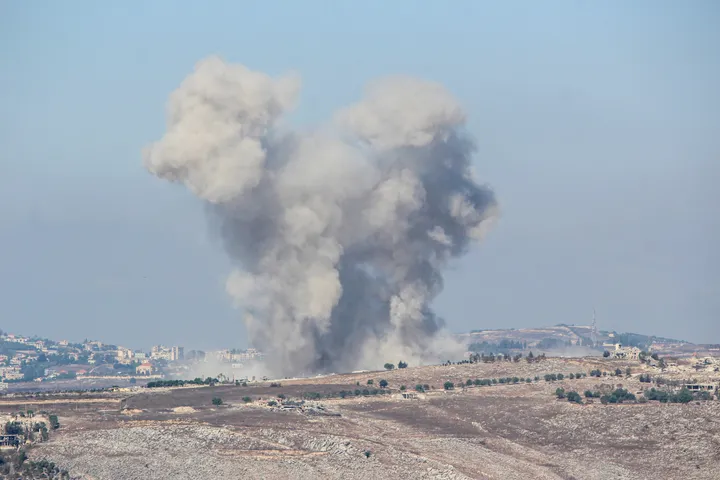
The Israeli Finance Ministry estimated the cost of 40 days of war on Iran and Lebanon at around $17.5 billion, the Israeli Channel 12 reported on last month.
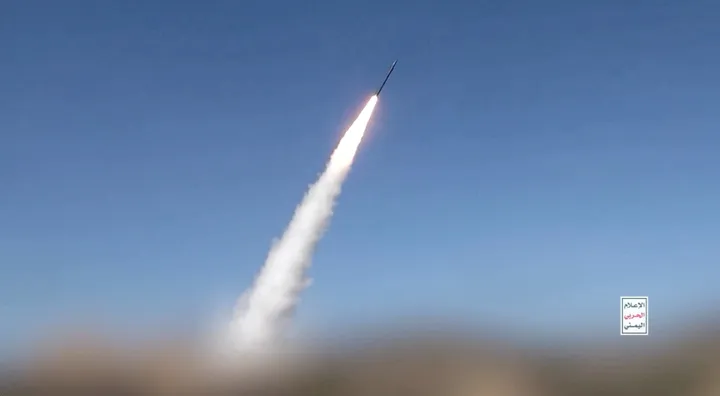
Iran, during the war, launched some 650 ballistic missiles at Israel, causing extensive damage and loss of life, according to Israeli media.
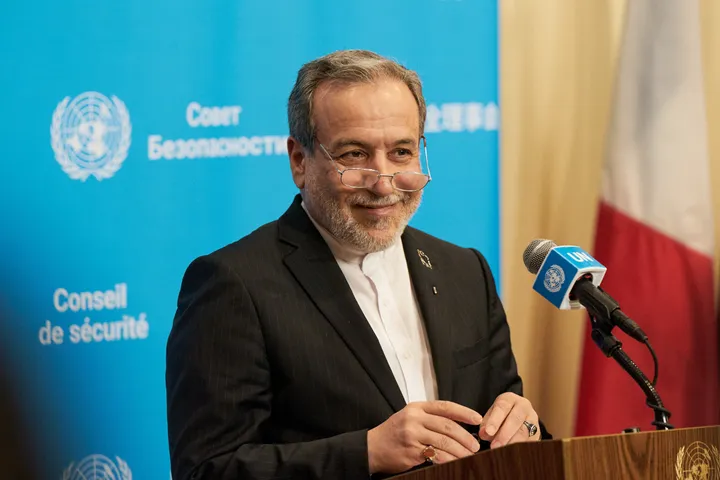
Iranian officials have estimated around $270 billion in direct and indirect damages in the war. This figure includes war damage to infrastructure and economic losses, and Tehran has demanded compensation in talks with the US.
The US joined Israel in attacking Iran on February 28, with strikes quickly killing the longtime supreme leader, Ali Khamenei, and much of the other top brass, including hundreds of civilians.
But Iran quickly hit back by exerting control over the Strait of Hormuz, the narrow passageway through which one-fifth of global oil once sailed, and it has rained missiles and drones on US-allied Gulf countries, shattering the oil-rich countries' hard-earned reputation for stability.
With a shaky ceasefire brokered by Pakistan since April 8 holding, the US president has angrily dismissed Iran's recent responses to a US proposal for a settlement, warning the truce is on its last legs.