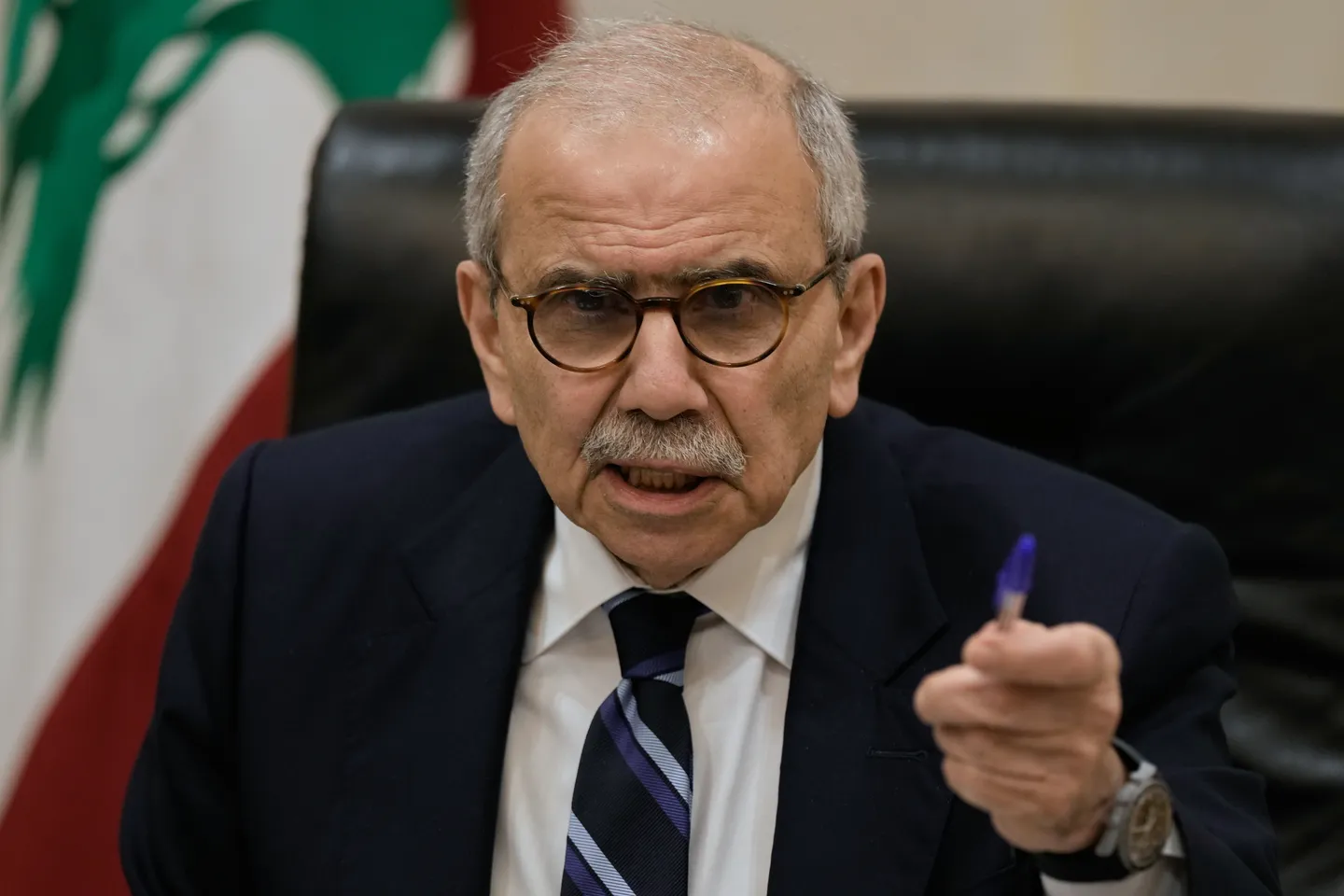
Beirut is working towards a "complete Israeli withdrawal" from areas it occupies, Lebanese Prime Minister Nawaf Salam said on Wednesday on a visit to a village where Lebanon's army recently deployed.
"We will continue mobilising our political and diplomatic efforts to secure a complete Israeli withdrawal from the south," he said in Zawtar al-Gharbiya, one of several "pilot zones" intended to demonstrate that the Lebanese army can remove and disarm Hezbollah as part of a Washington-sponsored deal with Israel.
The Lebanese military had begun deploying in the village on Tuesday. Israeli forces were previously present on its outskirts.
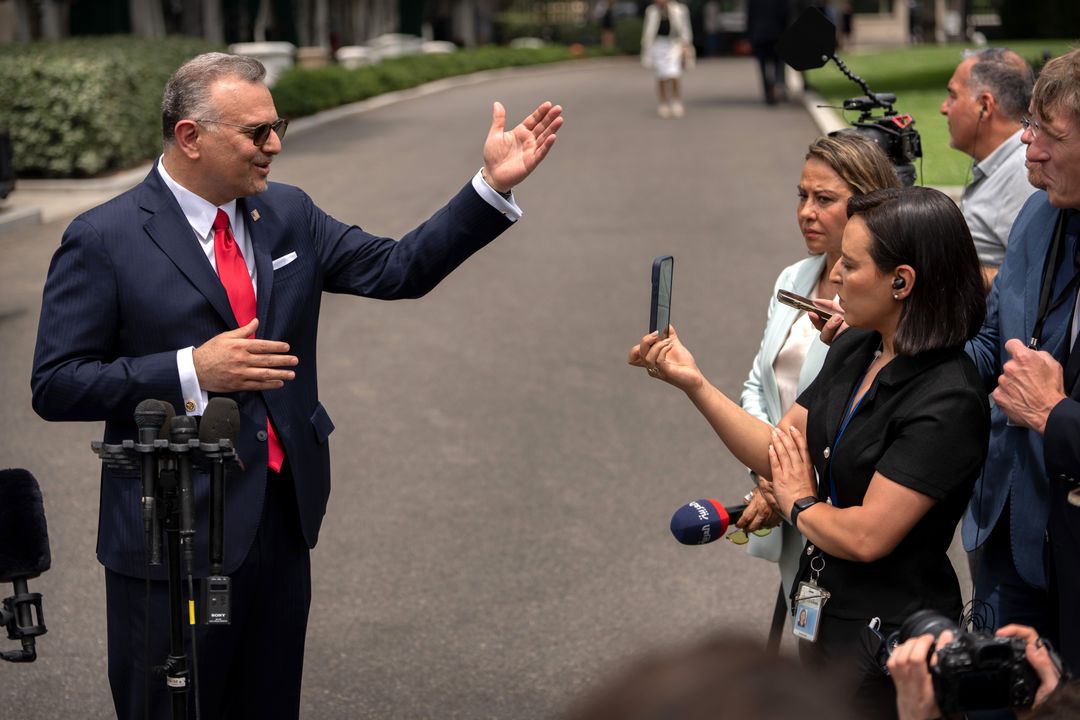
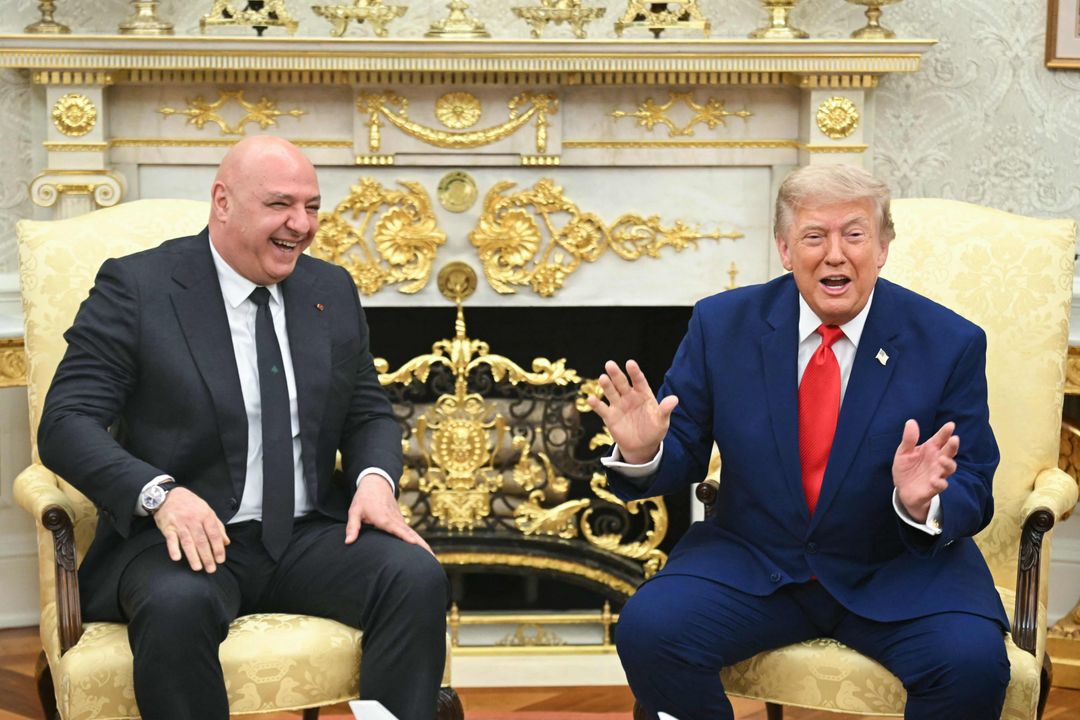
Salam made his statement a day after Lebanese President Joseph Aoun met with his US counterpart Donald Trump at the White House, where Aoun said he "stressed the urgent need for a full Israeli withdrawal from Lebanese territory".
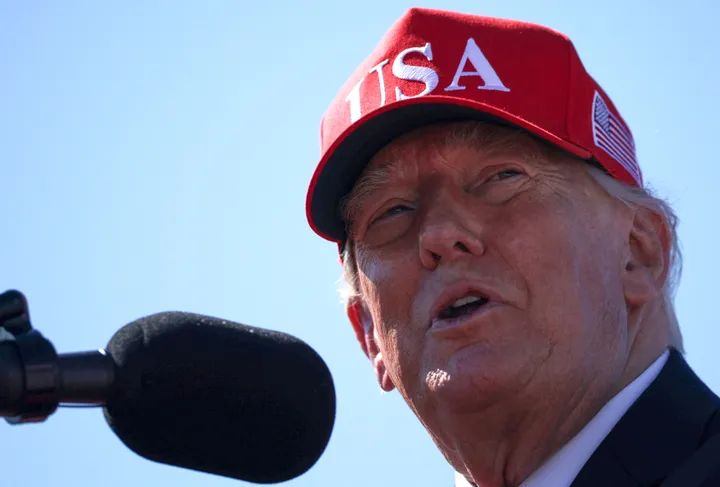
Asked whether there was a timeline for Israel's pullout, Trump avoided giving clarity, saying only that Israeli forces were "in the process" of redeploying to other sections, even as he pledged to help Lebanon “a lot”.
“It’s been a very badly treated place and country, and we’re going to have it properly treated and treated with the respect it deserves,” Trump told Aoun during the meeting which wrapped the Lebanese leader’s four-day visit to Washington.
“We’re gonna help it a lot,” he said of Lebanon, without giving concrete details.
‘Pilot zones’
Under an agreement signed last month, Lebanon's army is meant to disarm Hezbollah in the "pilot zones" it will operate in, banning military activity from any non-state group to pave the way for future Israeli withdrawals from other areas.
The group has repeatedly rejected the agreement and refuses to lay down its weapons.
However, the Lebanese military said on Tuesday that Israeli forces "opened fire in the vicinity of these units," adding that the incident would hinder the deployment.
The Israeli military said it had only fired "warning shots into the air" after Lebanese soldiers entered an area that was "not part of the pilot area".
Lebanon was drawn into the Middle East war on March 2, when Israel and the US started a war on Iran, killing its Supreme Leader Ali Khamenei, triggering Hezbollah to fire missiles on Israeli positions.
Since then, Israel has intensified its attacks on Lebanon and expanded its occupation in the country's south.
Preparing the area for residents coming home
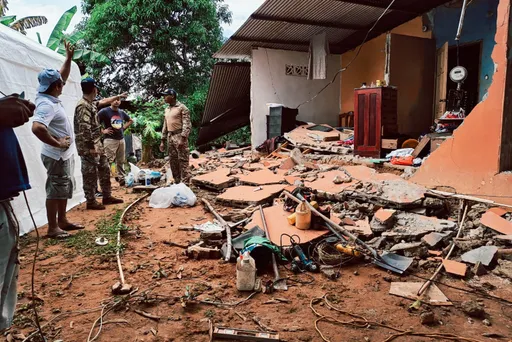
After planting a Lebanese flag in the village, Salam said that "in parallel with the army's deployment, we will continue opening roads, removing rubble, and securing essential services, enabling our people to return safely and with dignity to their homes and villages".
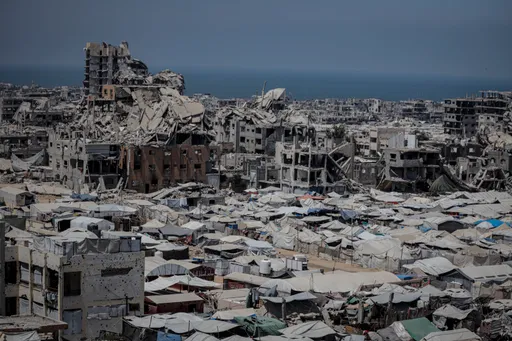
Israeli strikes on Lebanon have killed more than 4,300 people since March, according to the Lebanese authorities, while Israeli forces have demolished scores of buildings in the south.
The violence has dropped off sharply since the signing of a framework agreement between the United States and Iran last month and the Lebanon-Israel deal.
While more than a million people were displaced by the violence, more than 700,000 have returned to their homes over the past few weeks, according to the United Nations.