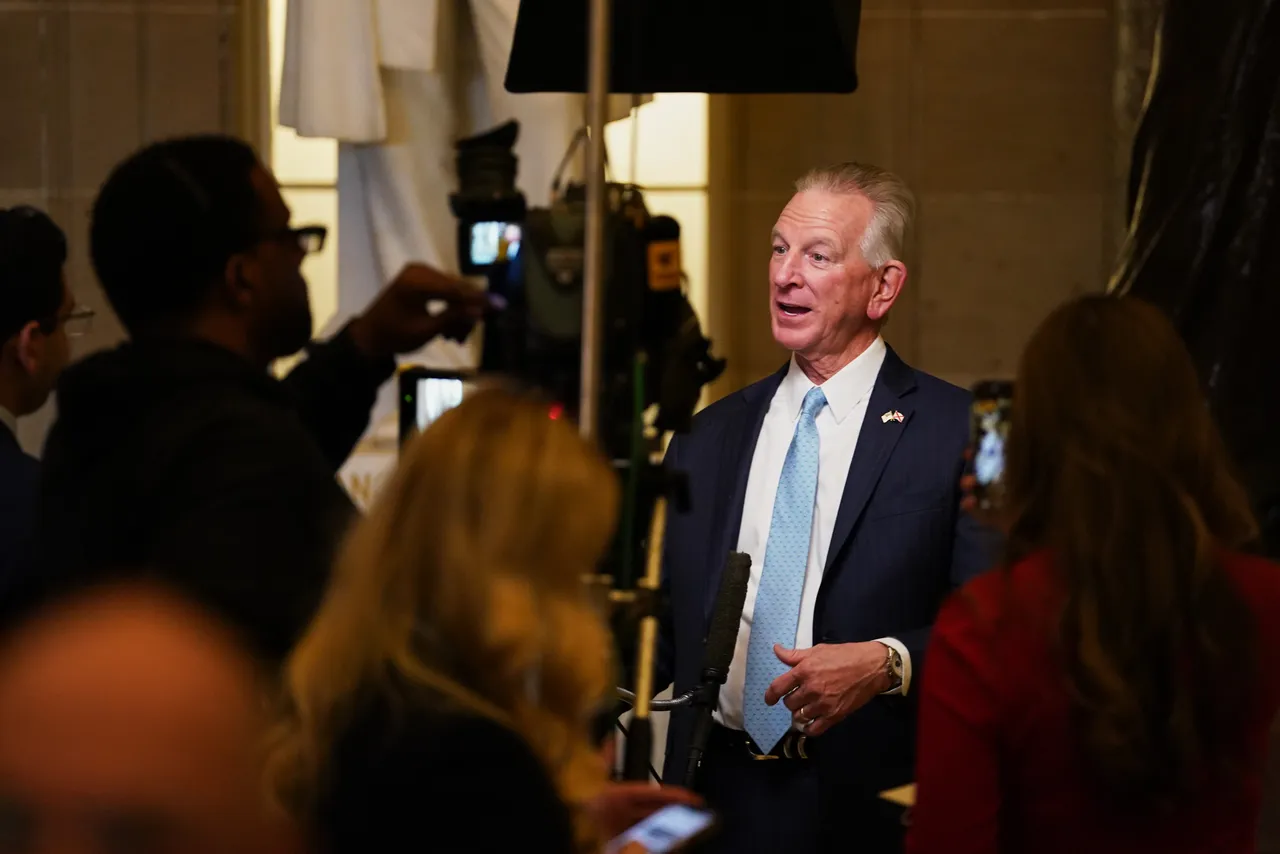
Washington, DC — Anti-Muslim posts by several Republican politicians have sparked uproar across the United States, drawing sharp pushback as tensions rise over Islamophobia in the US Congress and beyond.
In recent days, a wave of inflammatory social media messages from GOP lawmakers has intensified what critics describe as open and unchecked hostility towards Muslims.
The remarks have prompted swift rebukes from Democrats, advocacy groups, and some bipartisan voices. Republican leadership has remained largely silent, declining to condemn the statements or pursue disciplinary action.
Democrats have responded with House Minority Leader Hakeem Jeffries describing the rhetoric as coming from “malignant clowns” unfit for Congress and calling for formal censures.
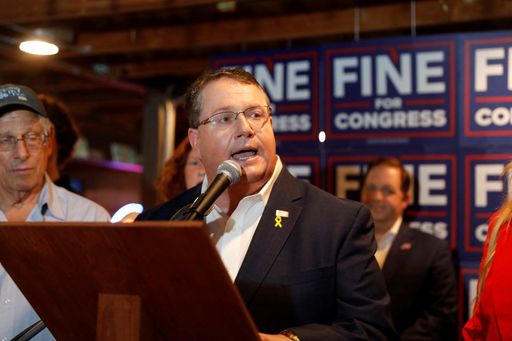
Representative Josh Gottheimer confronted Republican lawmaker Randy Fine after his call for “more Islamophobia”, posting in outrage: “W** is wrong with you? After a day like today, we need unity, not more hatred and division.”
Representative Mark Pocan joined the criticism, warning that such rhetoric undermines the country’s core values of tolerance and inclusion.
Senate Minority Leader Chuck Schumer also condemned the Islamophobic posts, describing them as “mindless hate” and “fundamentally un-American”, while singling out comments by Senator Tommy Tuberville.
Schumer stressed that Muslim Americans are woven into communities across the country, serving as police officers, doctors, teachers, neighbours and friends. Islamophobic attacks, he said, must be confronted directly to protect the nation’s pluralistic fabric.
At the centre of the controversy is Florida Republican Randy Fine. On Thursday, he escalated the rhetoric dramatically, writing on X: “We need more Islamophobia, not less. Fear of Islam is rational.”
He doubled down on a separate post that went viral last month in which he wrote that if forced to choose, “the choice between dogs and Muslims is not a difficult one.”
Fine, a Jewish Republican lawmaker from Florida, has also advocated deporting American Muslims and has repeatedly targeted New York City Mayor Zohran Mamdani, the city’s first Muslim mayor, suggesting he should be removed from the country.
His comments have triggered calls for censure from advocacy groups, including CAIR.
The organisation pointed to what it described as a long record of anti-Muslim statements, including previous calls for extreme actions against Muslims and Palestinians.
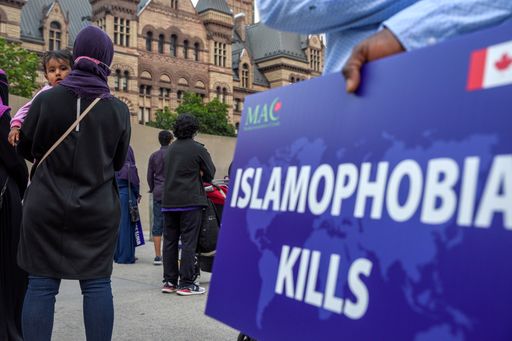
Islamophobic rhetoric
Tennessee Representative Andy Ogles has also fuelled the controversy. In one post, he declared that “Muslims don’t belong in American society. Pluralism is a lie.”
Ogles has circulated anti-Islam graphics and online material. He has repeatedly pushed for a renewed Muslim immigration ban, insisting that America and Islam are “incompatible” and that Muslims belong elsewhere.
His district includes one of the largest Muslim populations in the American South. Residents and community leaders say the comments are especially jarring given the long record of civic and economic contributions by Muslim Americans in the area.
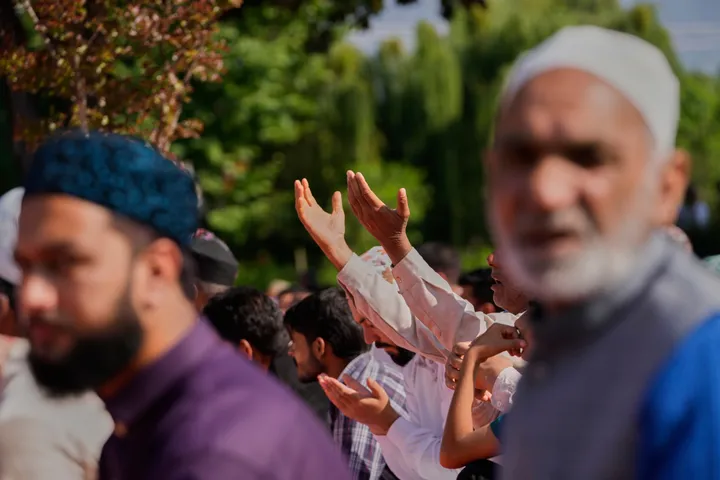



Alabama Senator Tommy Tuberville has added to the backlash by reposting two images side by side. One showed the September 11, 2001, attacks.
The other depicted Mayor Mamdani hosting a Ramadan iftar at City Hall, where he sat on the floor breaking the fast with New Yorkers.
Tuberville captioned the images with a blunt message: “The enemy is inside the gates.”
He has previously described Islam as a “cult”, demanded that Muslims be “sent home”, and supported initiatives such as the Sharia Free America Caucus, which warns of what he calls radical Islam’s infiltration.
His office has defended the remarks, arguing that criticism of Islam does not amount to Islamophobia.
Online hate campaign
The attacks have been particularly harsh toward Mamdani’s public iftar gatherings during Ramadan. These events, where Muslims break the daily fast after sunset, are often held openly with residents and community leaders at City Hall and other public venues.
Some Republican lawmakers, like Representative Brandon Gill from Texas, have mocked the gatherings. In several cases, critics circulated images of the events alongside photos from the September 11 attacks in an apparent attempt to imply links to terrorism.
Mamdani has faced repeated online abuse tied directly to his Muslim faith.
Civil rights groups say the attacks reflect a broader pattern in which routine Muslim American practices are framed as security threats.
Muslim civil rights organisations, including CAIR, have called for formal censures and resignations from the lawmakers involved.
They argue that the failure to confront such rhetoric sets a dangerous precedent when elected officials promote hostility towards a religious minority without consequence.
Advocates have also highlighted the silence from Republican leadership. House Speaker Mike Johnson and senior Senate Republicans have not issued public rebukes of the comments.
As the backlash grows, Mamdani responded with a measured message that seeks to shift the focus away from religious division.
“Let there be as much outrage from politicians in Washington when kids go hungry as there is when I break bread with New Yorkers.”