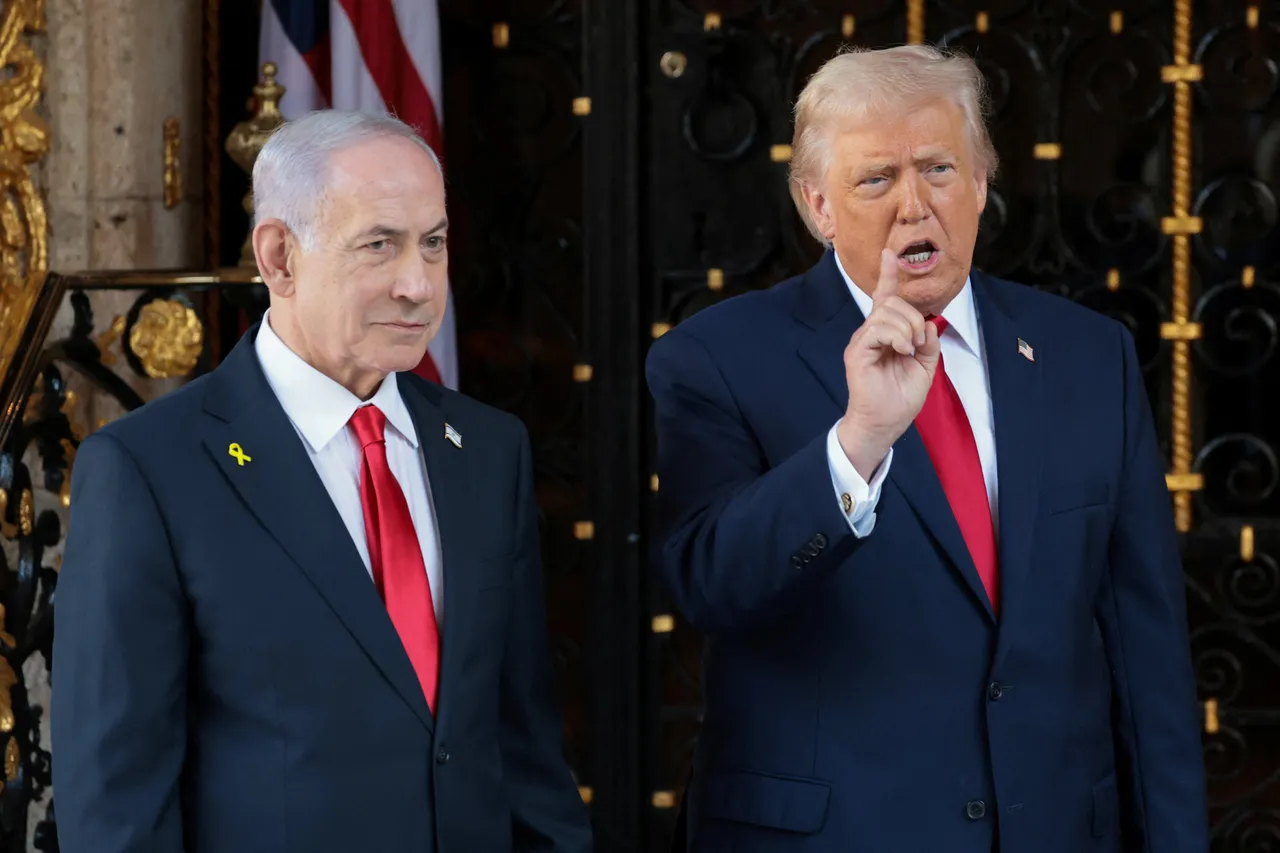
US President Donald Trump has said it is highly likely he will support Israeli Prime Minister Benjamin Netanyahu in the October elections, while urging Netanyahu to take more rational actions and waiting to see other candidates.
"I'll have to look at who's running, but I like Bibi (Netanyahu) very much. I would be most likely to endorse him," Trump told Israeli broadcaster KAN News.
"But I need to see who is running. I have a good relationship with Bibi, but he needs to be more rational. I am willing to meet with him. He's doing a very good job; he's got to be a little bit more rational."
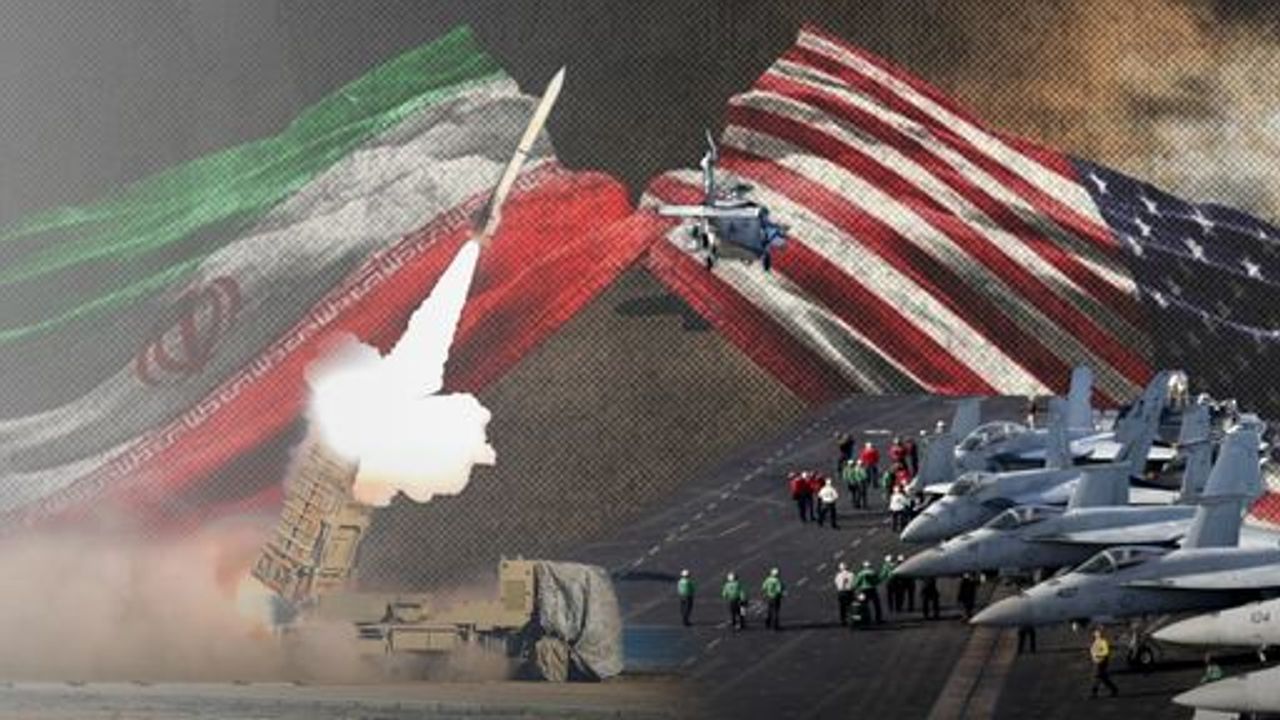
His remarks follow US-Israel tensions over Trump's Iran peace deal, which defers nuclear talks while offering sanctions relief — a decision Israeli officials criticise as a significant concession and Netanyahu’s extremist ministers describe as a betrayal.
Netanyahu's Likud leads polls but lacks a majority, as Israeli troops occupy parts of Lebanon, besieged Gaza, and Syria despite US-Iran terms, highlighting strains in the US-Israeli alliance.
Trump has slammed Netanyahu's handling of Lebanon invasion, particularly urging more restraint and "responsibility."
At a press conference wrapping up the G7 summit in France, Trump publicly rebuked Netanyahu's approach, saying, "We have a little dispute over Lebanon. I say, 'You can do a little softer touch, Bibi. You don't have to knock down a building every time somebody walks into it that’s from Hezbollah.'"
Netanyahu "gets a little excited sometimes," said Trump, adding, "I’m not saying they shouldn’t protect themselves. I’m saying when two drones are shot into the desert and drop harmlessly, you don’t have to knock down buildings in Beirut. They could behave better, and frankly, they could do a better job."
He added that he feels "very bad for Lebanon” and that Israel “could do a much better job with Hezbollah," stating, "I don’t think they’re doing well, and I feel very bad for Lebanon."
In a tense private call over Israel’s invasion in Lebanon, which threatened US-Iran negotiations, Trump reportedly lashed out strongly, calling Netanyahu "f_____ crazy" and even using strong language like "What the f___ are you doing?"
Trump even accused Netanyahu of ingratitude, reportedly telling the Israeli leader: "You’d be in prison if it weren’t for me. I’m saving your ass. Everybody hates you now. Everybody hates Israel because of this."



Vance slams Israeli extremist officials
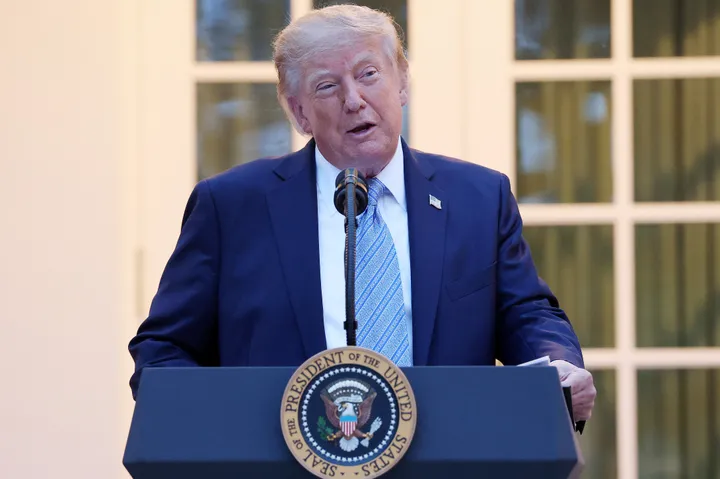
On Thursday, during a White House media briefing, US Vice President JD Vance issued an extraordinary rebuke to Israeli critics of the Iran deal, warning them not to alienate their "only powerful ally" left in the world.
He told extremist members of Netanyahu's cabinet to "wake up and smell the reality," amid growing tensions between Netanyahu and Trump.
"If I was in the cabinet of the Israeli government, I might not be attacking the only powerful ally that I have anywhere left in the entire world," Vance told the briefing.
Meanwhile, Netanyahu underscored the importance of maintaining close ties with the US on Thursday, saying Washington had stood by Israel during the war with Iran.
"The struggle is not yet over, and further challenges lie ahead. They require calm judgement, steadfast defence of Israel's security interests, and at the same time the preservation of our vital relationship with our American friends, who stood shoulder to shoulder with us in this fight -- a partnership we deeply appreciate," Netanyahu said at a function, according to a statement issued by his office.
Netanyahu has still not commented directly on the deal, though some of his coalition members dismissed it even before the text's details were released on Wednesday.
The deal's terms call for "an immediate and permanent termination of military operations on all fronts, including in Lebanon".
Netanyahu reiterated that Israeli troops would continue to occupy southern Lebanon.
"We will restore security and prosperity to the communities of northern Israel," he said.
"That requires maintaining the security zone in southern Lebanon, and it requires that we not withdraw from it for as long as Israel's security needs demand it."