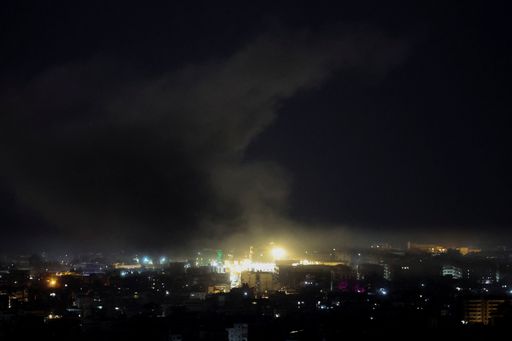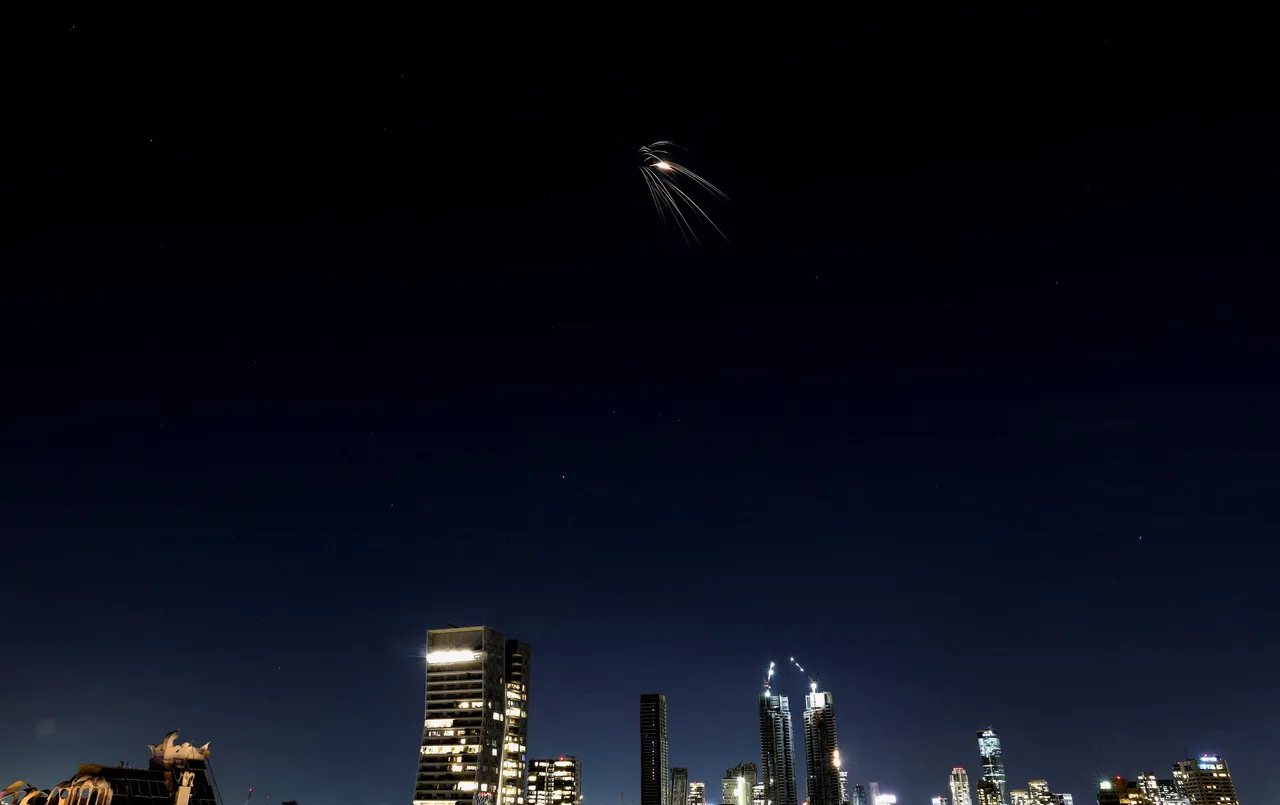
Iran launched a fresh wave of missiles across the Middle East on Wednesday, targeting Israel and bases hosting US military and financial assets in Kuwait, Jordan and Bahrain, despite signals from US President Donald Trump that he was keen to pursue talks with Tehran—moves that had briefly steadied global markets.
Iran’s Revolutionary Guard Corps (IRGC) said the attacks were part of ongoing retaliation against US-Israeli strikes, accusing regional countries of facilitating operations against Iranian territory.
In Kuwait, a drone strike hit a fuel tank at Kuwait International Airport, sparking a fire and causing limited damage, authorities said.
Bahrain activated air raid sirens, while in Jordan, falling shrapnel near Amman caused alarm but no casualties.
Saudi Arabia said it intercepted at least four drones in its eastern region.

Region-wide escalation
Israel said it was launching fresh strikes on Iranian “infrastructure” after detecting new missile fire, as the tit-for-tat attacks intensify.
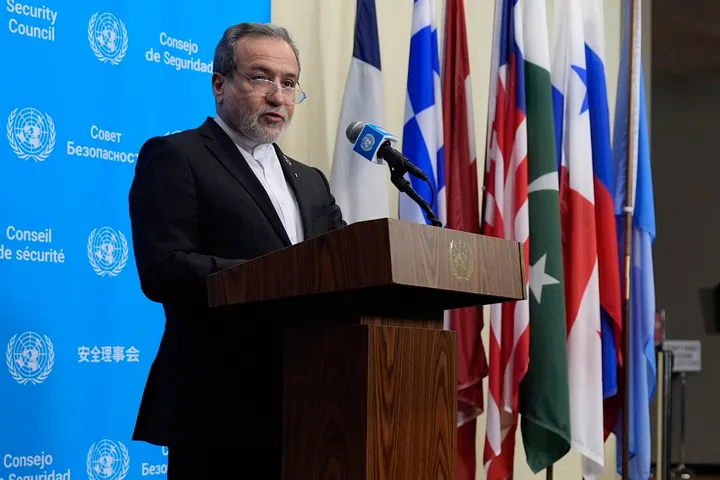
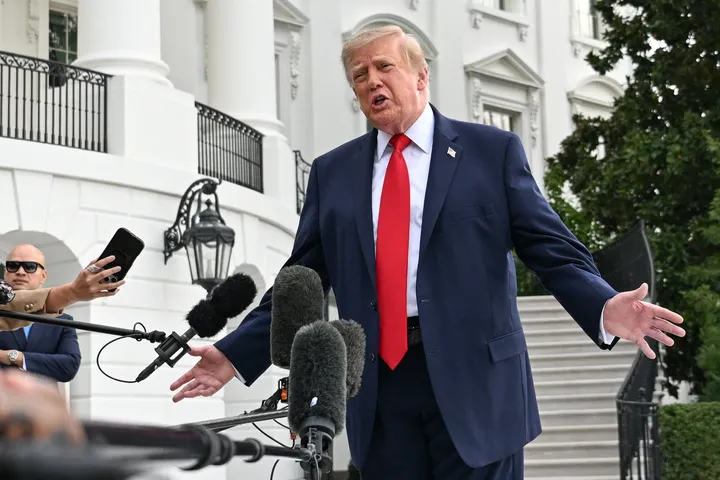
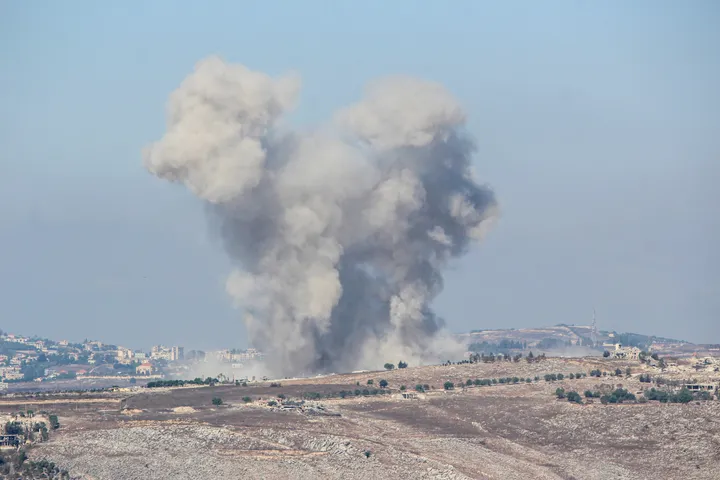
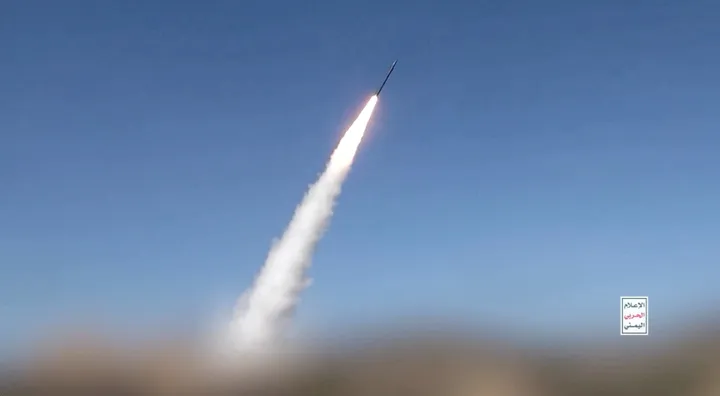

Iran also accused Israel of striking the Bushehr Nuclear Power Plant, raising concerns over the safety of civilian nuclear facilities.
“The sounds, the explosions, the missiles — they are part of our daily life now,” a resident in Tehran said, reflecting growing fear among civilians.
War spreads across borders
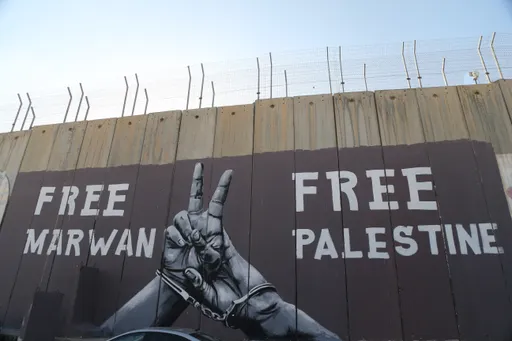
The conflict has expanded beyond Iran and Israel, drawing in Lebanon, where Israeli strikes continue and Hezbollah has stepped up cross-border attacks.
It is also pulling in Iraq, where authorities said they would summon both US and Iranian diplomats after deadly strikes, while granting armed groups the right to respond.
What began as a direct confrontation is now rapidly evolving into a multi-front regional war with growing risks for civilians, infrastructure and global stability.