Italy has confirmed that it is considering replacing the suspension of Schengen free-movement rules along its border with Slovenia with alternative security arrangements once the current extension expires, Foreign Minister Antonio Tajani announced.
"Italy is considering positively the possibility of replacing, at the end of the extension, the suspension of Schengen" at the Italy-Slovenia frontier "with alternative, agreed-upon measures that guarantee security and combat irregular immigration," Tajani said following discussions with his Slovenian counterpart Tone Kajzer, according to the ANSA news agency.
Tajani outlined plans for enhanced bilateral cooperation, proposing joint police patrols modelled on the existing operational framework along the Italy-France border, adding: "I have already discussed this with [Italian Interior Minister Matteo] Piantedosi."
Diplomatic rift with Spain
The current extension of border checks along the Slovenian frontier is scheduled to expire on December 18.
Kajzer welcomed the initiative, describing the frontier between the two neighbouring nations as "a space for cooperation and new opportunities."
Tajani stressed that Italy's border controls do not target any specific nation, stating: "It's not an attitude against anyone, it's not a political position."







The prospect of easing checks with Slovenia comes despite Rome simultaneously tightening border oversight elsewhere.
Earlier on Tuesday, Italy extended temporary checks on travellers arriving from Spain, citing broader security assessments and the risk of terrorist infiltration.
The move prompted sharp condemnation from Madrid.
Spanish Foreign Minister Jose Manuel Albares described the Italian restrictions as "absurd, useless and a disgrace."
Tajani defended the decision, maintaining that current security dynamics require authorities to guarantee the protection of national borders.
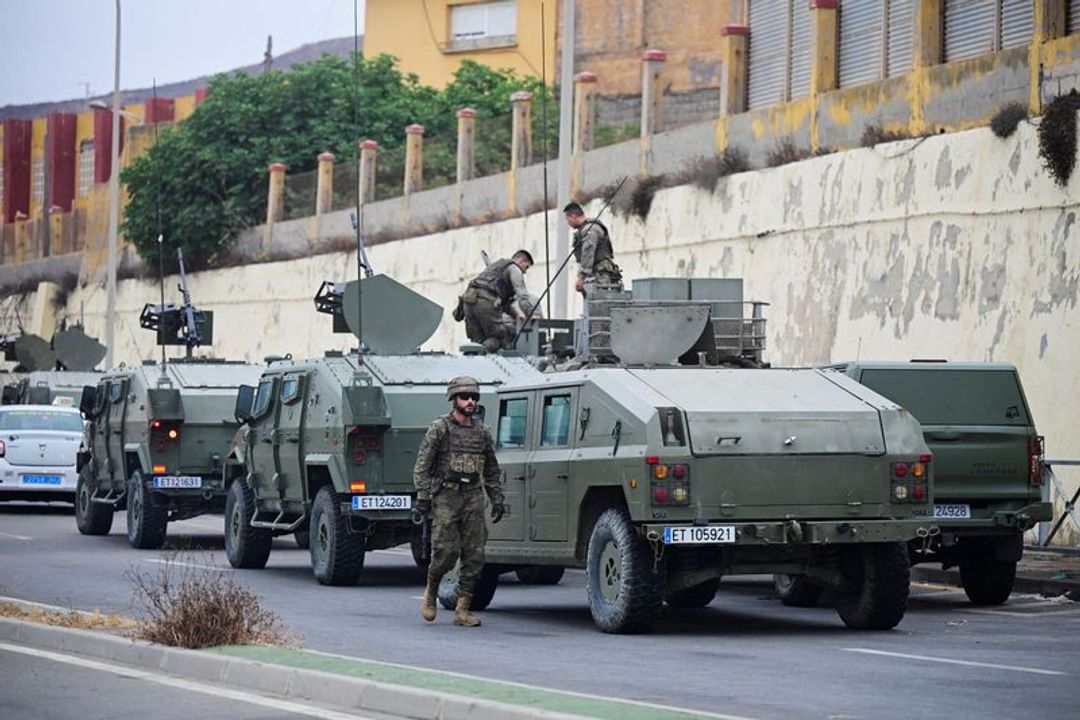
The measures follow mass border crossings between July 30 and 31, when tens of thousands of migrants crossed from Morocco into the Spanish North African enclave of Ceuta, according to Spanish official estimates.