As fighting intensifies between Israel and Iran, the US State Department has directed American embassies worldwide to clarify that Washington is not involved in Israel’s recent unprovoked military actions against Iran.
Embassies and consular posts were instructed to inform host governments—"at their discretion"—that the US "is not involved in Israel's unilateral action against targets in Iran and did not provide tanker support," CBS News reported on Sunday, citing a diplomatic cable.
The internal communication, known as an ALDAC (All Diplomatic and Consular Posts) cable, also reaffirmed that the US "remains committed to a diplomatic resolution to the Iran nuclear issue."
It warned that "no government, proxy or independent actor should target American citizens, bases, or infrastructure," and stated: "Iran cannot have a nuclear weapon."
US ‘must take responsibility’
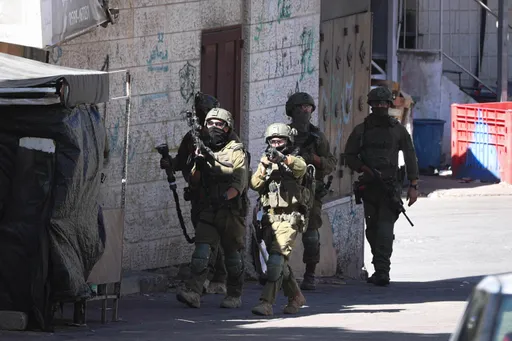
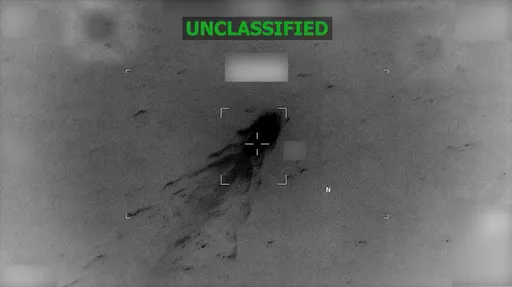
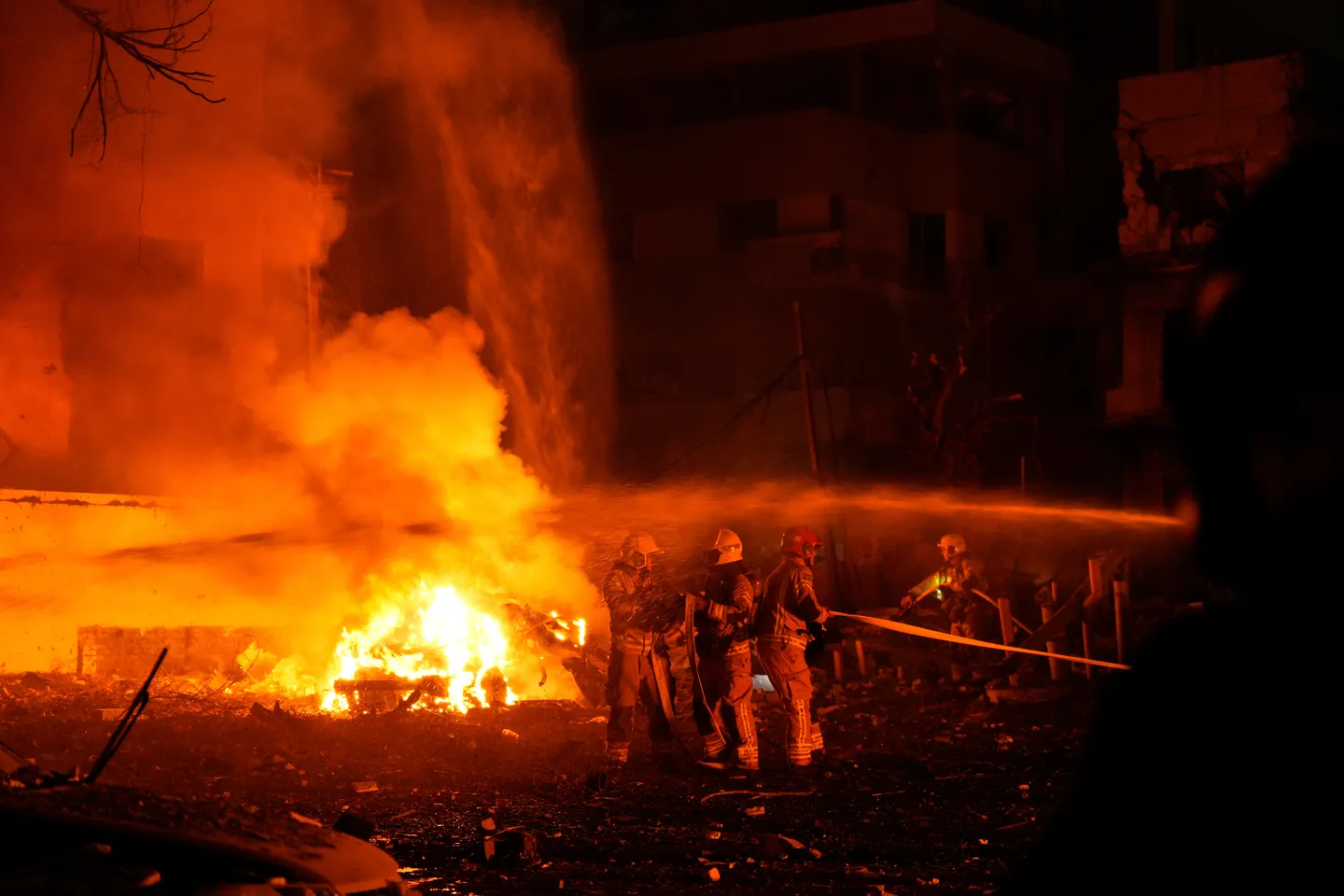
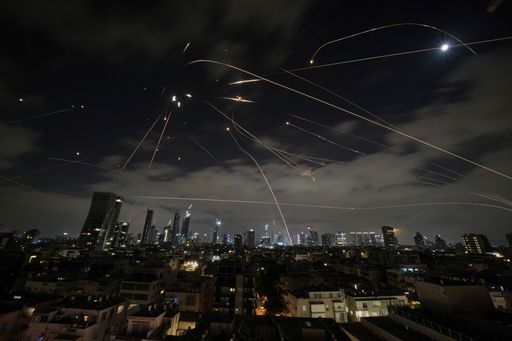
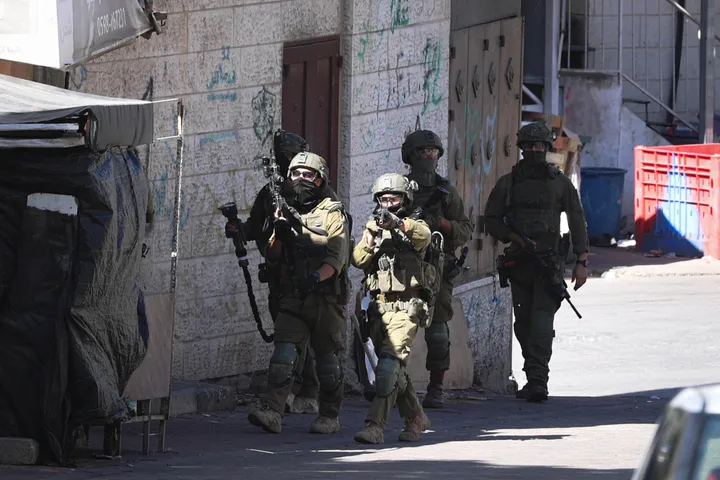
The latest escalation follows Israeli strikes on Friday on Iran, including nuclear and missile facilities, that killed military commanders and scientists, prompting Tehran to retaliate with ballistic missiles.
In response, Iranian Foreign Minister Abbas Araghchi accused Washington of complicity, claiming the US "is a partner in these attacks and must take responsibility."



The US, however, maintains its defensive posture. The cable claimed the military is operating "to protect US personnel, forces, and infrastructure in the region and to minimise casualties, particularly amid the persistent threat posed by Iranian ballistic missiles."
In a Sunday press briefing before departing for the G7 summit in Canada, President Donald Trump struck a contradictory tone: "I think it's time for a deal, and we'll see what happens."
Yet he reaffirmed US support for Israel’s defence and issued a stark warning via social media: "If US interests are attacked by Iran, the full strength and might of the US Armed Forces will come down on you at levels never seen before."
Meanwhile, US embassies in Tel Aviv and Jerusalem remain closed, and American personnel continue to shelter in place under Israeli civil defence guidance.
Nuclear talks between the US and Iran planned for Sunday in Oman, have been abruptly cancelled. According to sources, Iran refused to engage "while under attack."